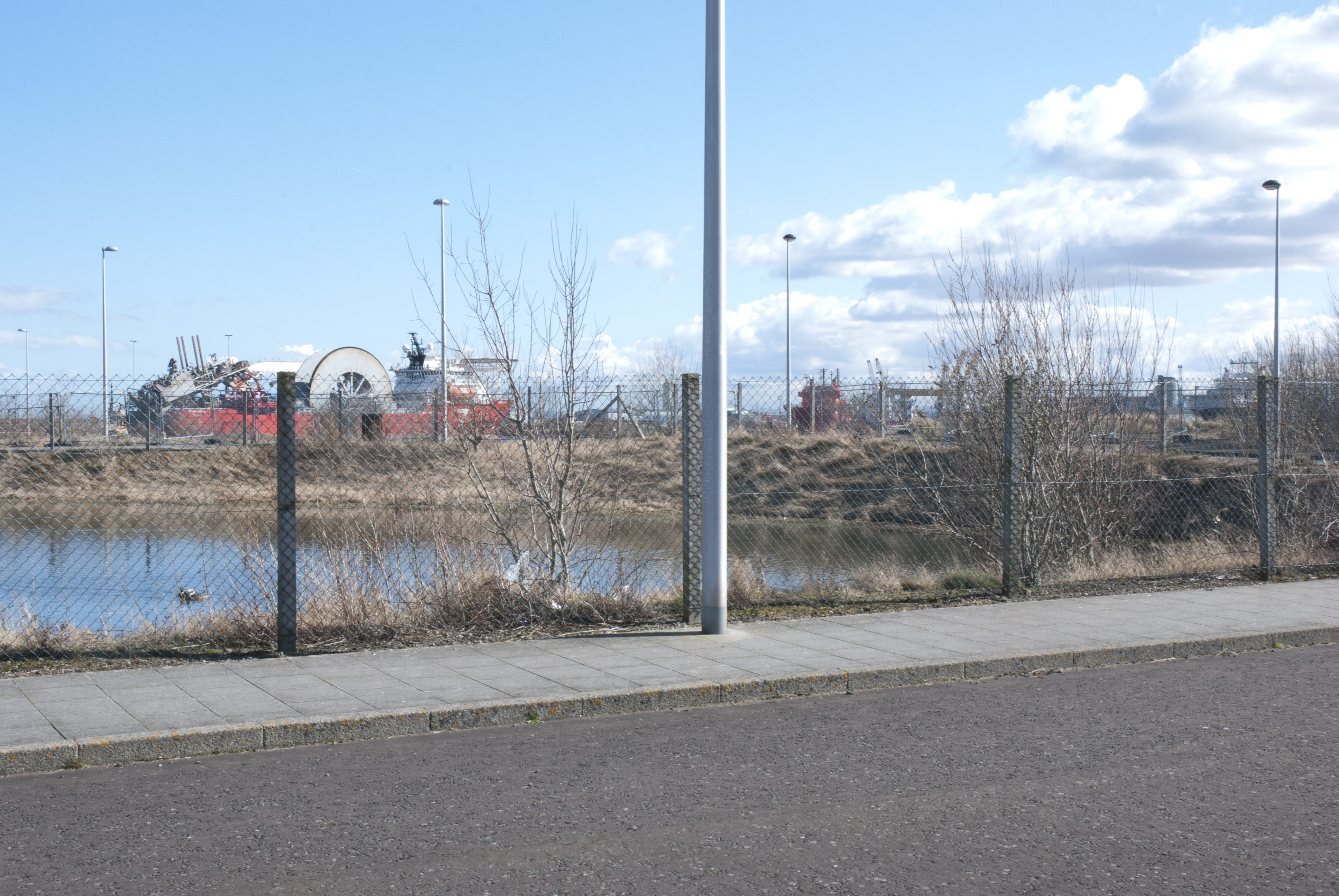
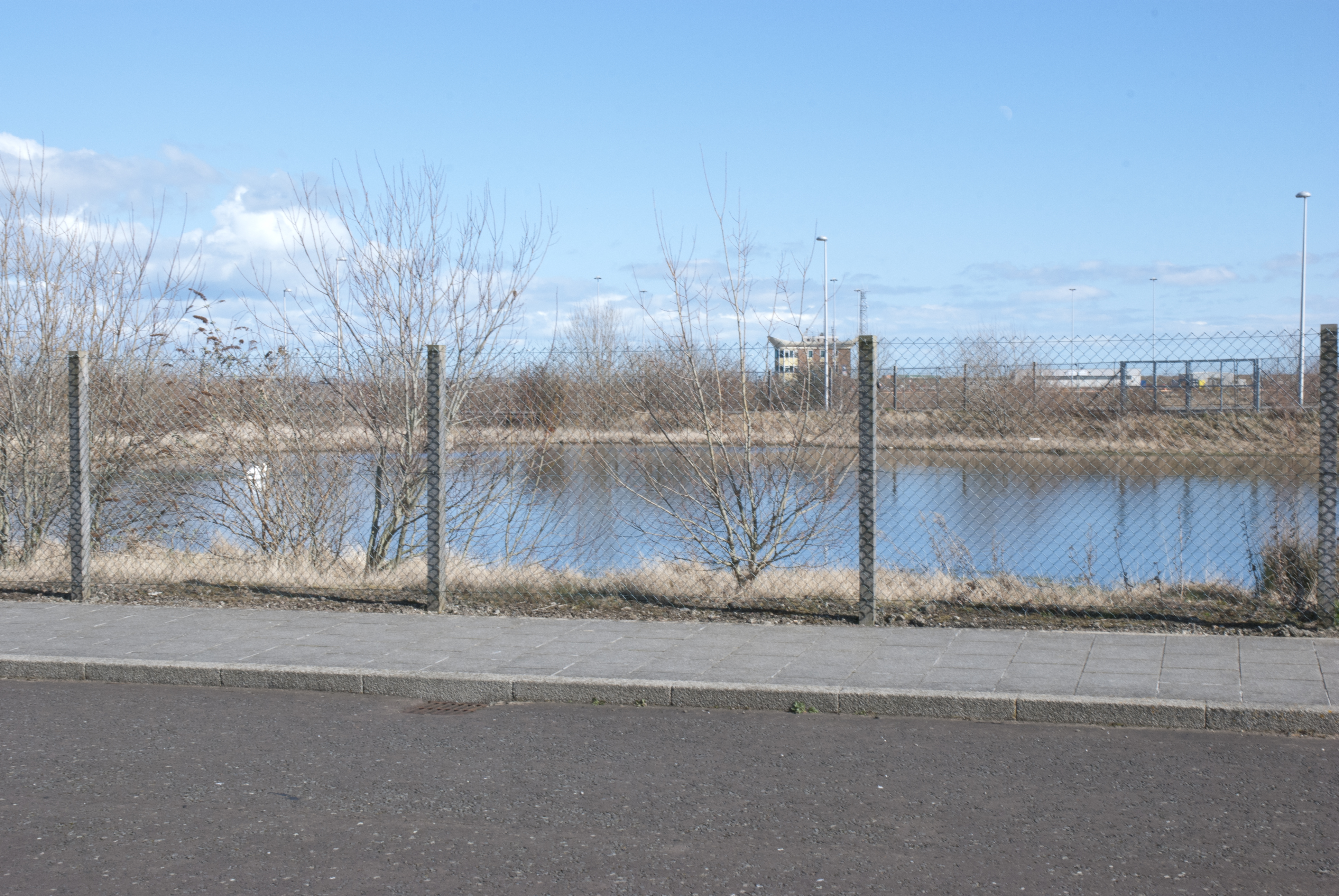
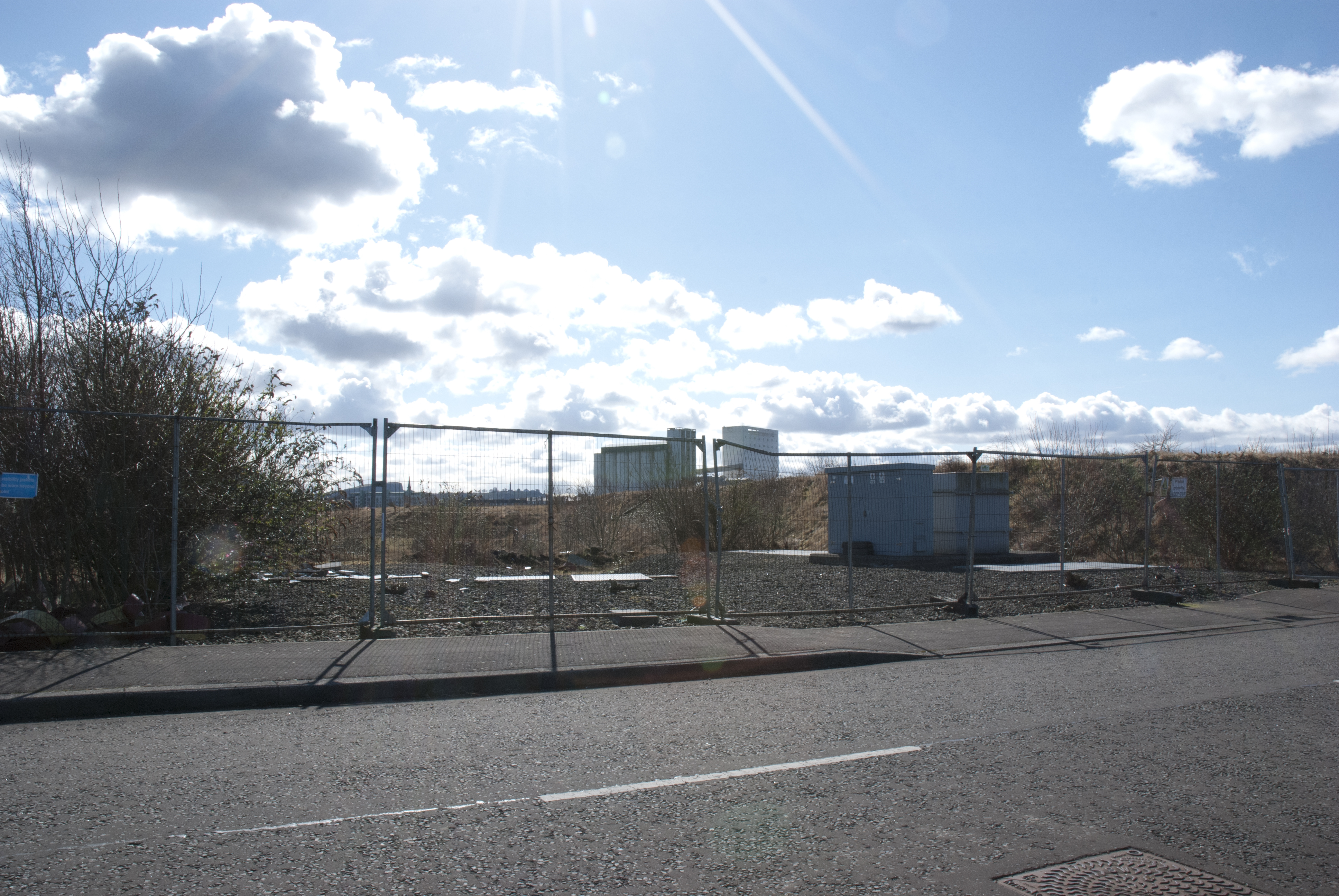
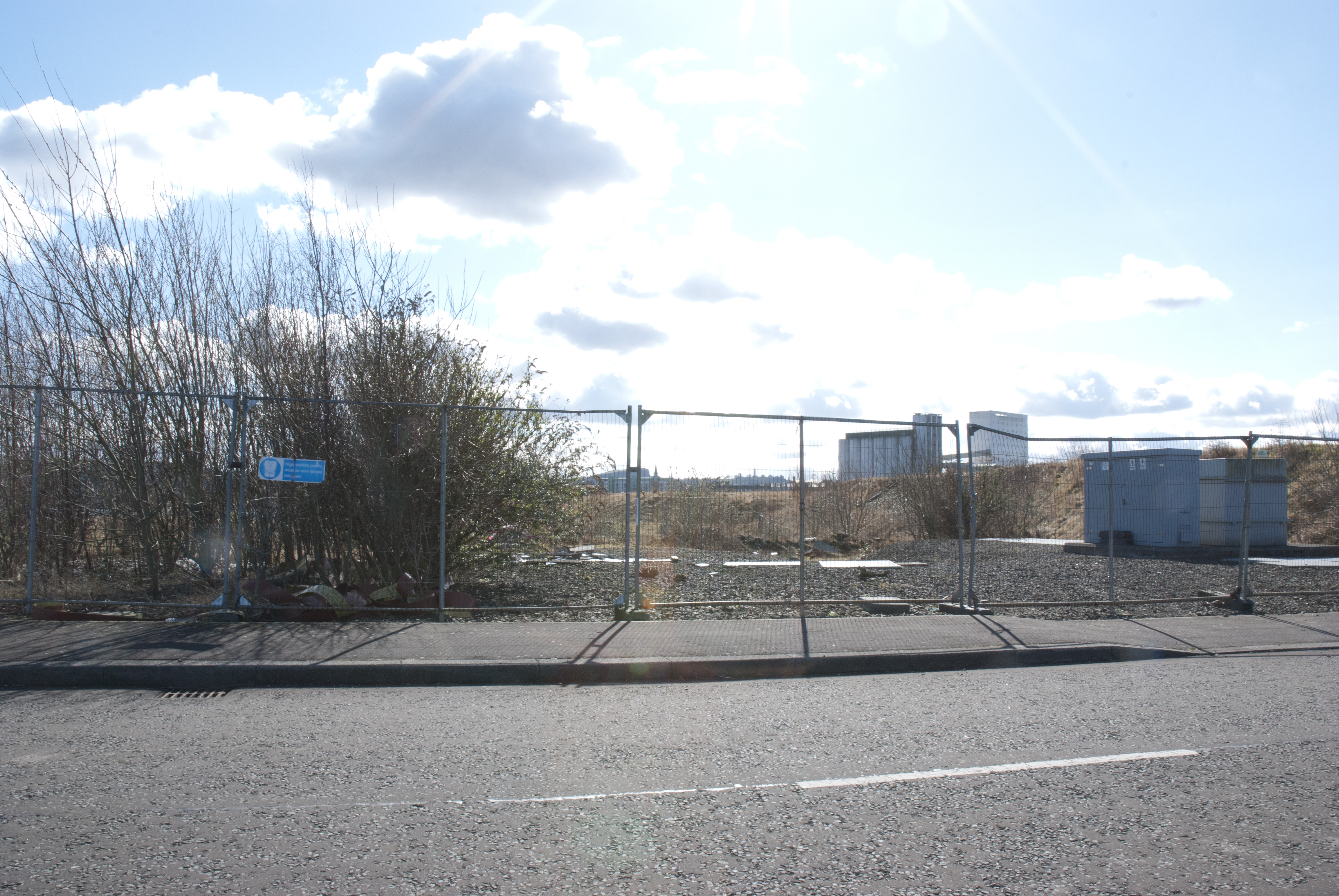
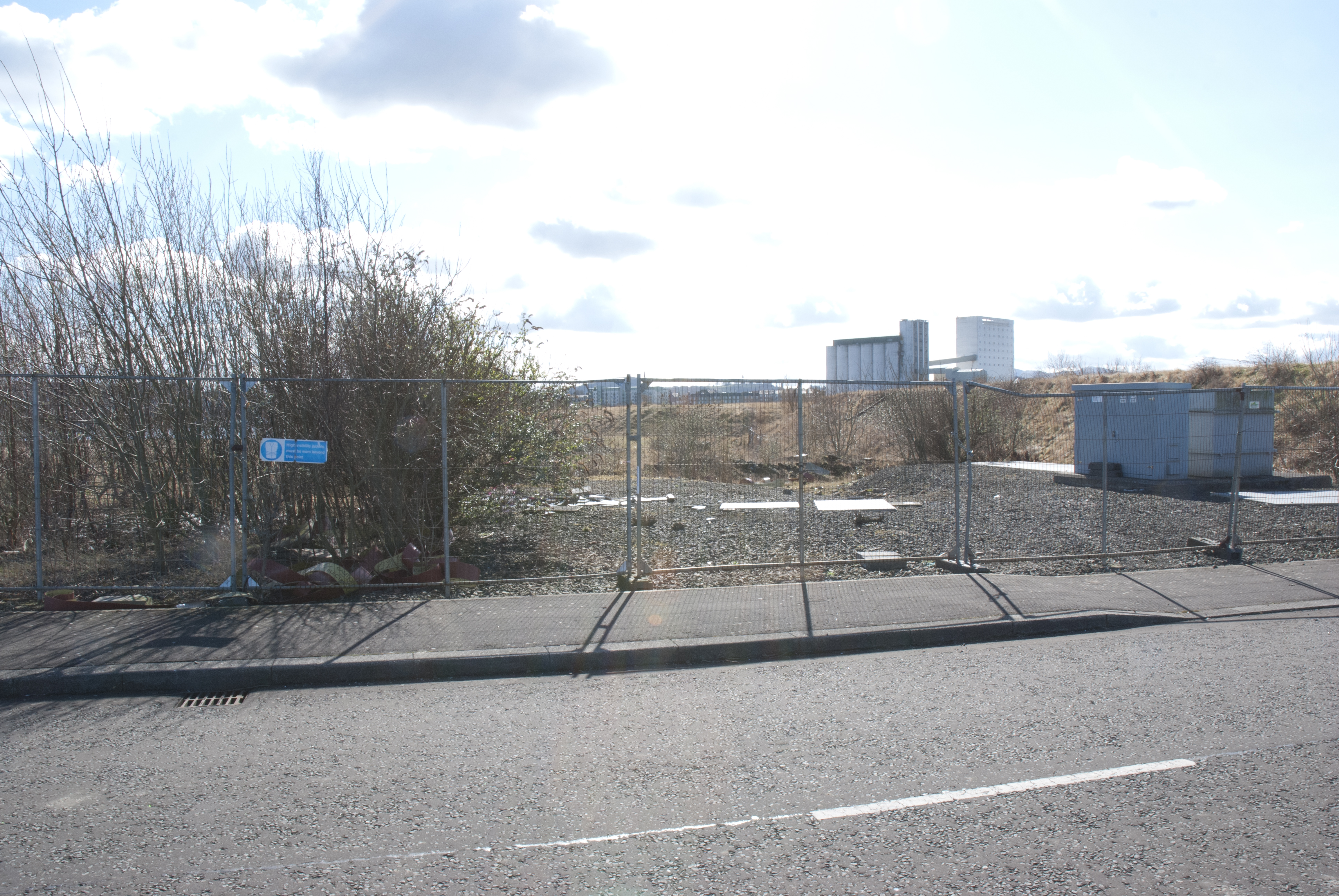
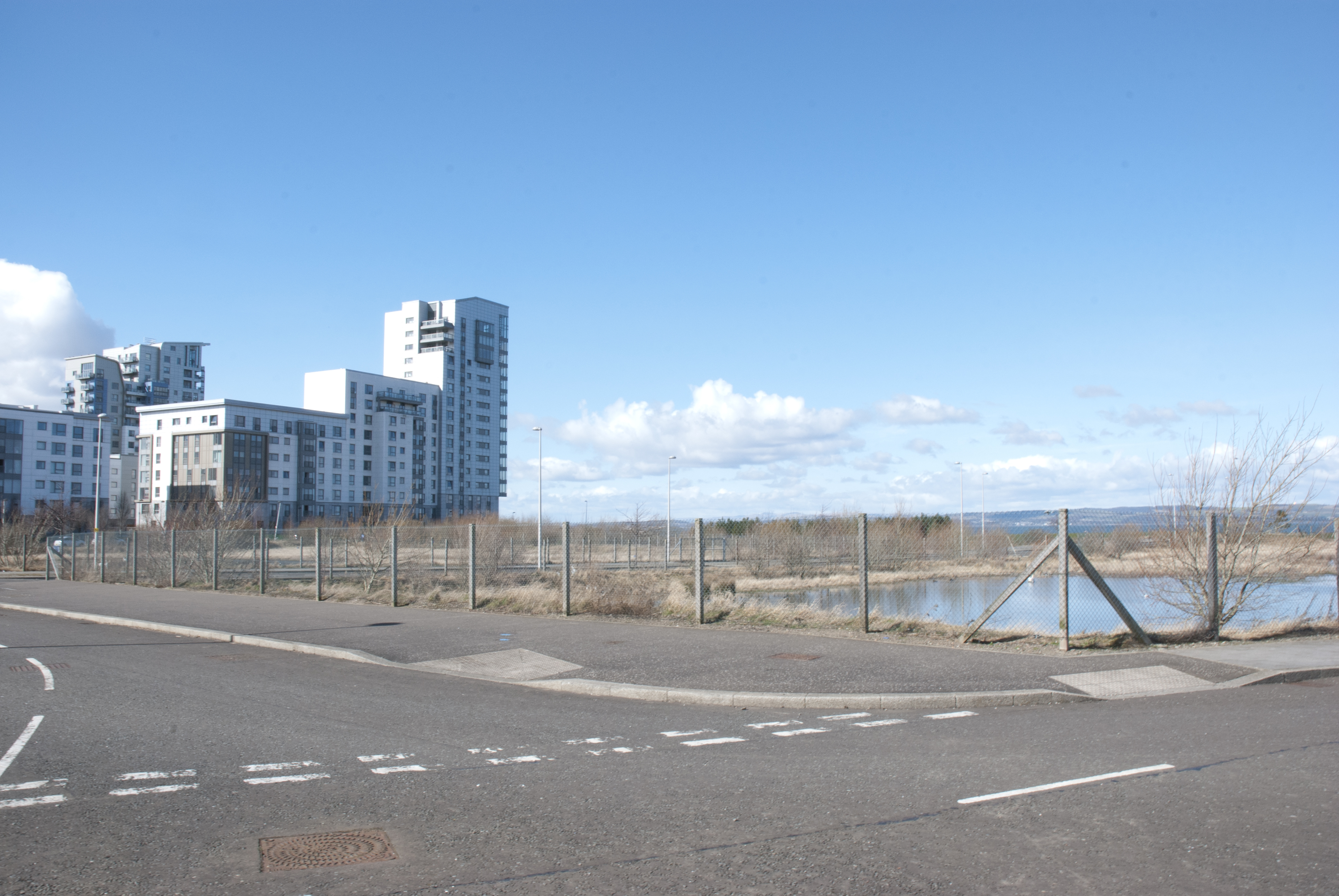
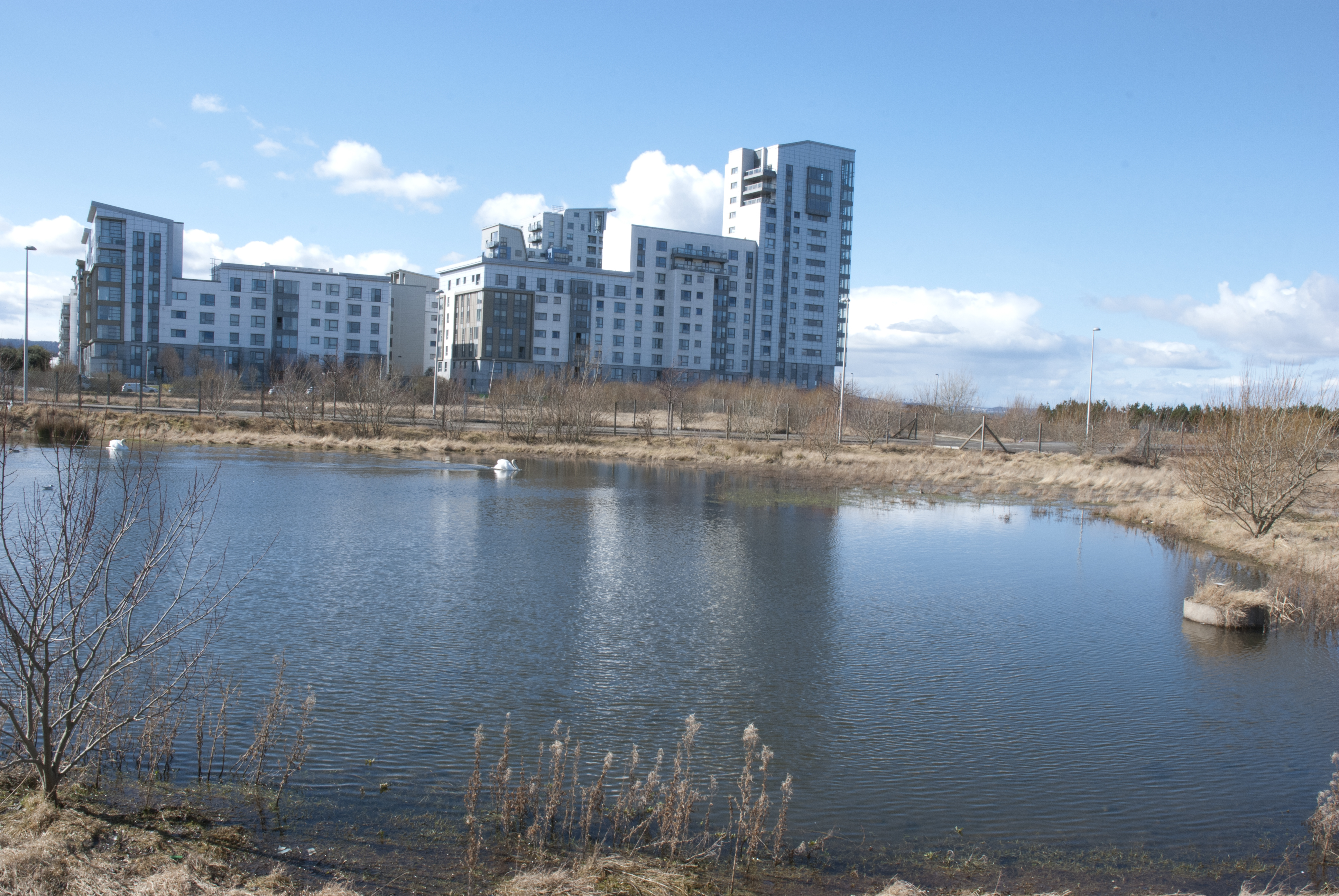
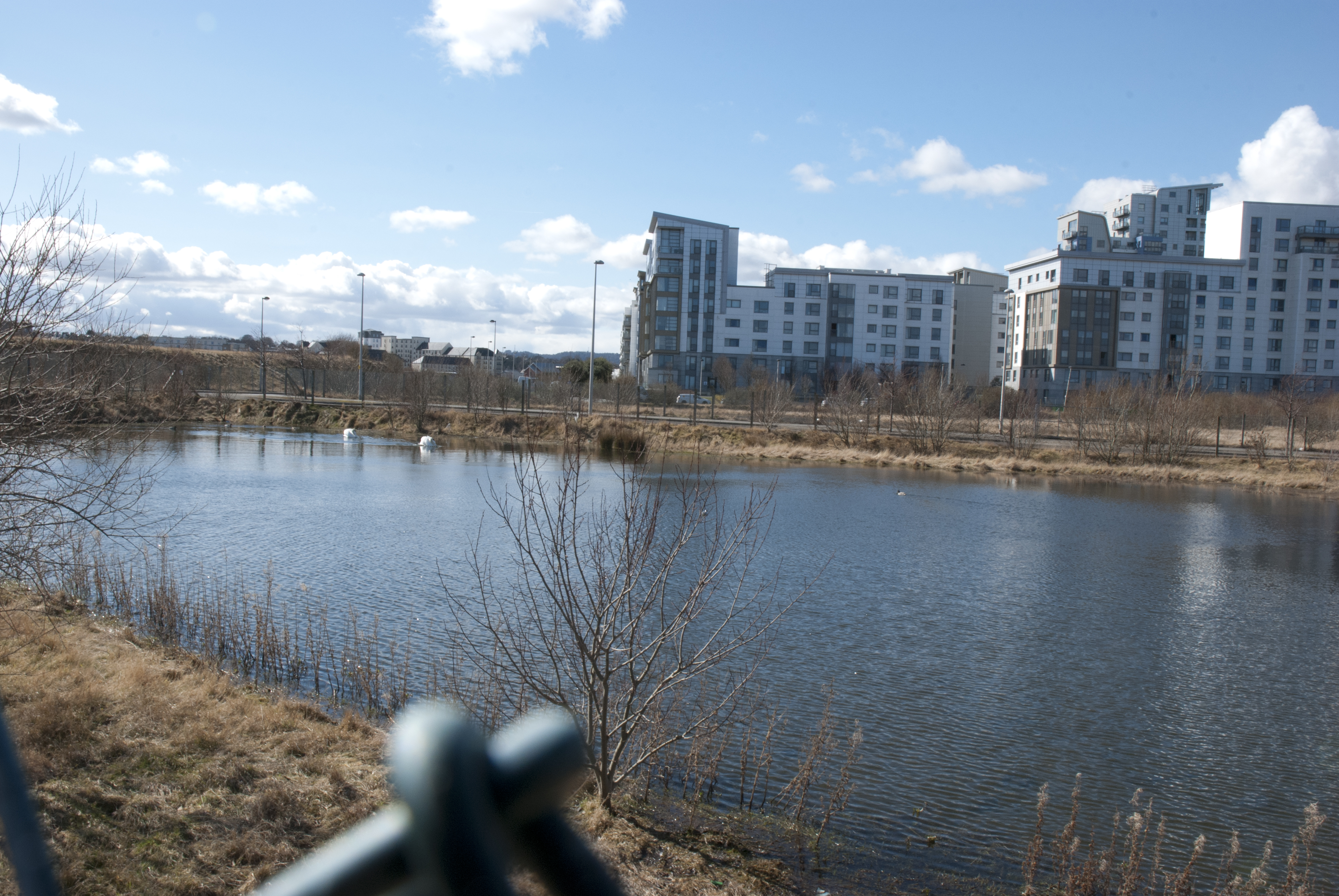
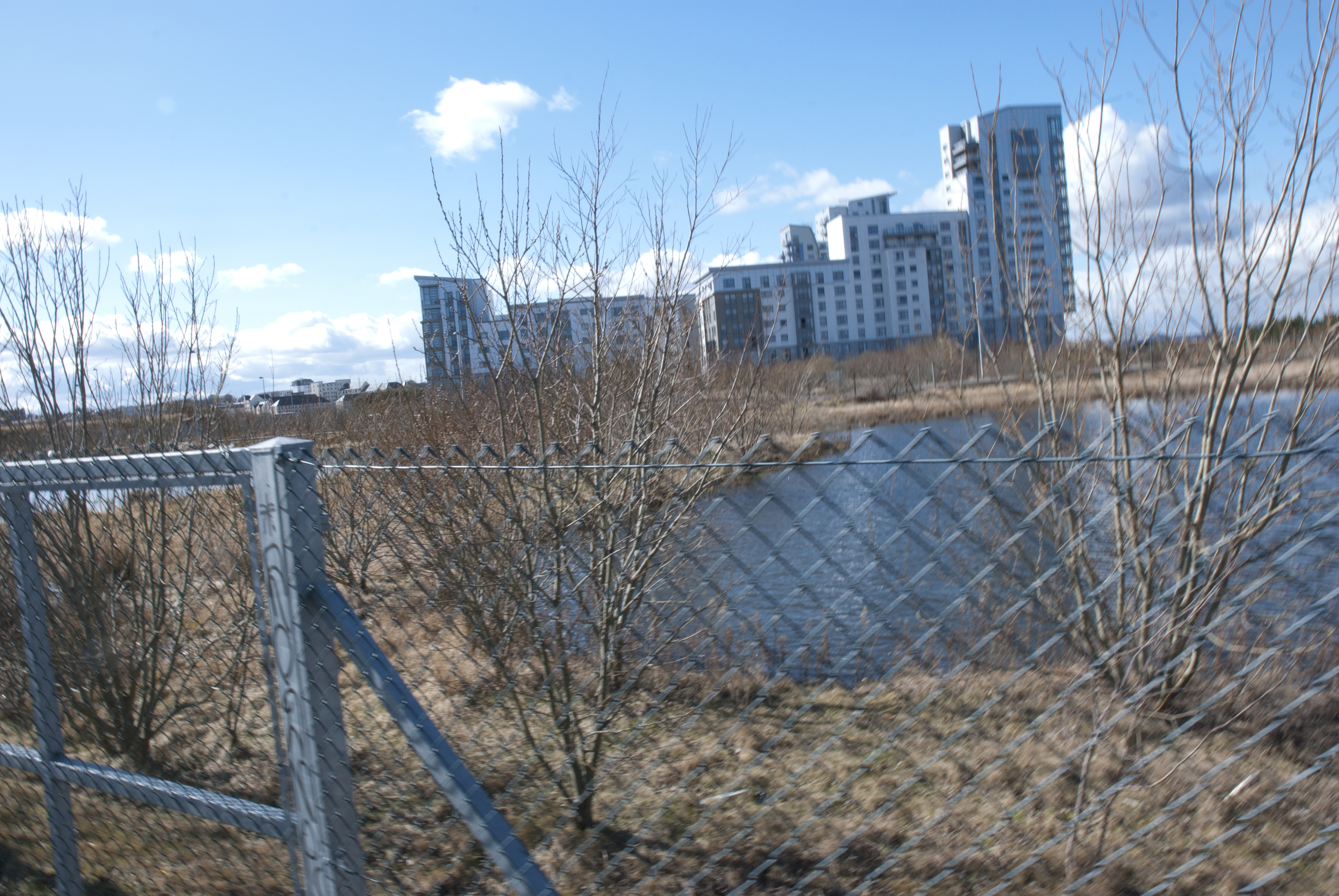
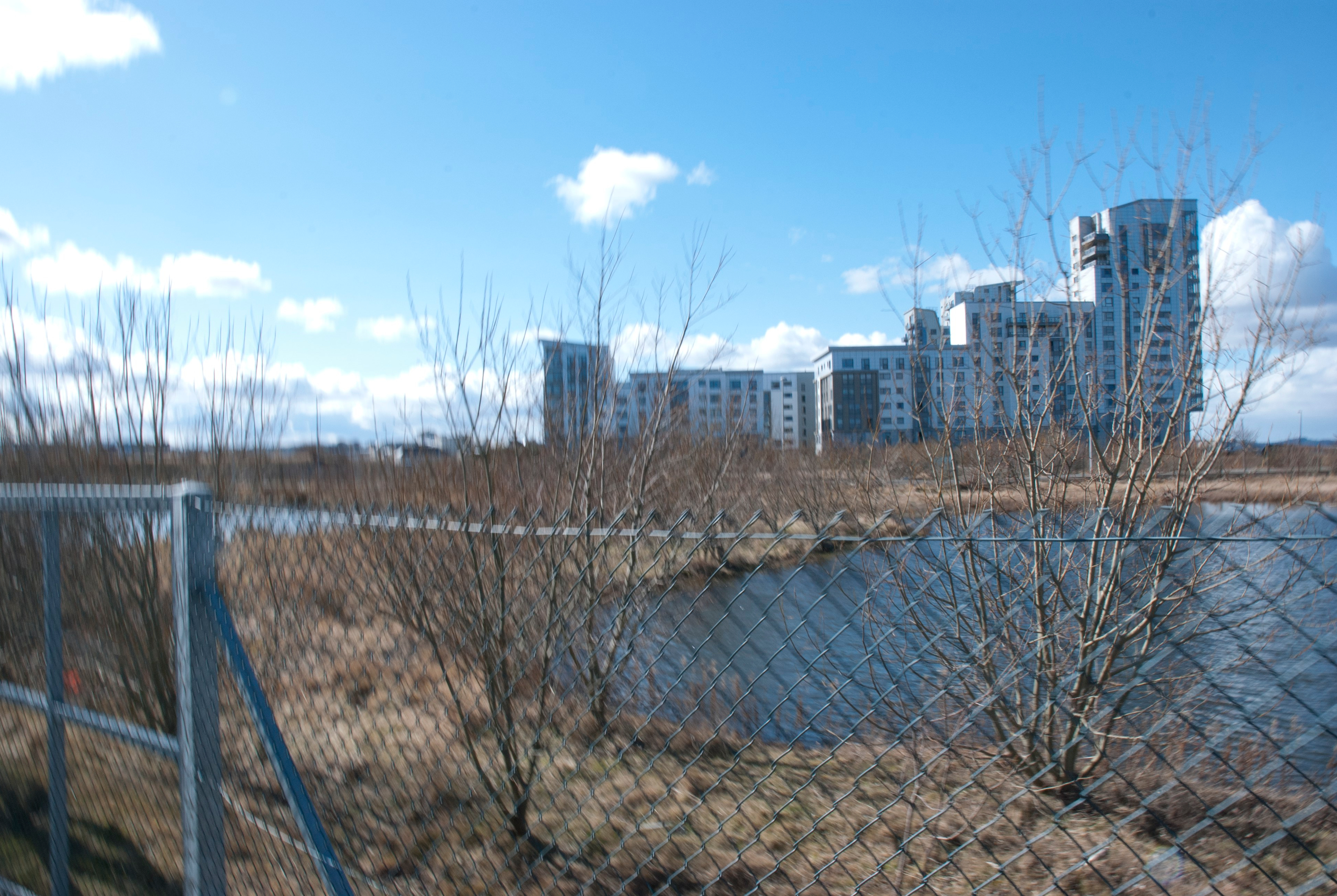
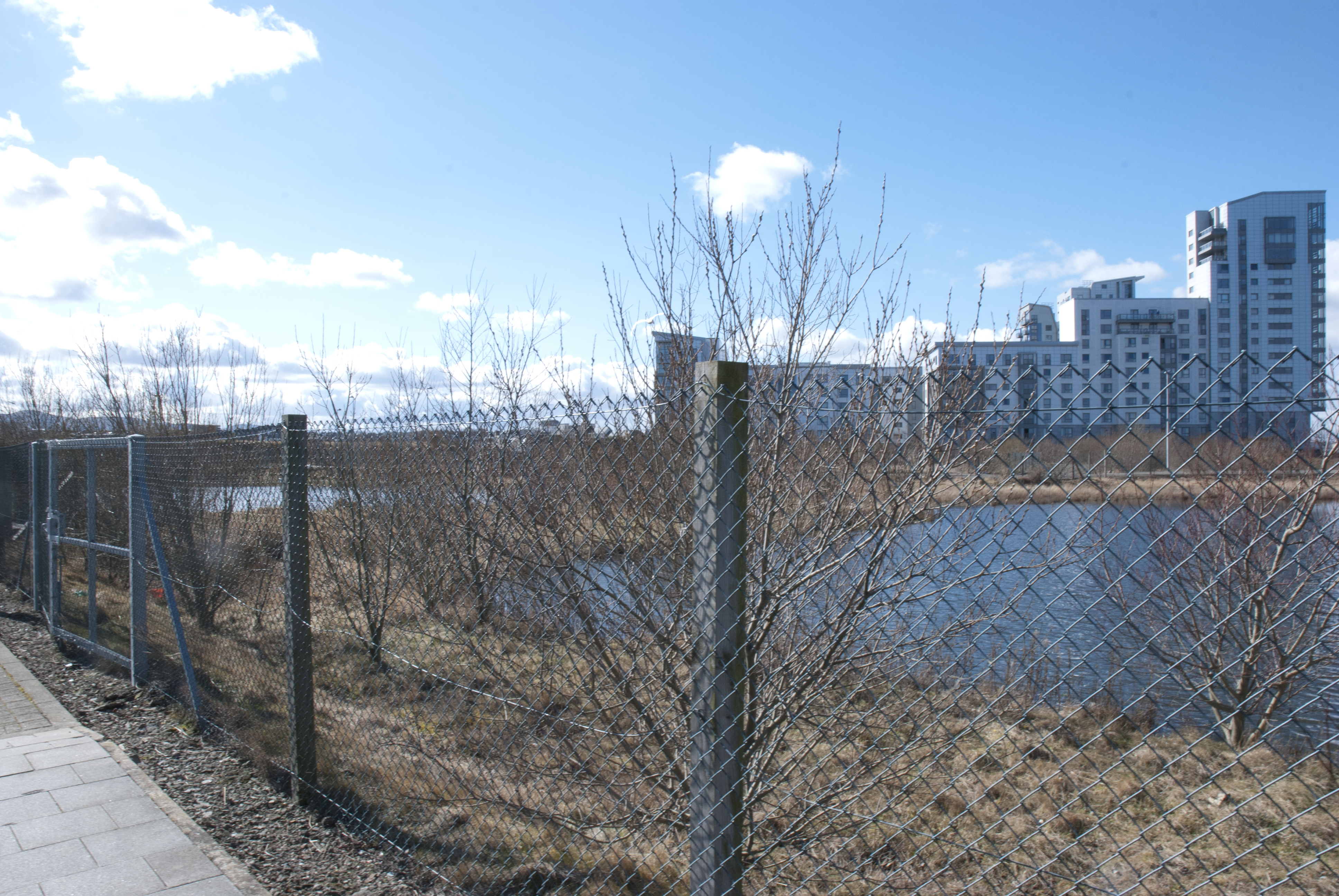
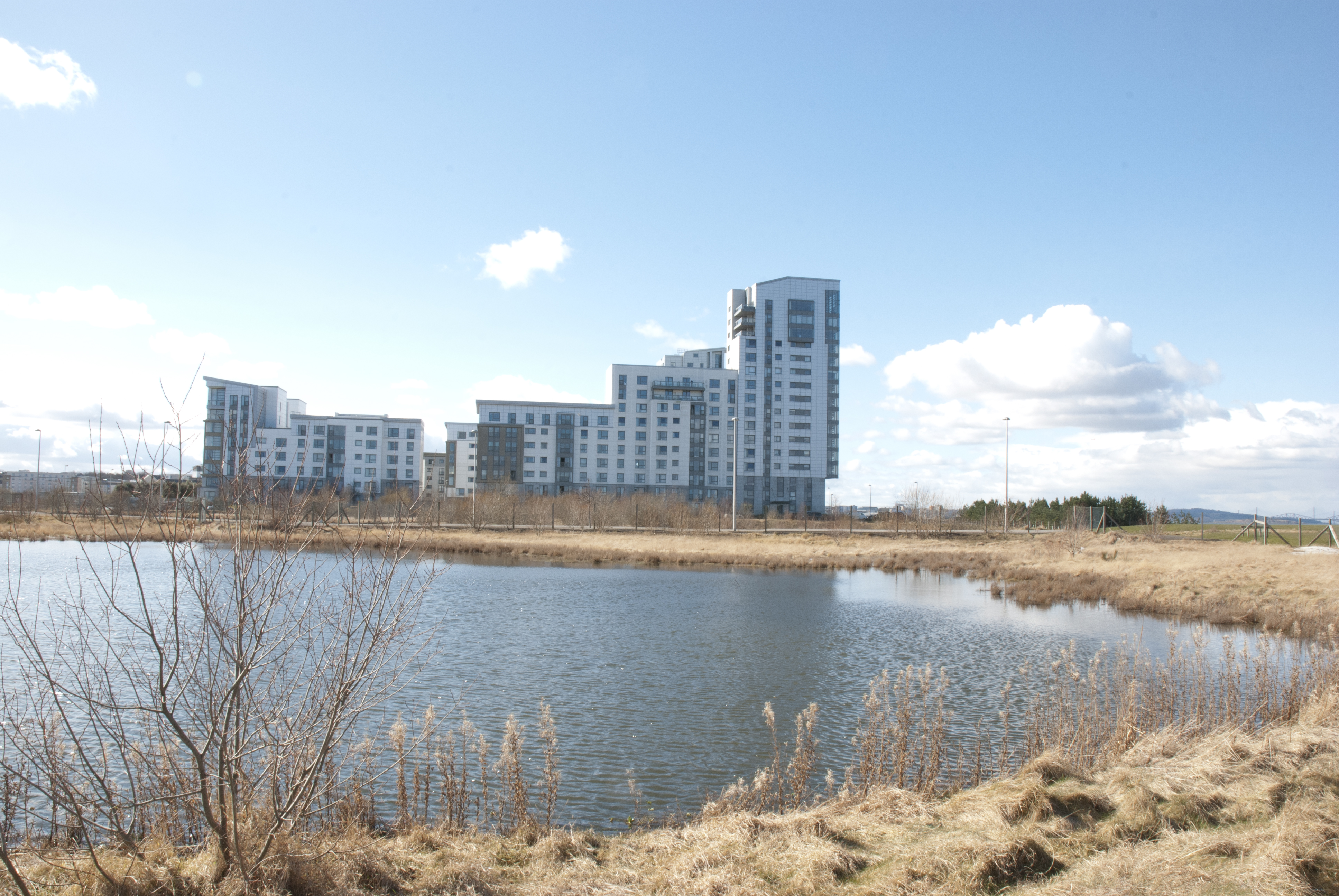
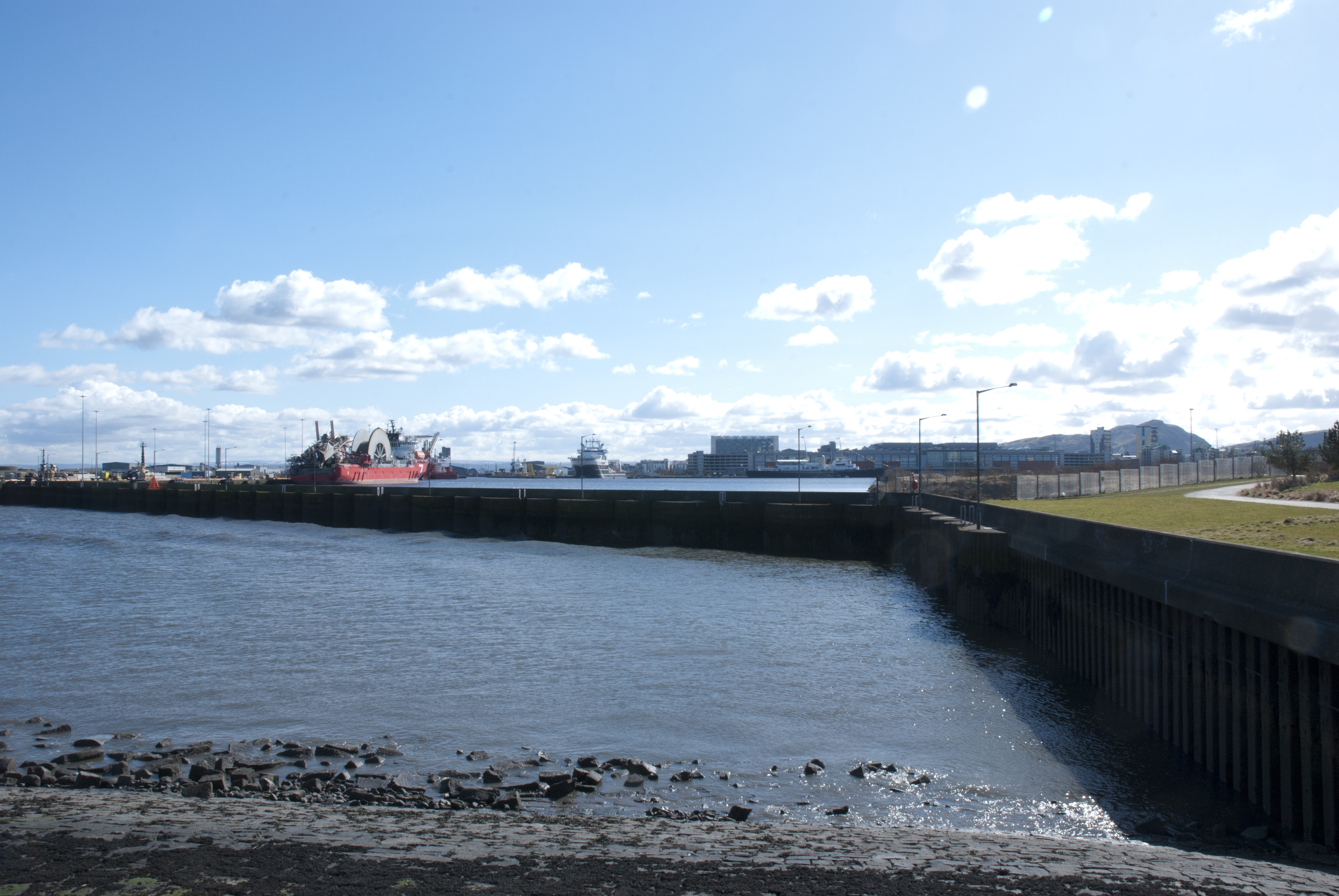
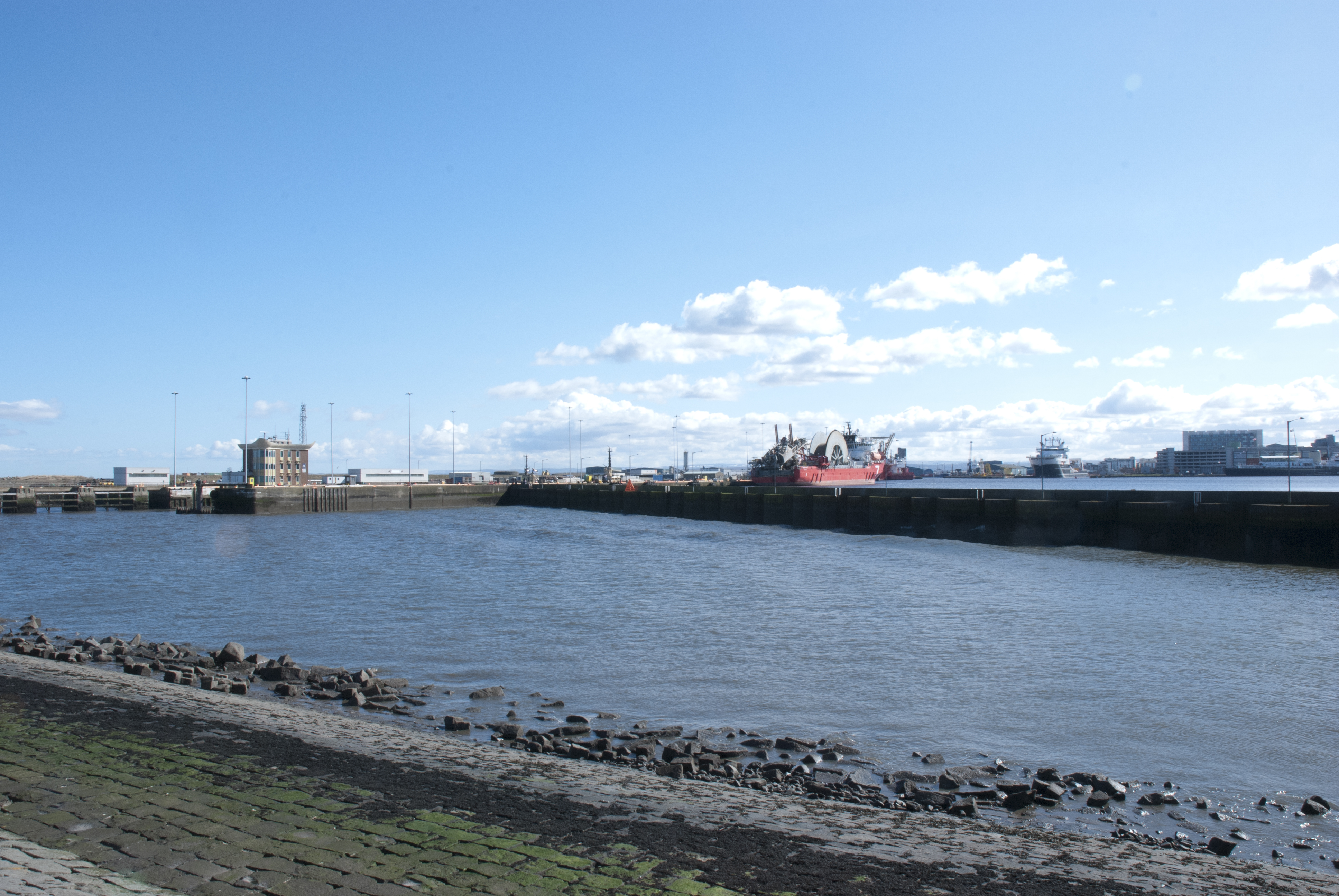
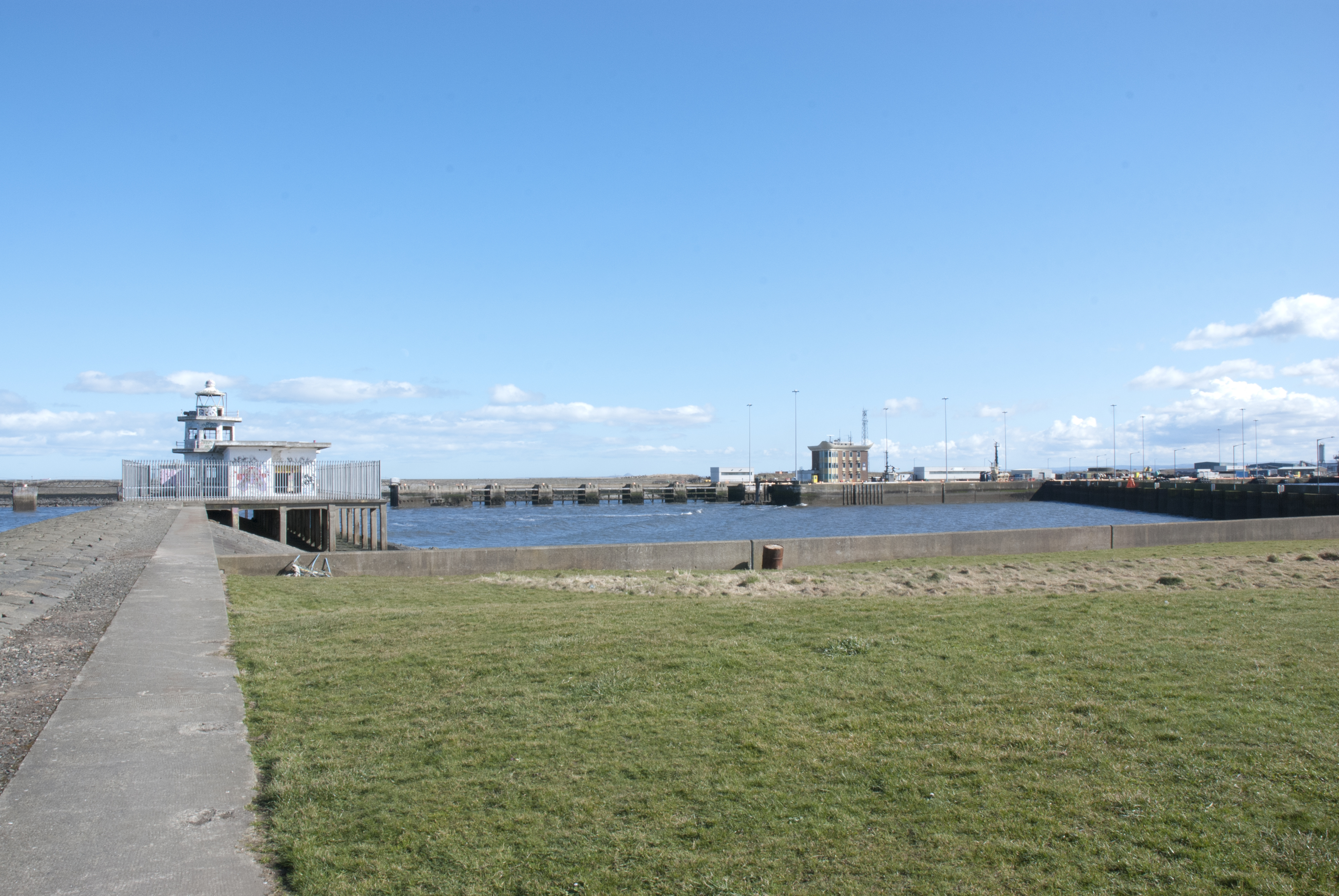
Continuing the Journey

As a visually impaired person, I have a limited view of the world; in one eye the centre does not exists, bright light causes a purple haze and in poorer light I can see nothing. In the other eye it is a blur. Between the two, the world fuzzes, fades, flashes and distorts.

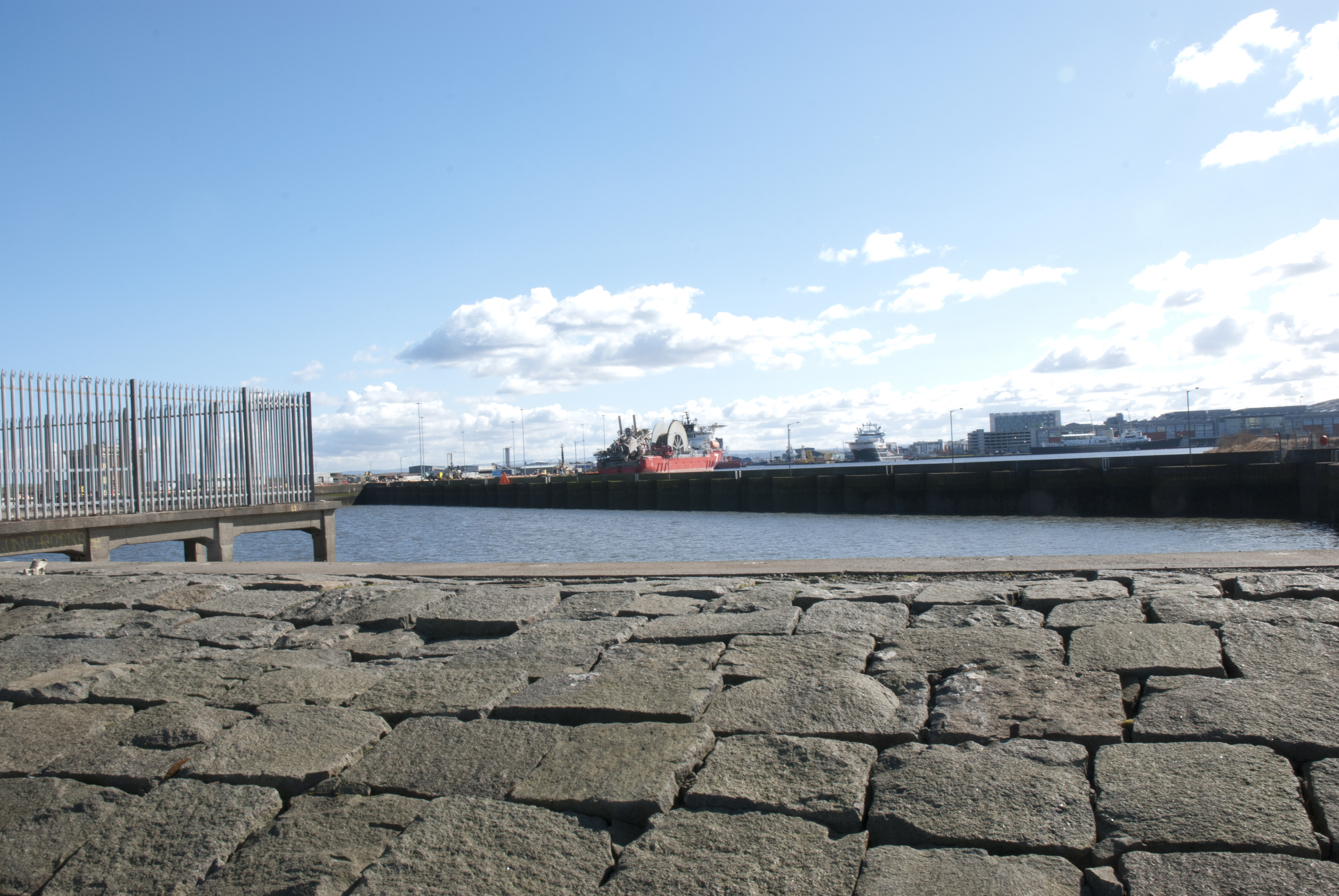
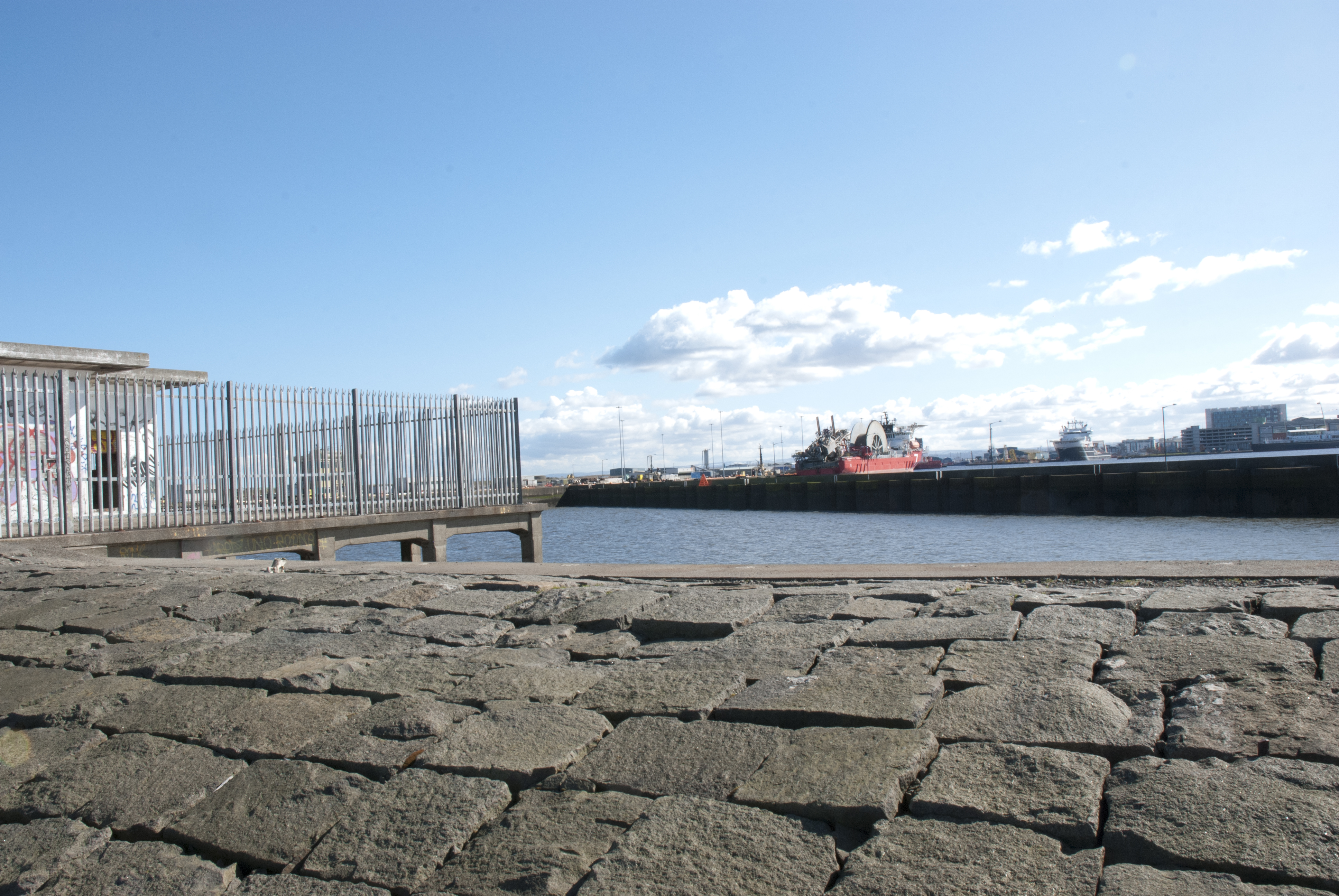
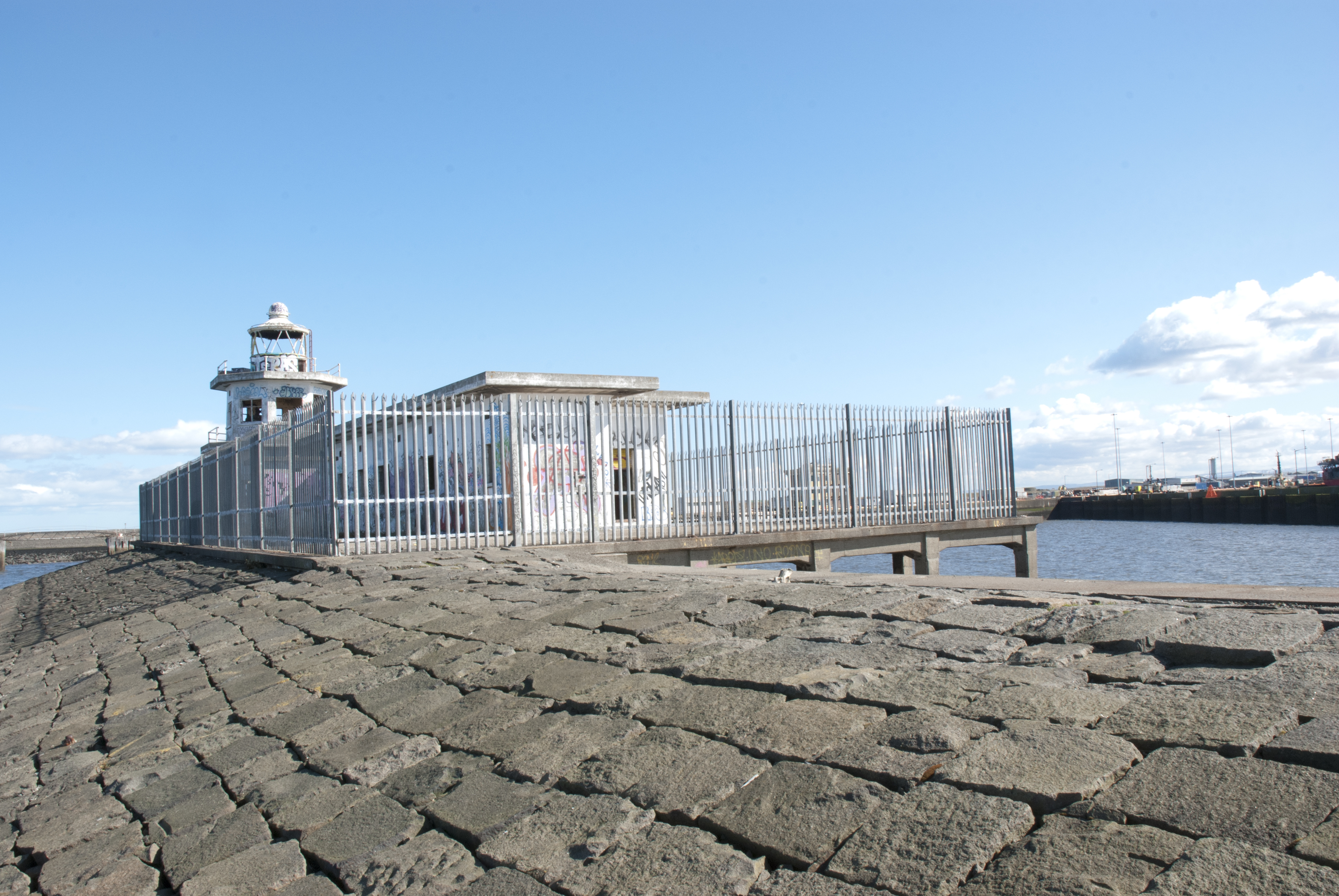
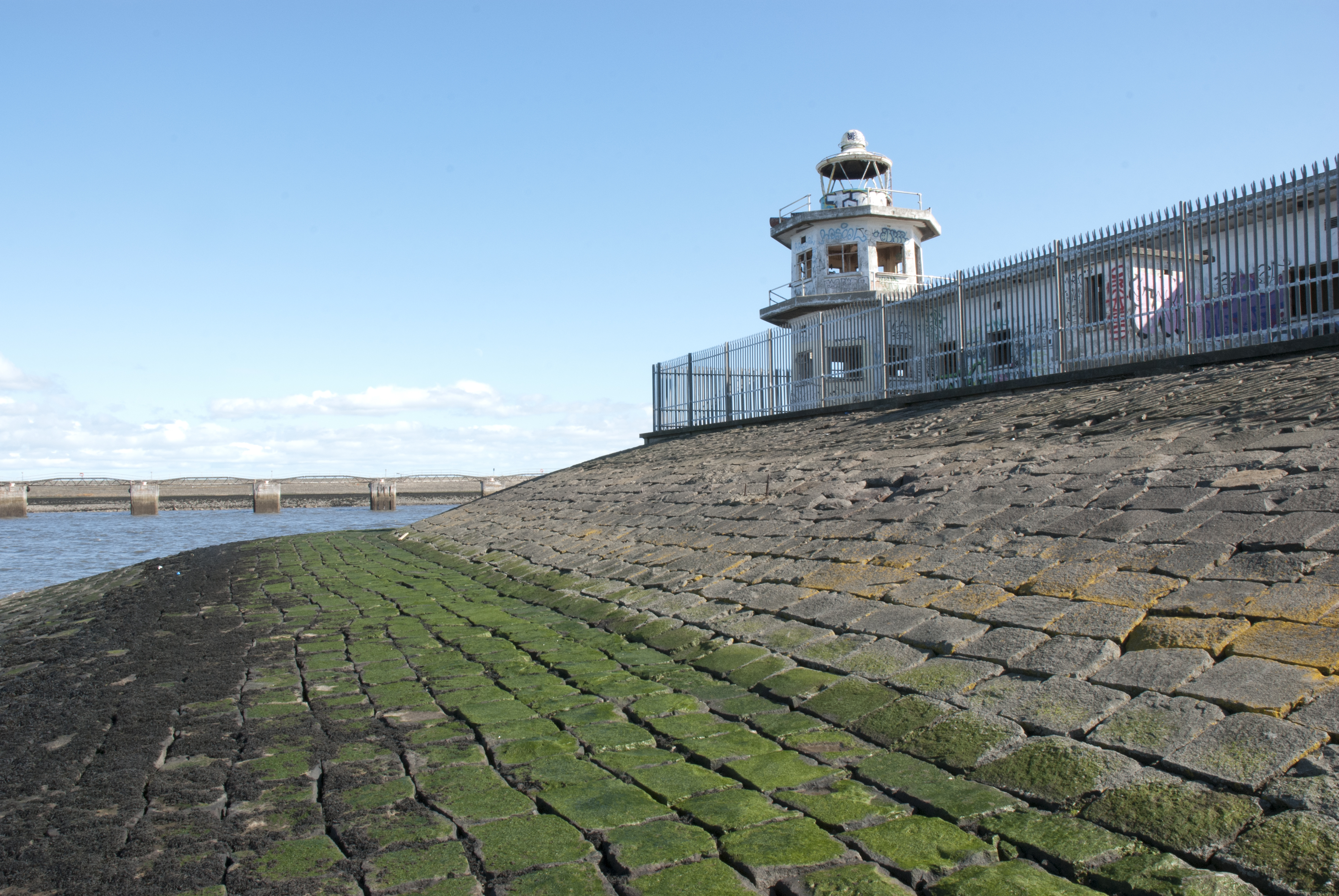
With this in mind, I have started to experiment, it was while working on Assignment 2 that I started to look at how I perceive the world, from a low down position to the slow shutter blur of movement. While working videos formats, I decided to have a few point of view camera experiments and then see what I could do to pass on this sense of wonder and distortion to the non visually impaired.

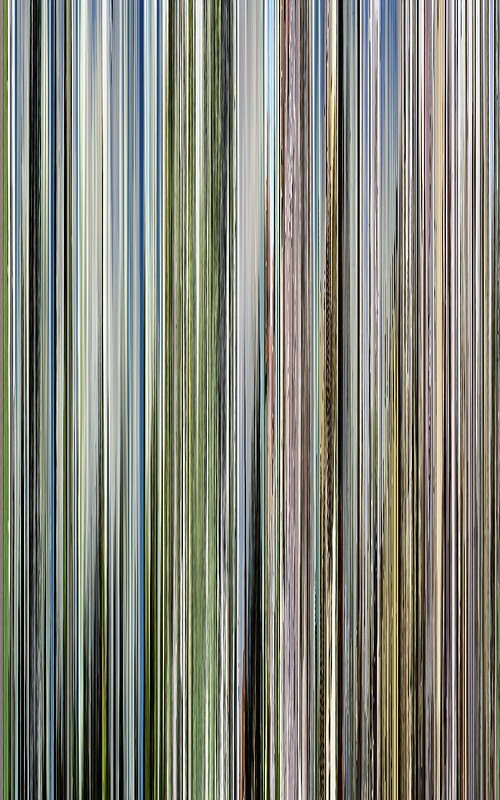
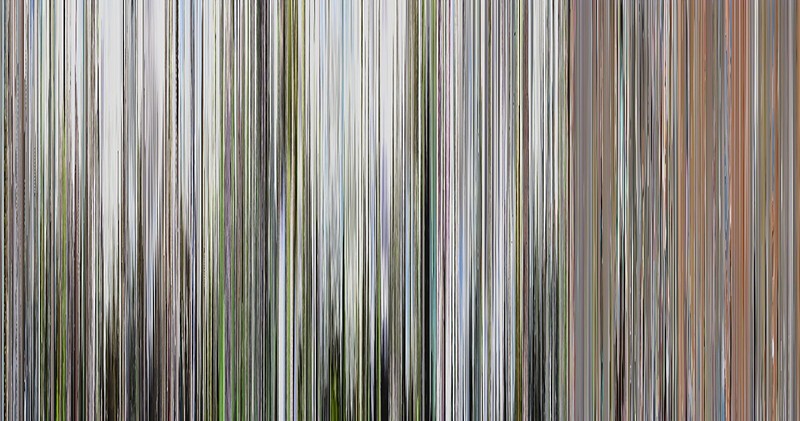
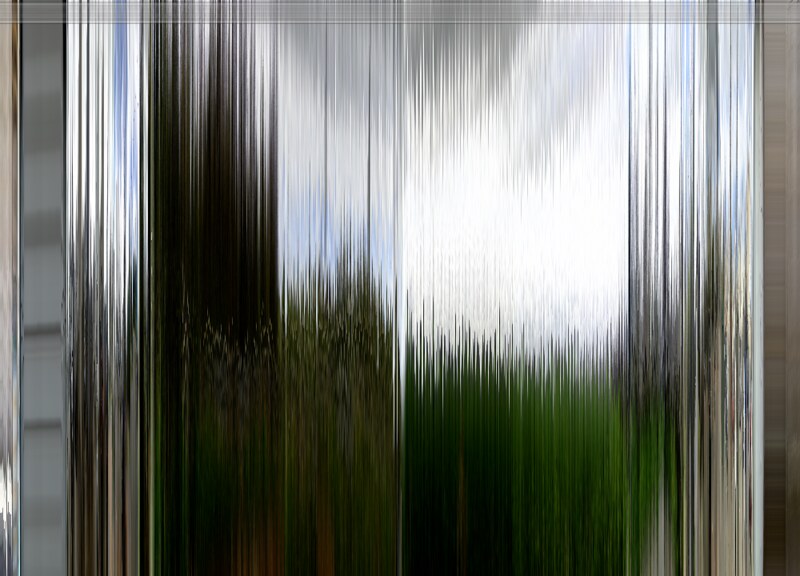
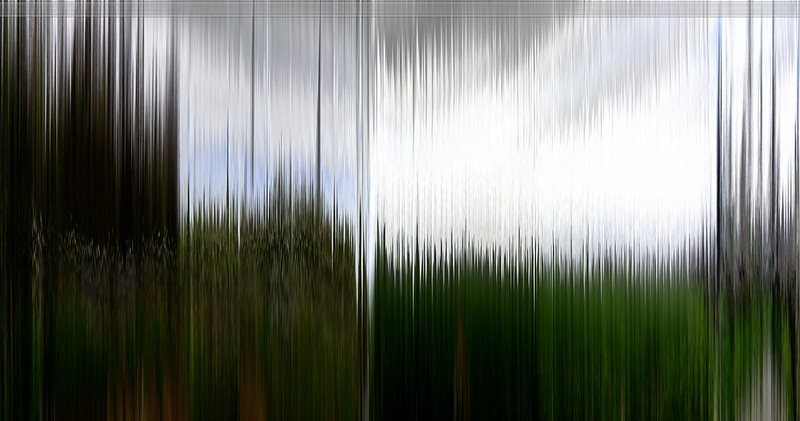
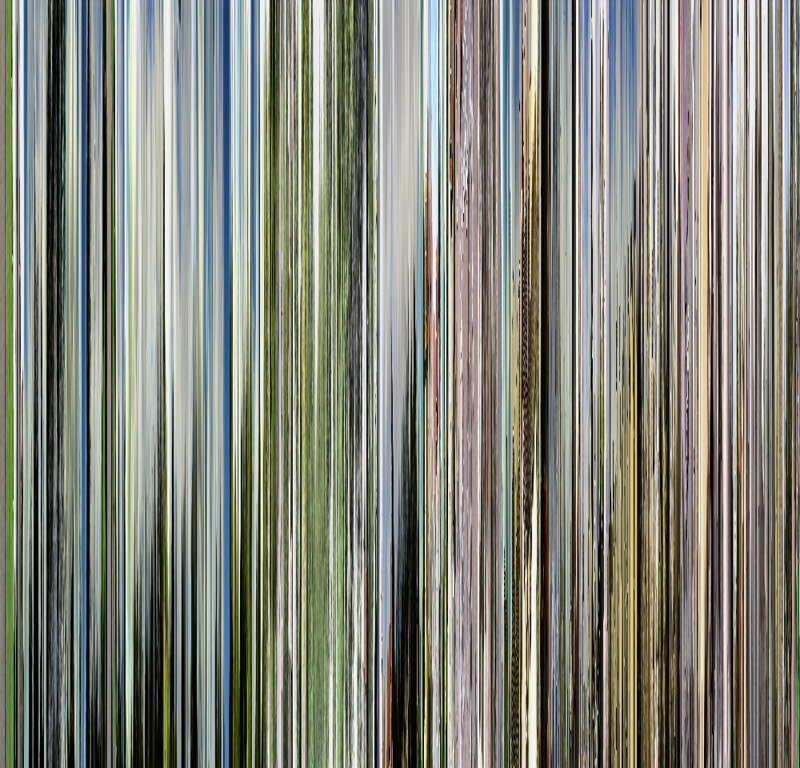
Using the video frames themselves I worked with a program to compress each third frame into a single stripe, the colours of which are mathematically calculated by percentage per frame selected. This created a stripped barcode effect with enough distortion in each final image in an attempt to pull a sense or emotion from the viewer.

Here I present the first of the series

1. A walk.

A 8 minute walk with eye level point of view. Daylight.

2. Walking again

A 8 minute walk with eye level point of view. Daylight.

3. To the supermarket

A 30 minute walk downhill. Daylight.

4. Return home

A 50 minute walk. Daylight.

5. Bicycle Journey

journeybike1

Journey 5

A 12 minute cycle. Daylight; clouds and rain

6. Bicycle along a path

journeybike3

Journey 6

 A 9 minute cycle before chronic pain required a stop. Daylight.


Conclusion.

I plan to continue with these experiments as they allow me to produce a different style of photographic image. I am particularly pleased with the results of the images produced when cycling, both the wobble from the camera, the speed of movement and the camera angle work together to produce an image where the viewer must try to separate and locate the ground beneath them, the landscape they pass and the sky.

Assignment 2 – The Journey

The main requirement of Assignment 2 is to produce approximately 12 photographs that are made on, or explore the idea of a journey.

Having failed to get the first attempt to gel together, I went back to the drawing board and started to draw together threads from parts of the coursework so far and that I could reconfigure my ideas and inspiration on the subject, including territorial photography, edge lands and the exploration of a road

Statement of Concept.

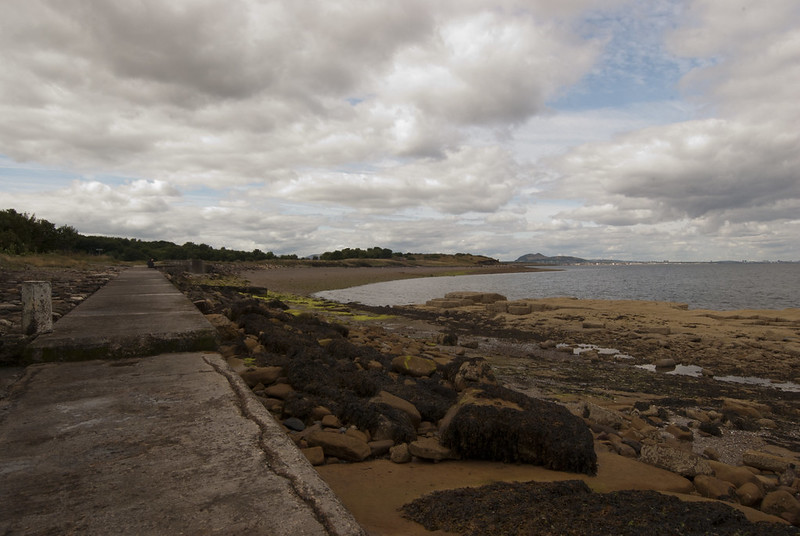
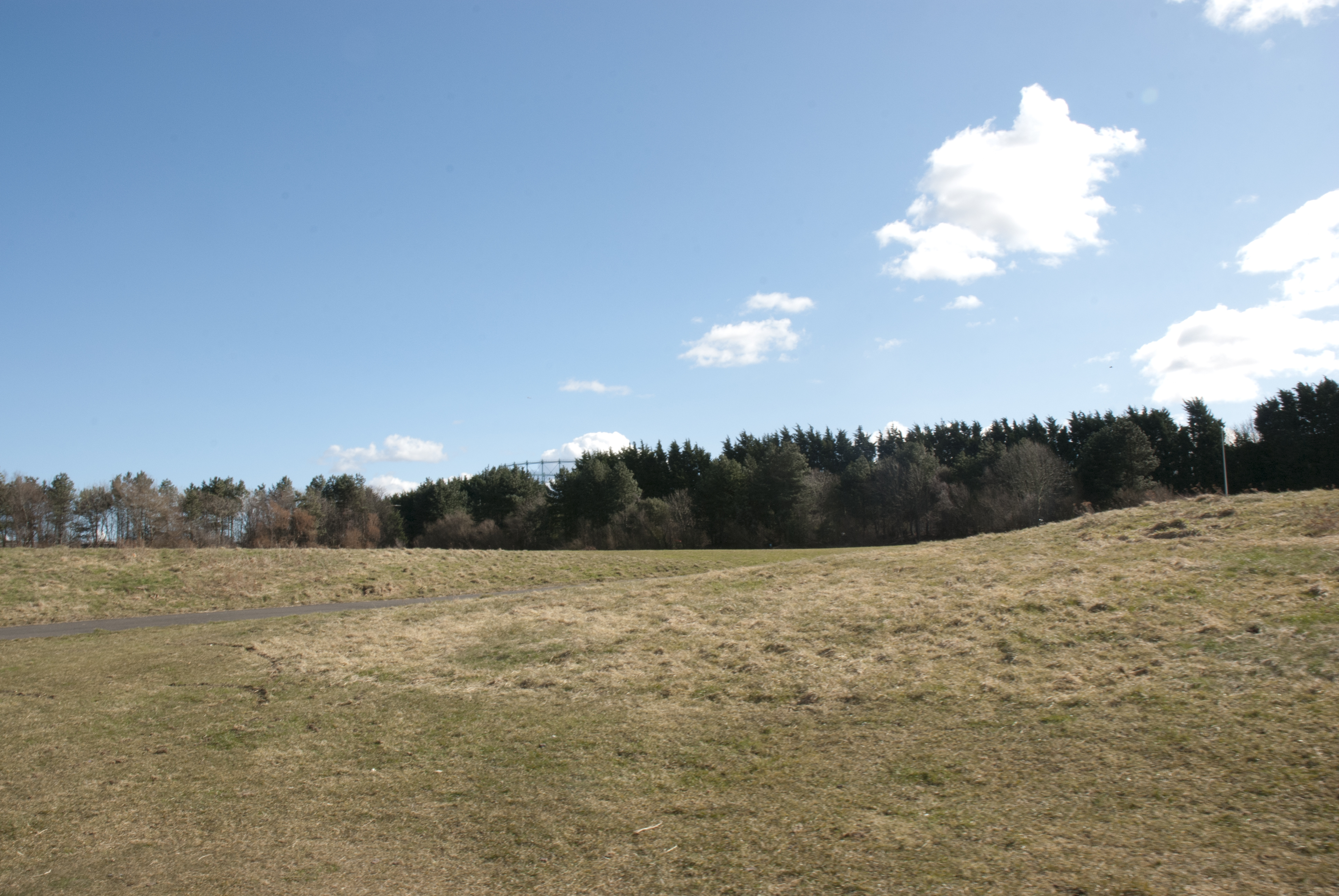
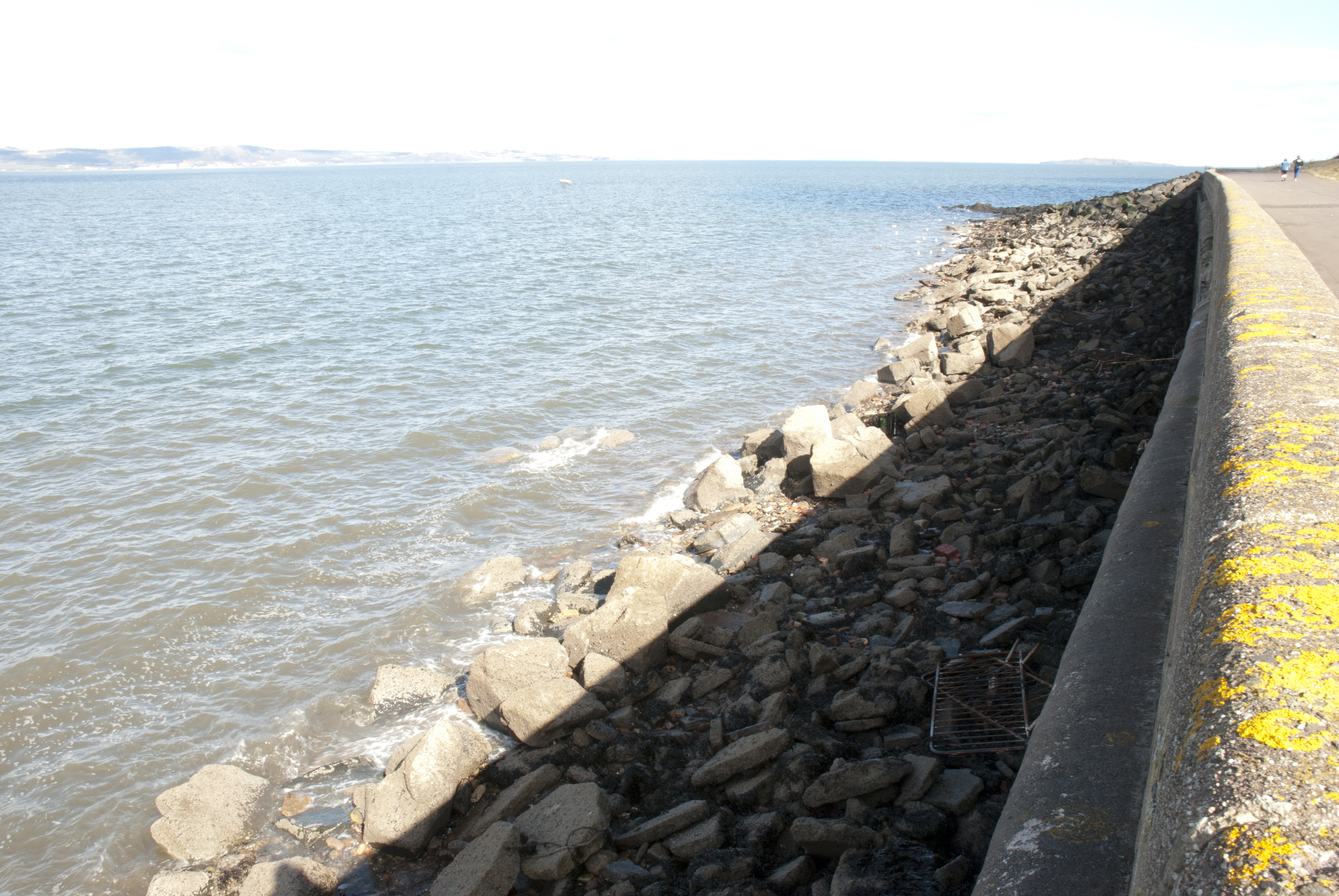
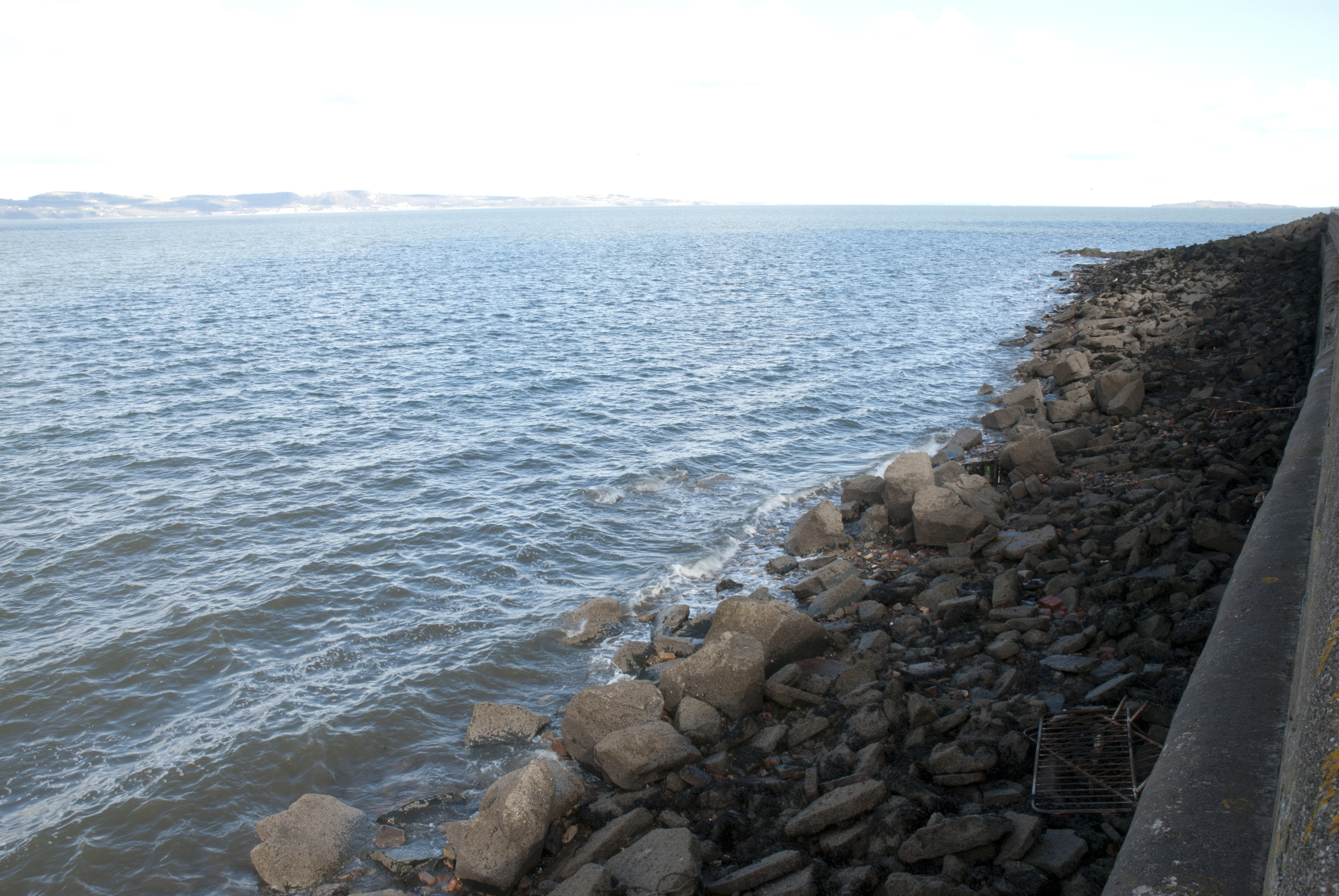
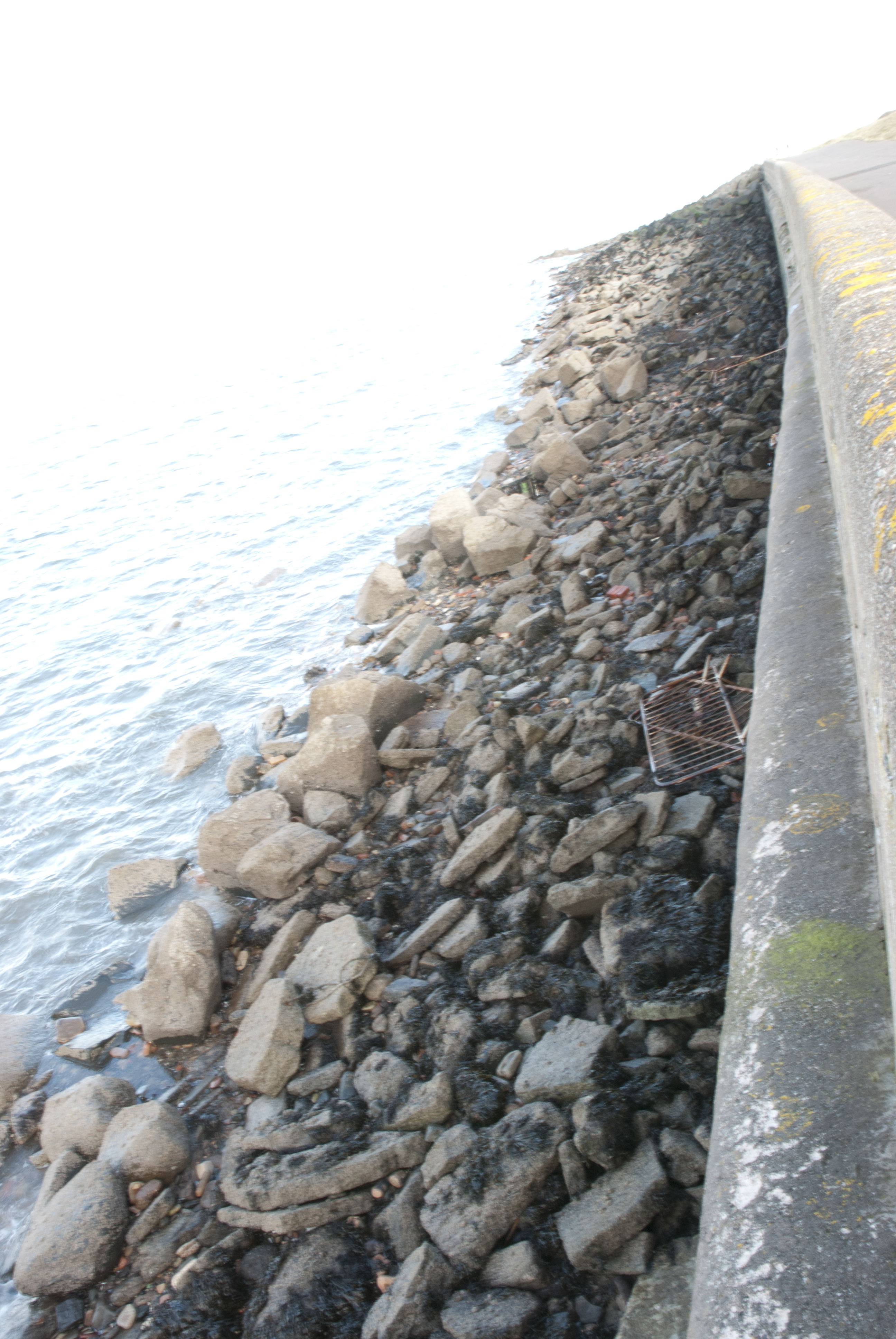
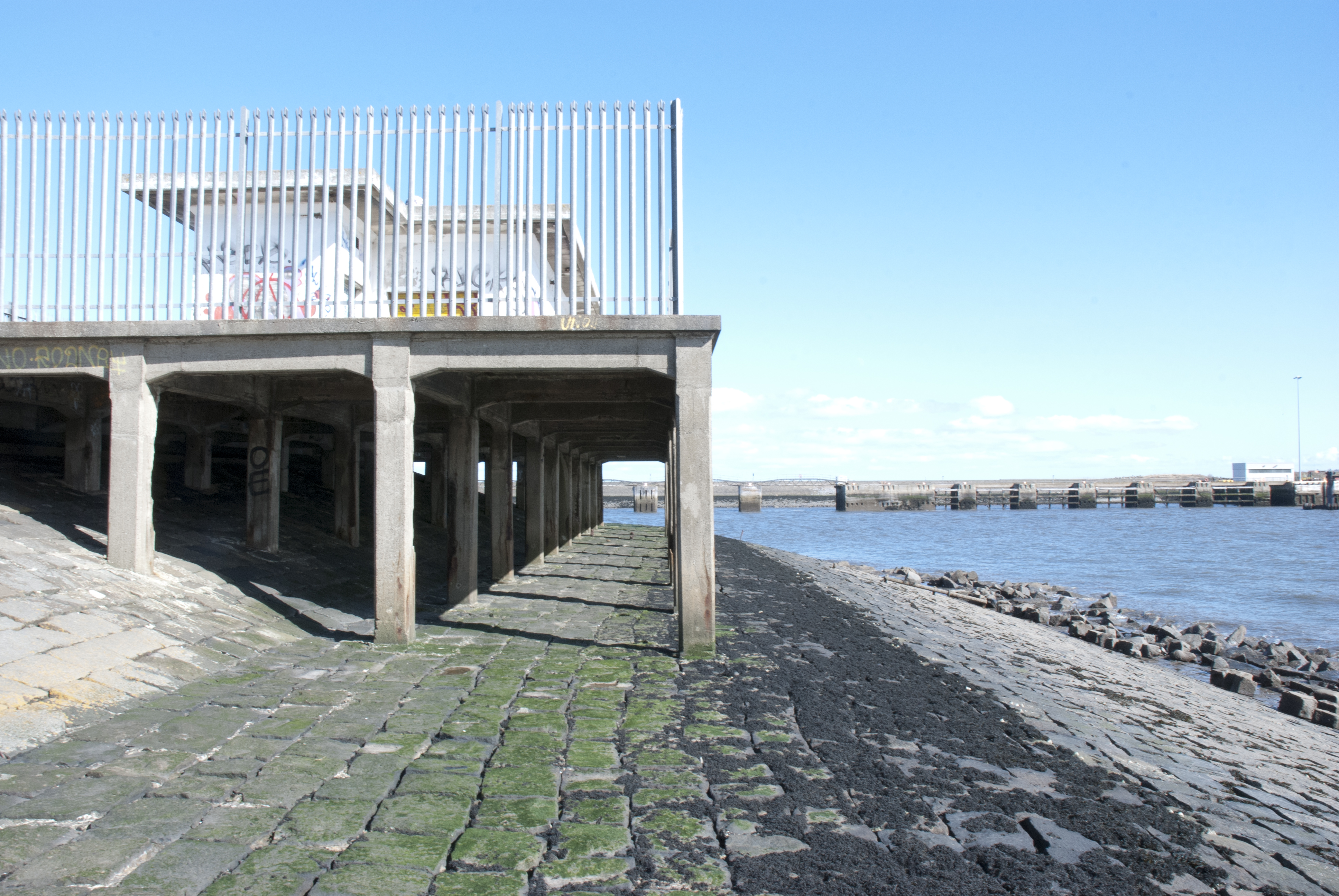
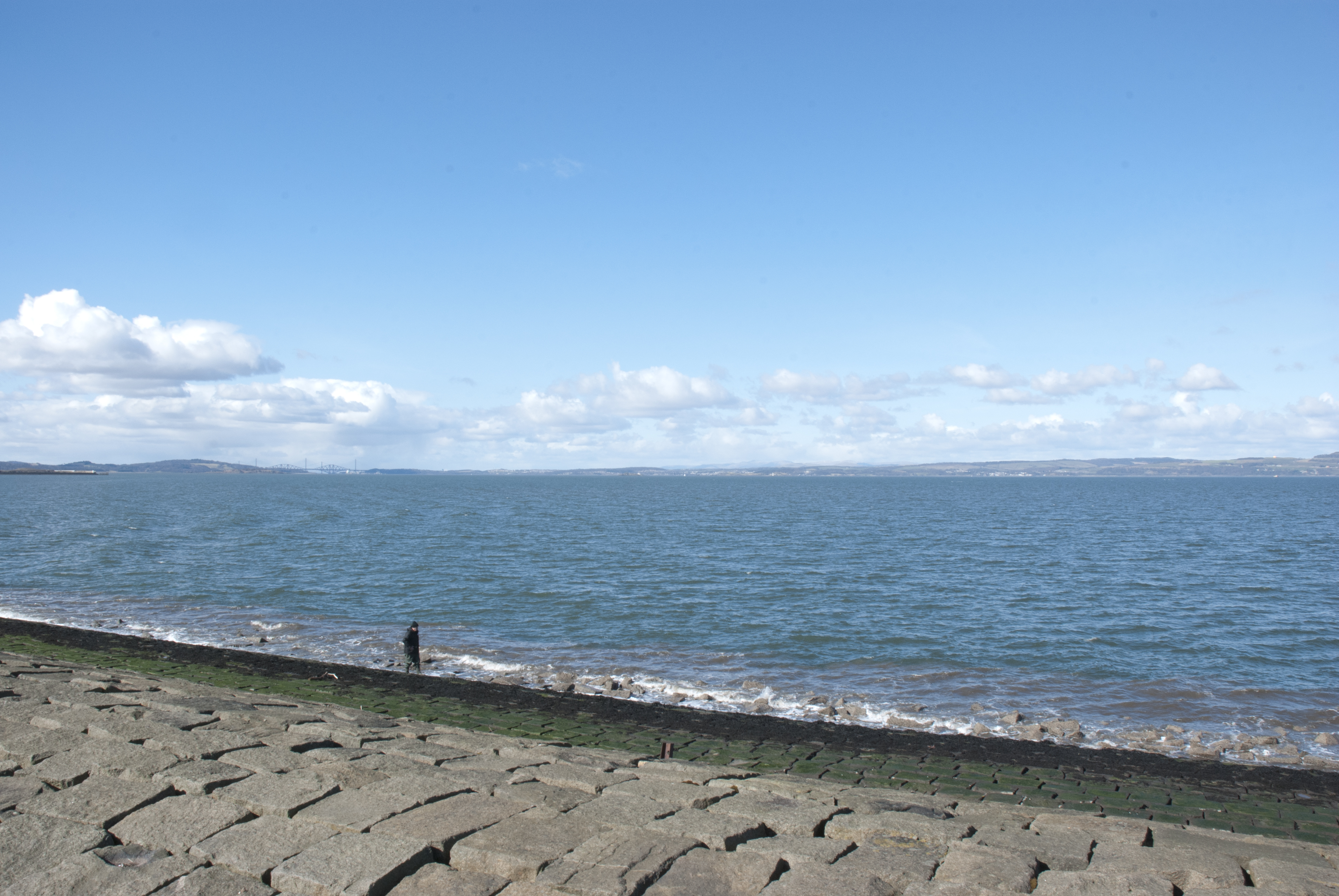
I examined this as both a journey along a path, but also a journey down memory lane. The area I was photographing is a small part of what is now the “John Muir Way” a section of beach where I spent some of my childhood. It is a post-industrial area where local history is fighting to stay alive.

The journey took place along a concrete pathway which was laid down over the metal and asbestos pipes which carried the ash from the coal power station to a lagoon area. These ashes were used to create a piece of land recovered from the sea. The journey passes the disused sites of different industries now lost to the place.  I started at the edge of the town and worked back along the walk towards the other edge of the town where the power station once stood, passing history, pollution, the remains of the fishing industry, salt panning and the use of the land by the local population along the way.

The main techniques I wanted to use were colour, a wide-angle lens and the decision to keep the main part of the horizon in the upper third of the frame. This meant at times using walls and buildings as the lead part of the horizon. While the point of view was limited to a certain focal length and depth I feel that this worked as the eye is drawn along the structure out into the far horizon. I tried to keep the images off centre to bring in the concept of moving the viewer’s head from side to side as if they were looking while walking. The project is led by the movement of the images through the viewer’s point of view rather than the artist forcing a fixed stance, especially in a wide lens where the main part of the subject is usually pushed in the centre of the image due to the structure of the lens and the heavy centre point that it creates, similar to how ‘Wyle’ presents the walls and fences in his work ‘Maze’ ‘Wyle.D 2010’. I was also influenced by the work of Raymond Depardon in ‘Glasgow’ ‘Depardon and Boyd. 2016’ where he captured both the landscape and the feeling of Glasgow in the 1980s within each scene.

While working in colour I wanted to still keep to Ansel Adams zones so I tried where possible to capture the widest range of contrast while not blowing out the whites and destroying in the darks.

Final Images

“The Journey into the past”

In the beginning.
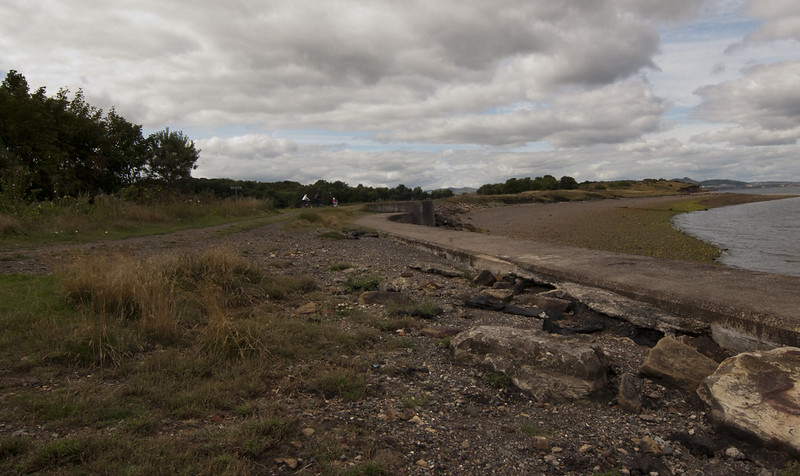
DSC_0006

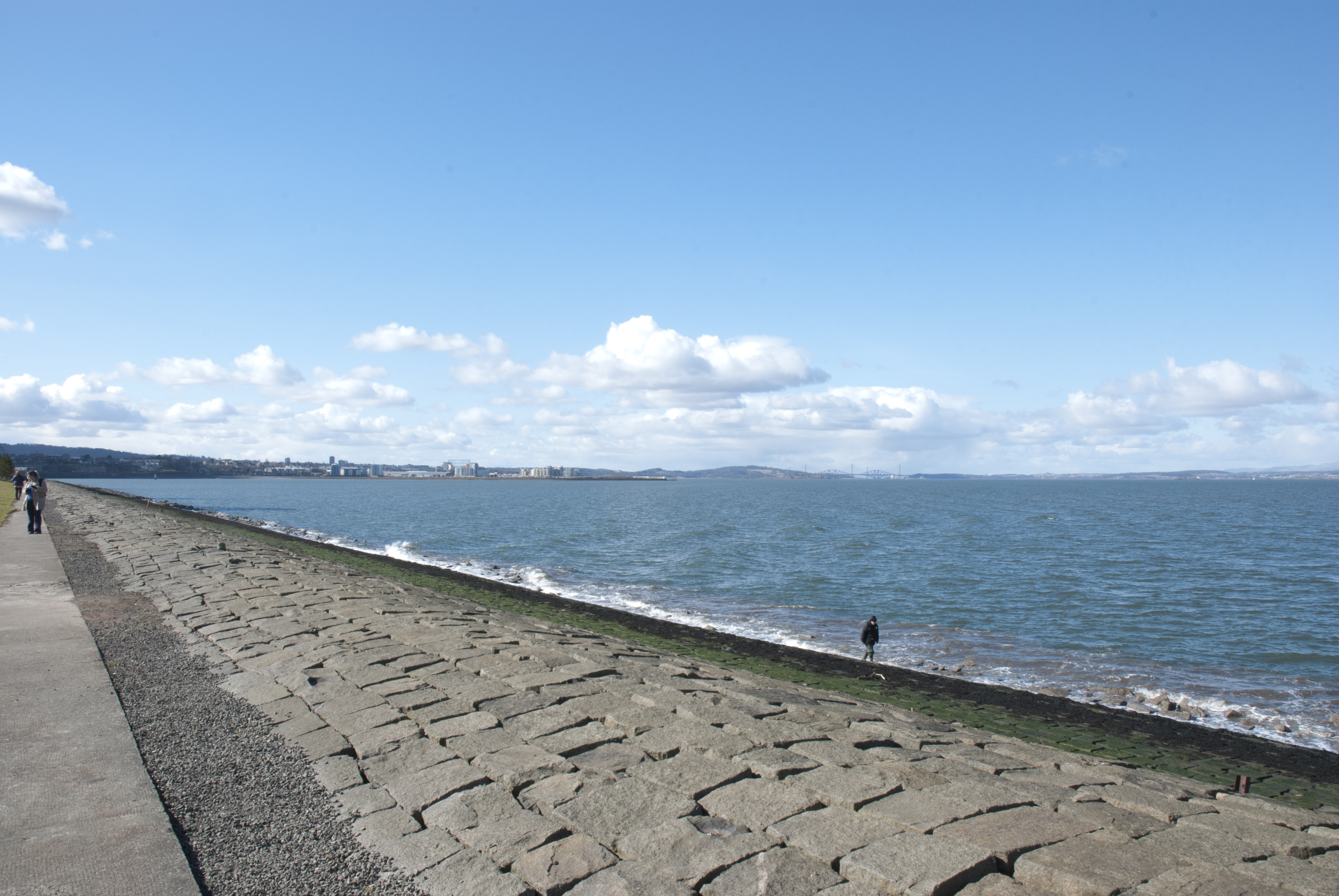
The edge of town and the John Muir walk.

Here at the edge of the town, the path is signposted as part of the John Muir Walk which takes walkers along across country from the west coast to the east coast of Scotland. This small section of the walk continues round the coast and carries right along to the town of Dunbar. Here walkers step onto the concrete path and over pipes no longer in use, as they start along between the sea and the bordering town of Prestonpans.

Looking back

Looking back the way, over the years more pipes were laid down and covered in concrete as burners of the coal fired power station were taken out of service and the station started its own journey towards final shutdown and decommissioning. The concrete for the main part is uneven, rusting and slowly falling into disrepair. The responsibility for the maintenance for the walkway is disputed and as the dispute goes on the path falls away to the waves.

Waste sluice
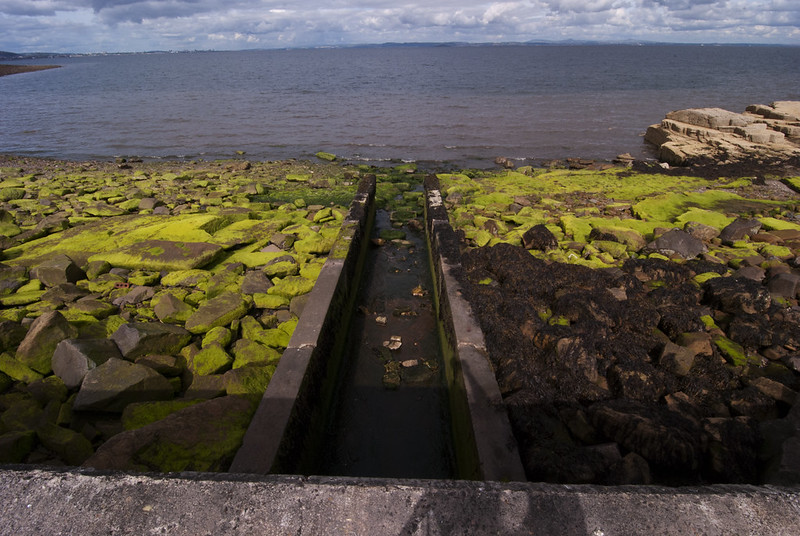
DSC_0012

Outlet

Water quality in areas like this was not high on the list of important subjects. Raw sewage was pumped directly into the sea from sluices and pumps. When the local authority built two new housing schemes in the 1950s to take some of the overflow from the relocation of Glasgow’s slum tenants and relocate them in other communities, the pipes and sluices were expanded to carry the effluent straight into the sea where I like a lot of the towns children swam. The sluices are no longer in use and now sit disregarded, another viewpoint for the houses built right on the other side of the path.

Houses overlooking the sea.
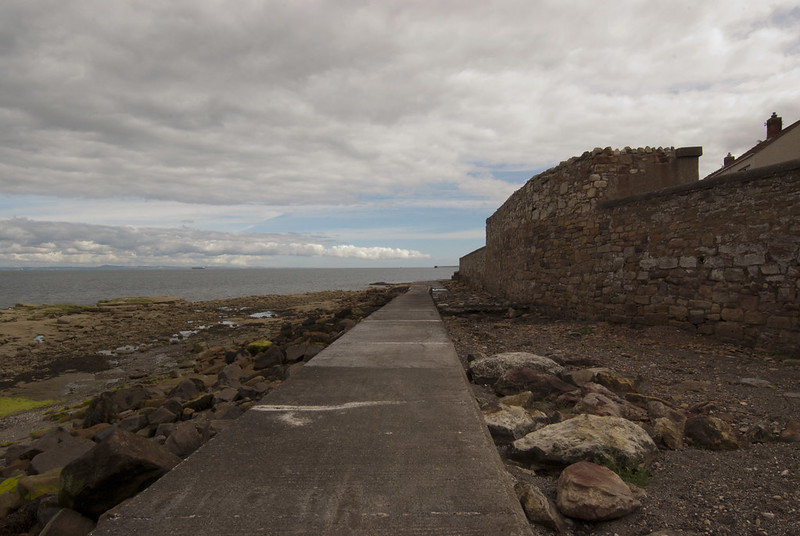
DSC_0018

Behind the baracades

Every available piece of land which is no longer dedicated to ongoing industry, jobs or shopping has been torn down and built on. Modern houses barricaded behind high walls to prevent them being hit by waves and storms. This was green hills and a play area when I was a child.

Rusting bike.
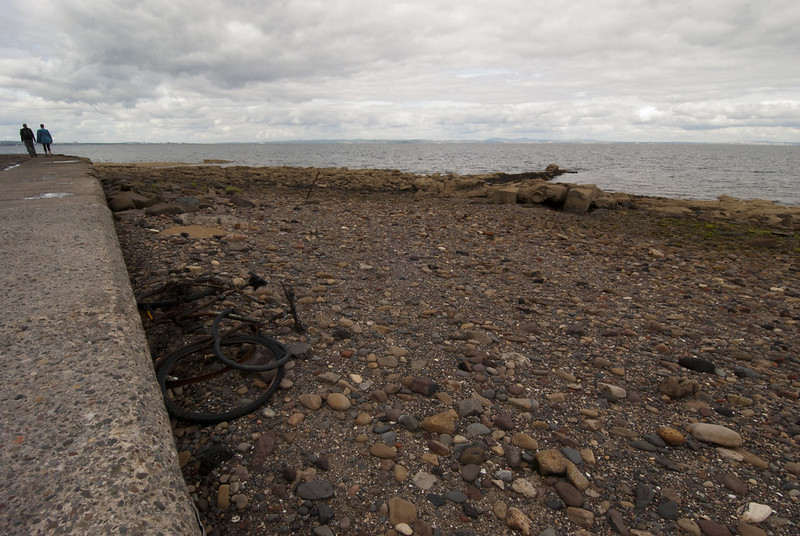
DSC_0034

Bike.

Unlike other parts of the walk in surrounding local town communities, there has not been a sense of urgency in cleaning the beaches and preventing pollution in this area. Walkers and tourists pass by, unbothered at the mess dumped by uncaring locals.

Where the pottery stood in the 1800s.
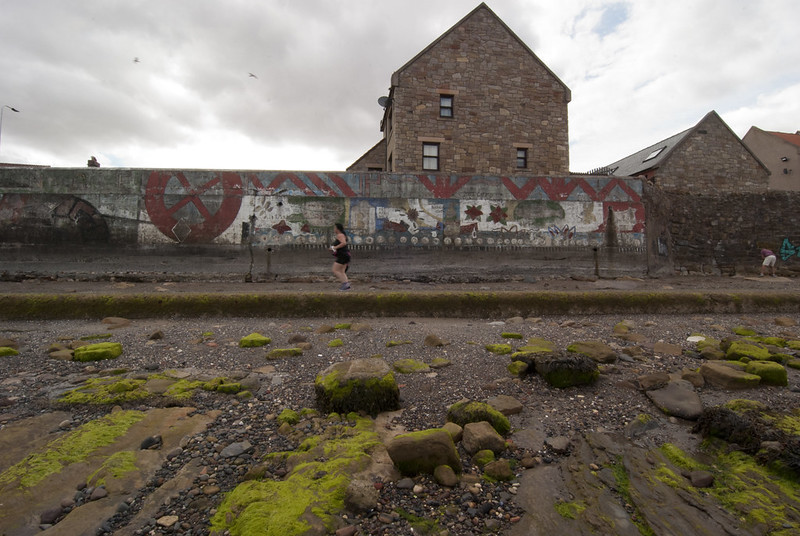
DSC_0039

Rotting history

The location of the pottery had been forgotten until a local builder contracted to build houses started finding pottery shards in the rubble. Work was stopped and the remains examined. It is not known how soon after the last potter died that the original building was torn down, but even now shards can be found along the coastline.  There was a brief attempt to create a resurgence in the history of the town as part of a local diaspora studies project but the murals erected at that time have quickly been left to fend for themselves against the elements.

Broken pipe.
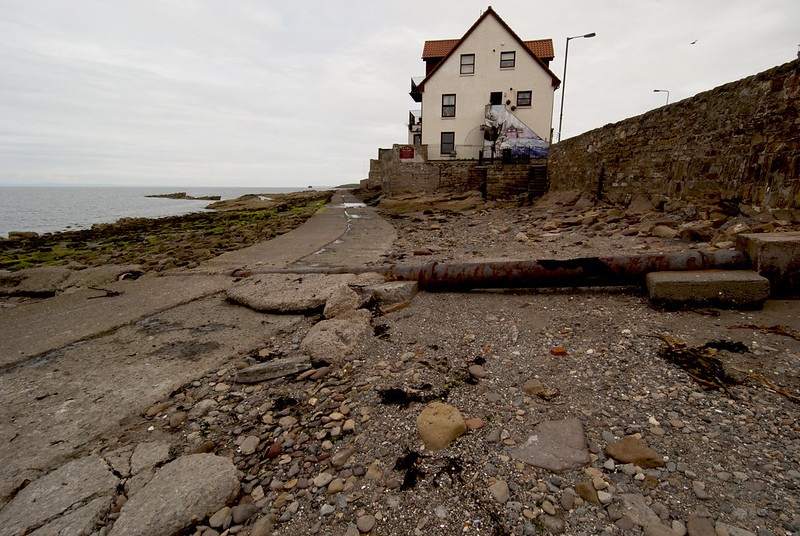
DSC_0049 (1)

Everything is broken

Another example of the human waste pipes which used to carry effluent straight into the sea where people used to fish and swim. Now the pipes are left to crack and fall into the sea in their own time.

Blocked.
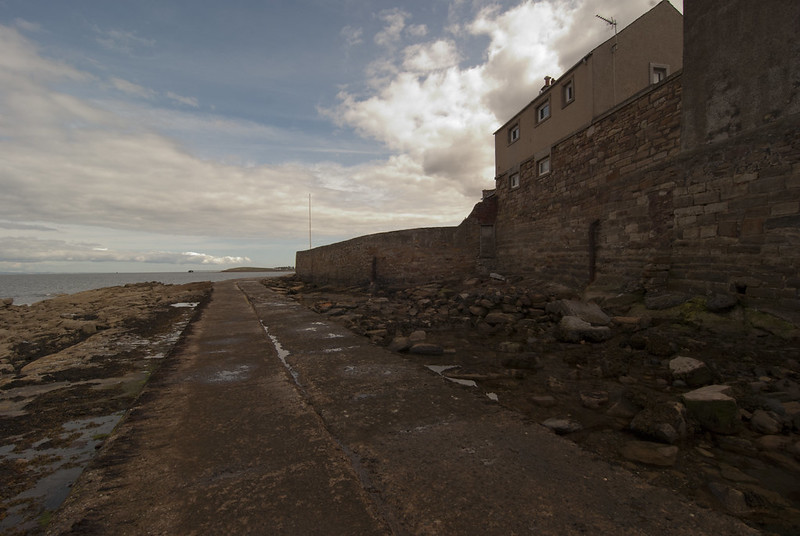
DSC_0054

Bricked up.

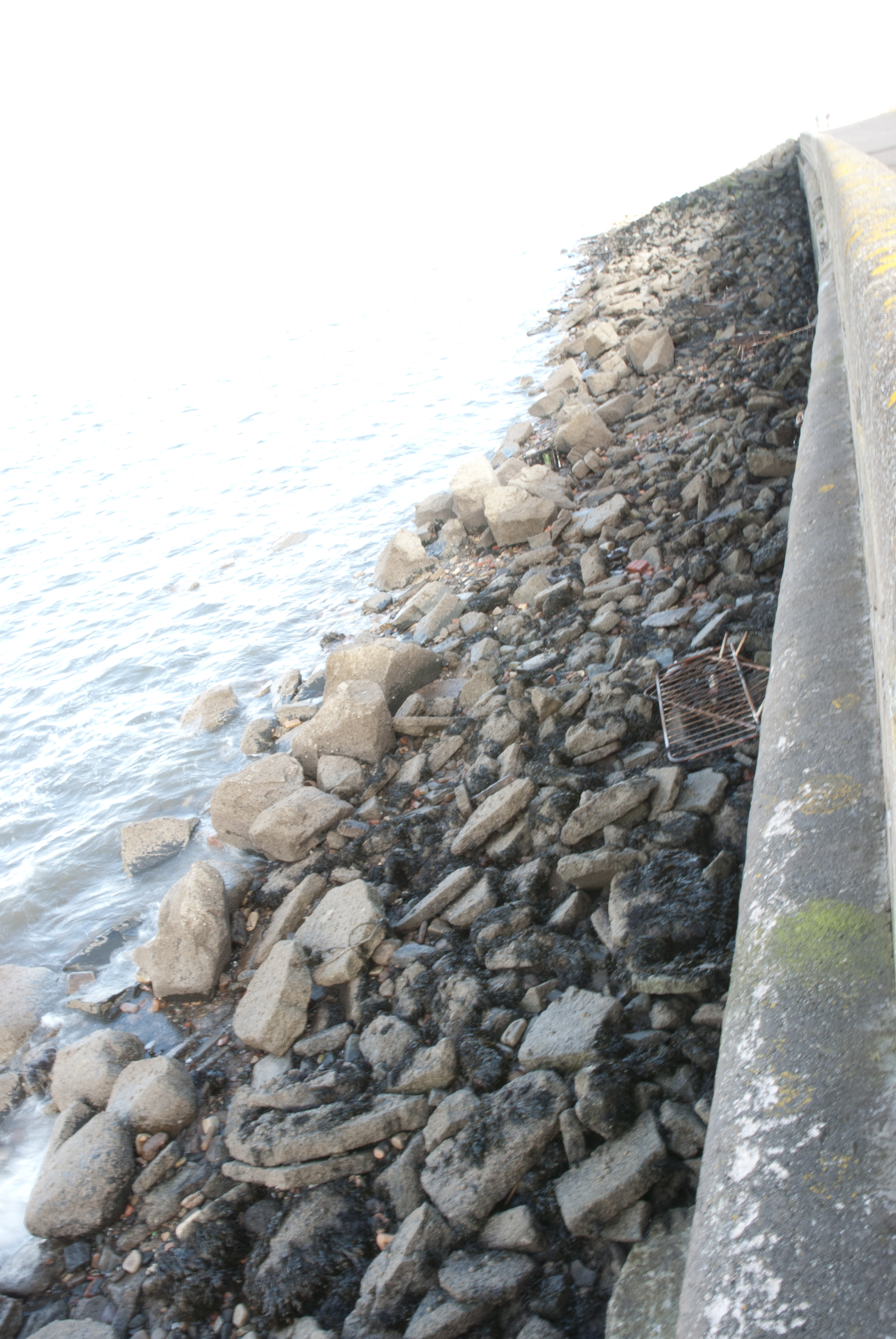
Mixed among the brickwork are the doors, hatches and entryways which were formally used to access the beach for fishing or for access to the salt pans.

Rocks on the beach.
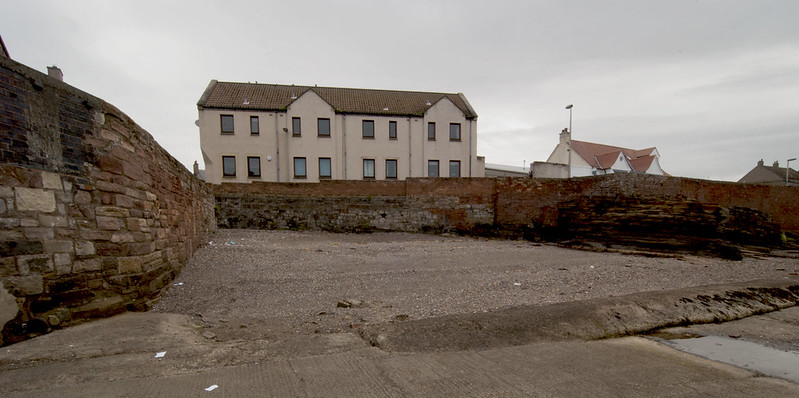
DSC_0035 (1)

Once a port of call.

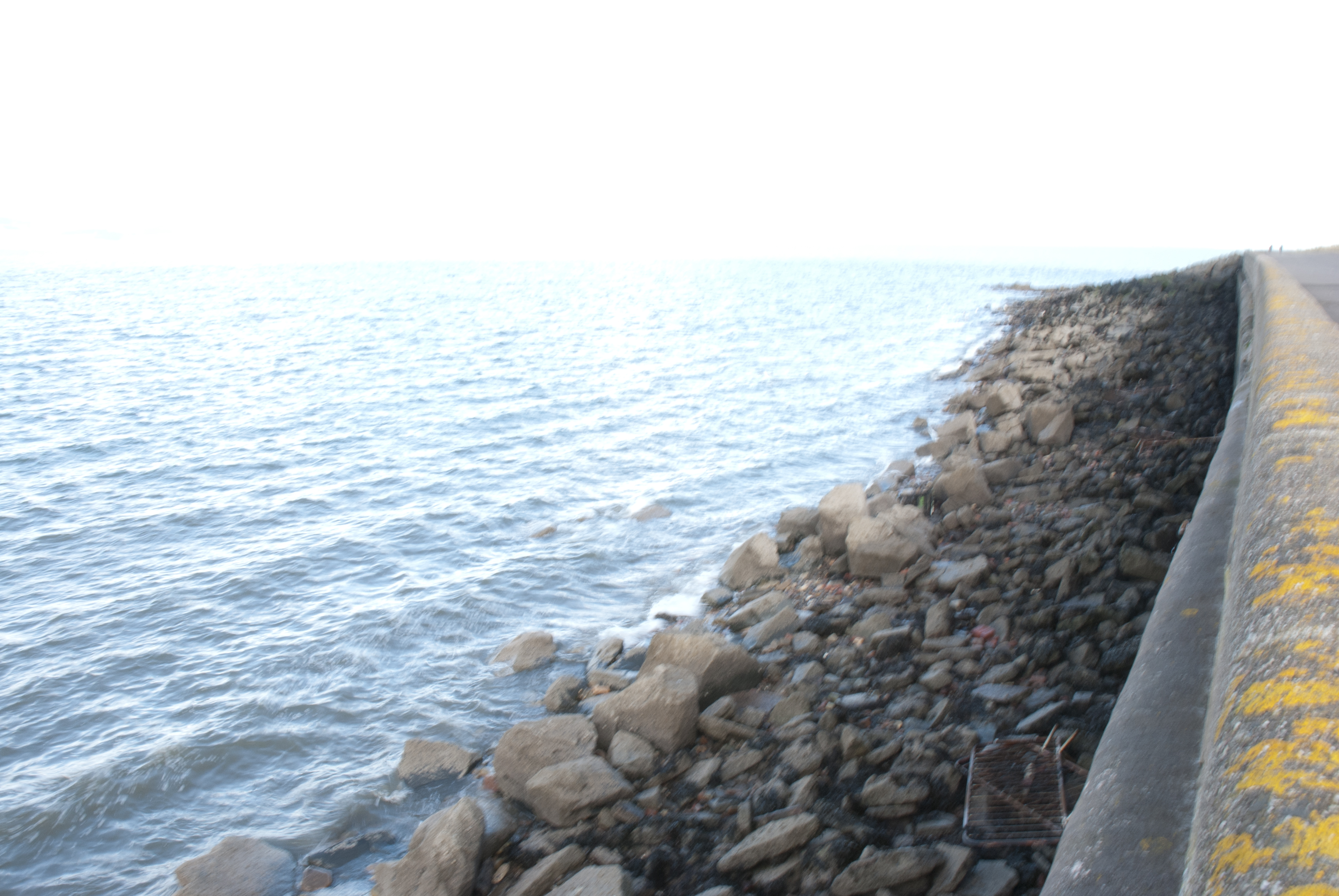
What used to be part of the local harbour protection has been cut off from the walkway, the rocks are now used by the occasional rock pooler or as somewhere to sit and drink during warmer weather.

Behind the shops,

DSC_0066

Former Rockpools.

There used to be twin cottages with boat stores beneath, so that the local fisherman could get out and gather fish for sale locally. The property was bought over, and extensively renovated on television. Meanwhile the backs of the shops continue to deteriorate as they pass from tenant to tenant as businesses start up and close down.

Attempt to revive history.
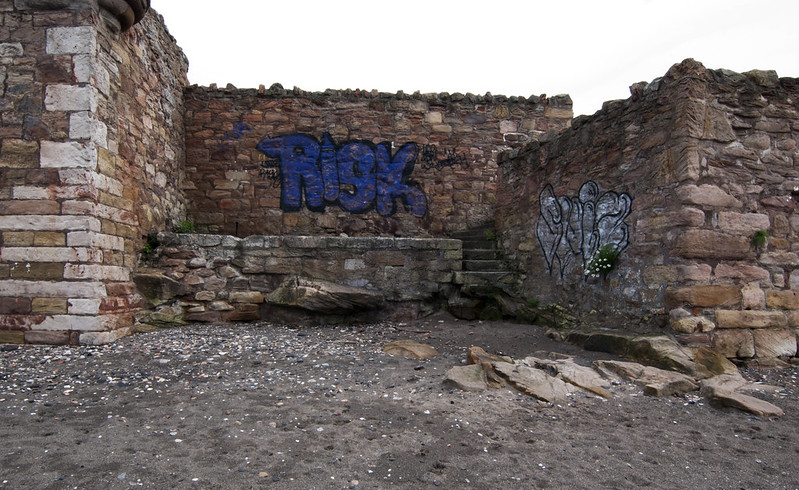
DSC_0018 (1)

Left over.

During the 1960s, there was an attempt to bring back civic pride in the area. A statue was commissioned to represent the three main industries of the town; fishing, mining and salt panning. This was all built around a walkway down onto the coast to encourage people to look out over the water and see a better future. Now it sits, crumbling at the edges, vandalised. The statue ignored while vandalism and graffiti cover the walls with new ‘civic art’.

Bonfire ashes.
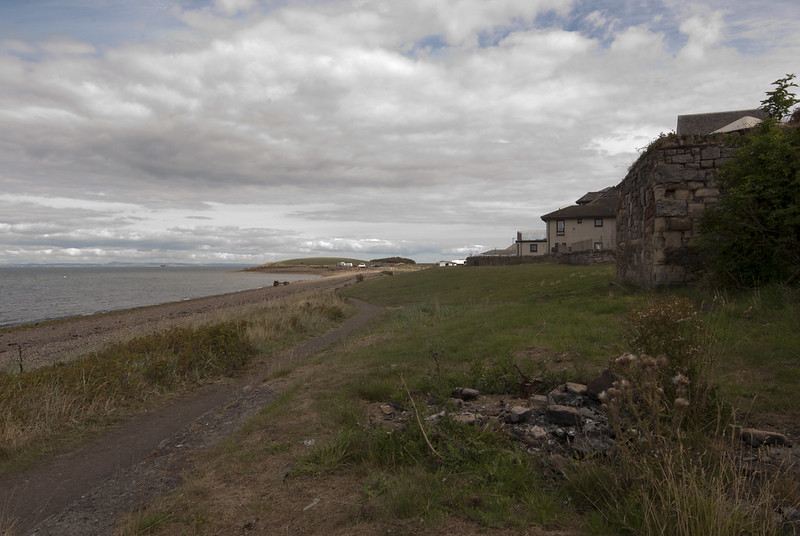
DSC_0085

Ashes.

Here the walkway disappears underground as the land has been pushed down on the coast to allow more house building. Before the houses were built, there was a row of wooden sheds where the fishermen sat and tended their nets. They would tell tall tales of danger in high seas to bright eyed children who stopped to watch them (myself included). I can remember weather beaten hands and faces, woollen hats and the smell of the sea.

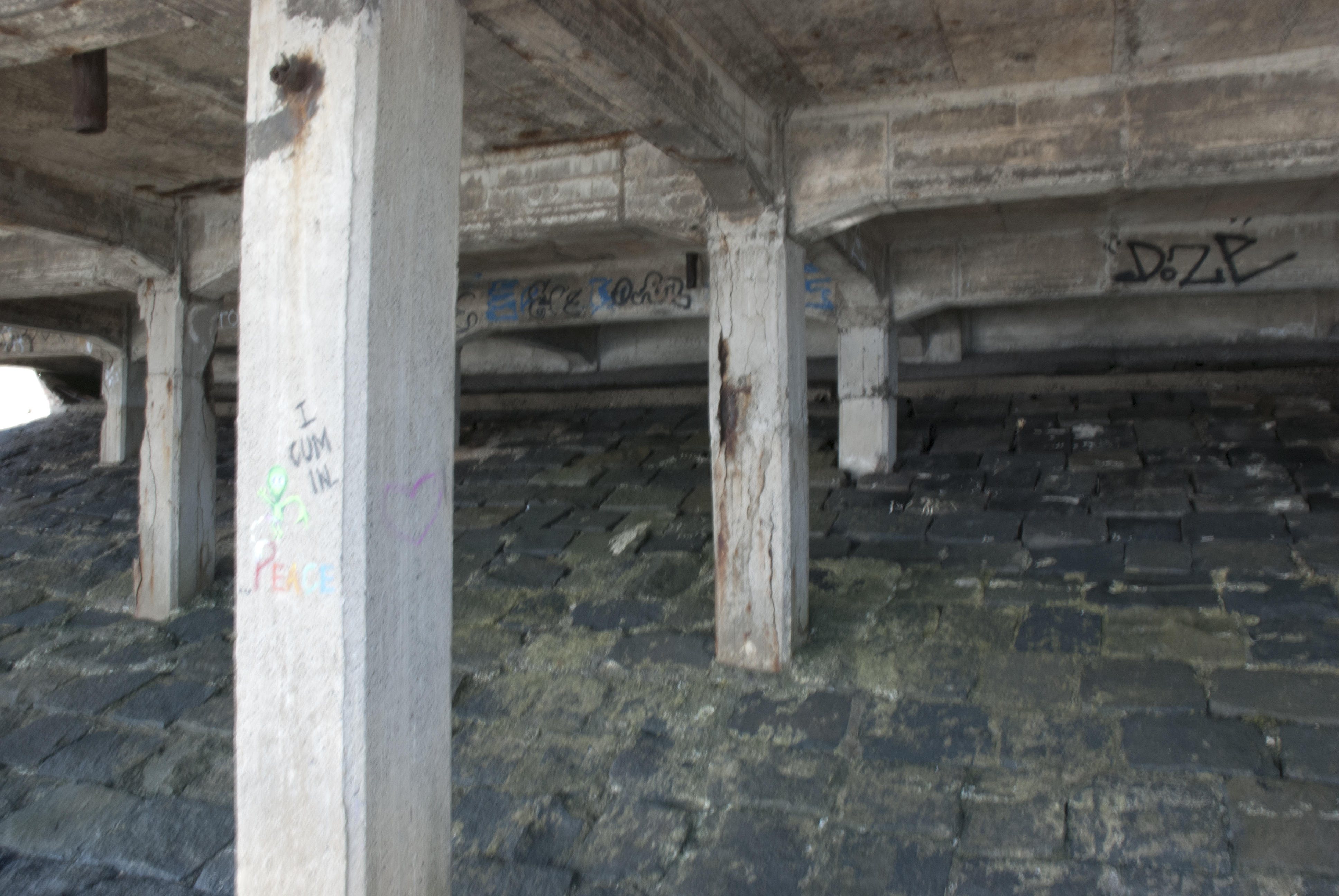
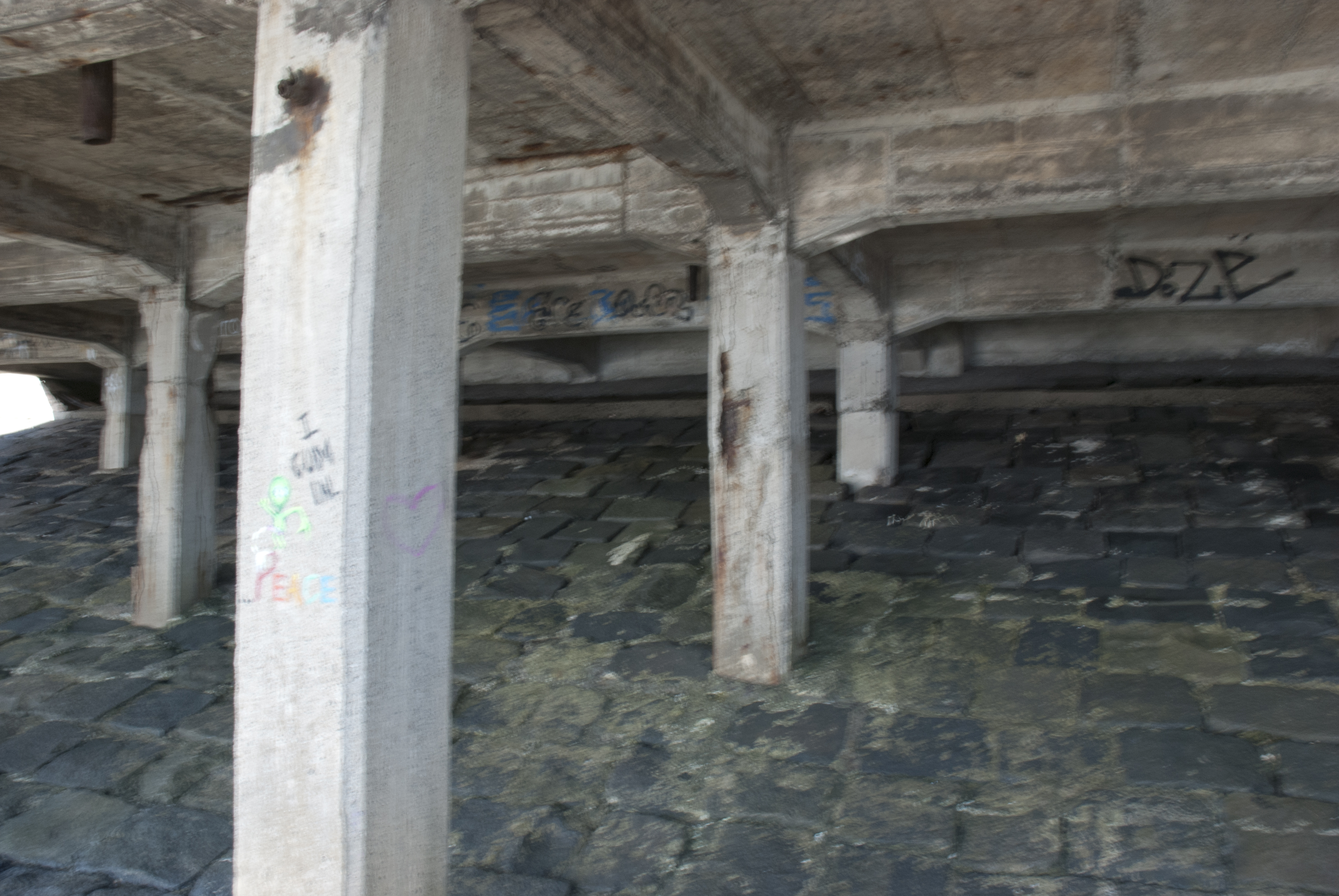
The bones of Reaper II.
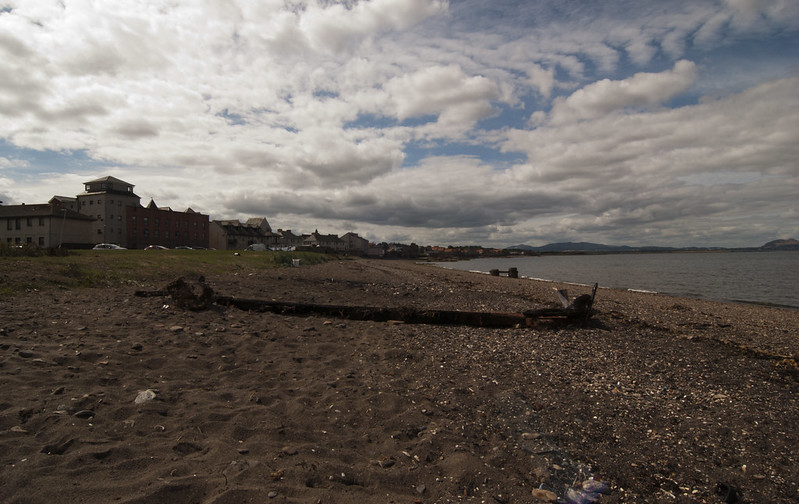
DSC_0091

Reapers Remains.


Recently a boat ran aground during the night. After an attempt to tow the boat back out to sea which resulted in the bow being damaged, the boat was beached and for a short time the owner tried to undertake repairs. After some reported friction with locals and the police, the owner decided to torch the boat and leave. The keel-line and some metal remains are all that is left here at the other edge of town.

Contact Sheet

Here is a PDF of all the images taken for this assignment in contact sheet form. Landscape-Assignment2-ContactSheets . The images chosen and shown above I believe to be the images most expressive of my concept and gives the viewer a journey along the same path.

Conclusion

There were a number of challenges to overcome. First of all the path is not built with mobility in mind and so I had to leave the path at some points and rejoin at others backtracking where I could.

Technical challenges included limiting myself to one lens where the focal depth was 11 to 16 mm; this challenged me as I had to think hard about where I could point the lens and what I was capturing. I deliberately attempted to keep the horizon in the top third of the lens which caused problems in framing a large number of the shots. I had to revisit the locales twice as the first time the lens developed a problem and a number of images were marked with a blue bloom in the middle of the frame.

Communication challenges included the framing of the images and trying to tell the correct story within the framework of a journey. I wanted to keep the images simple but at the same time reflect the psychogeography of the locale. Can I communicate the issues within the town as it struggles with growth and the loss of history both in the destruction of the landscape to build houses but in the rise and fall in interest in the history of the area.

The images that I chose represented the edge land of Prestonpans, as it grows outwards, it rolls over what is underneath, the industries are gone, blocked up and in with bricks formerly produced in the town. As the sea washes away the harbours, fishing beds and remains, the town washes away its past by pushing it to the edge and forgetting about it. I wanted to represent the walker on the John Muir walk and what they see both of the walk and what they pass; do they ignore the area in the rush to get to better views or do they examine and think about what is being lost.

References

Scottish Natural Heritage. 2018. The John Muir Way. [ONLINE] Available at: http://johnmuirway.org/route. [Accessed 24 August 2018].

PrestounGrange. 2018. Prestongrange online. [ONLINE] Available at: http://www.prestoungrange.org. [Accessed 21 August 2018].

PrestounGrange. 2018. Prestongrange online. [ONLINE] Available at: http://www.prestoungrange.org/core-files/archive/scottish_pottery.pdf. [Accessed 24 August 2018].

Wylie, W., 2010. Maze. Steidl

Depardon, R., 2016. Glasgow. Editions du Seuil.

Adams, A., 1995. The Camera (The Ansel Adams Photography Series, No. 1). Bulfinch

Alexander, J., 2015. Perspectives on Place: Theory and Practice in Landscape Photography (Required Reading Range). Fairchild Books.

Assignment 2 – Attempt 1 – The Journey

Concept

After reading the assignment requirements, I first selected a few ideas and jotted them down. After examining a few ideas, I decided to take a journey down part of Edinburgh’s Royal Mile, the intention to examine how the city buildings themselves though they are ever present have pushed back into virtual Edgelands. I planned on doing this by journeying down the single street looking at the how the the yearly festival is changing the perception by visiting the changes in social structure, photographing how the changes made  its effect on history and the value given to the landscape by visitors and locals alike.

Planning, preparation and attempt

While preparing for this; I made a short plan of the journey, the journey was to move from the top of the royal mile, just outside the castle esplanade, down to the Tron building which at one point was one of the main historical boundaries of the city.

Due to the ongoing degradation of sight in my left eye and now the presence of a vestigial cataract in my right eye, along with my mobility issues, it was decided that I should undertake the journey in a wheelchair, mainly due to the concerns of my partner that in such a busy location that I may be knocked over.

Reluctantly I undertook the journey in the wheelchair and it upon three main issues.

  1. Edinburgh is not laid out for wheelchair users and they streets and paths are unpassable due to space or lack of maintenance to the path and road surfaces.
  2. Quite simply during the festival, space is at a premium and locations to shoot images from a wheelchair level were limited.
  3. What I was capturing swiftly became unsuitable for the assignment, mainly as the images captured had too many people in them. It became difficult to photograph the buildings for the people.

After examining the photos, I have decided that I would upload them and publish them to my learning log as it was an idea which ultimately failed as I made up my mind that the idea did not work.

DSC_0002

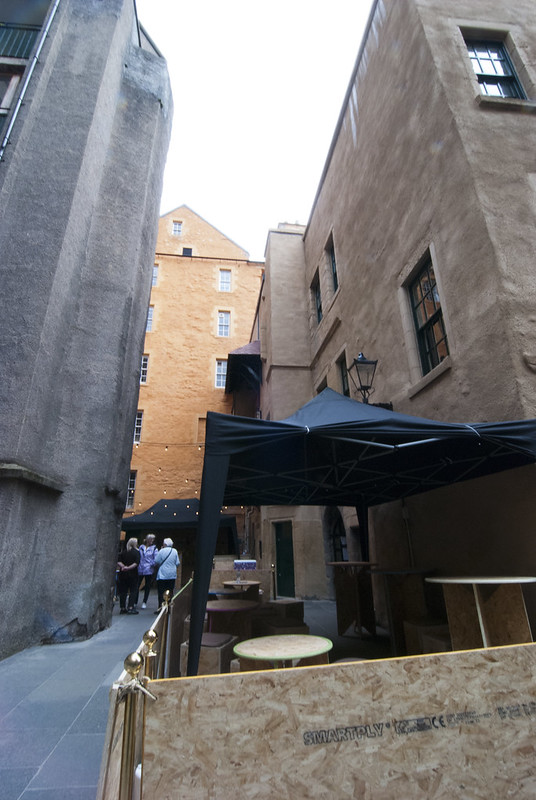
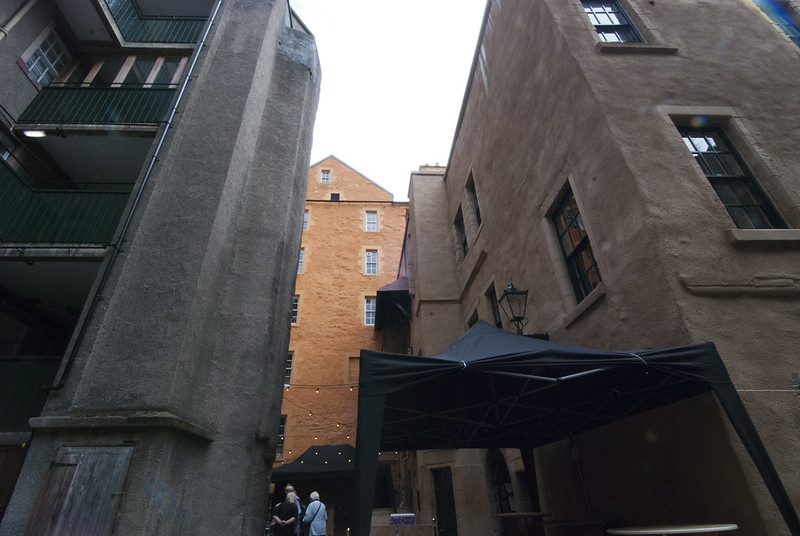
Royal Mile Close – closed for business

Here a historical yard area called a close, has been sectioned off so that an outside entertainmeant area could be created.

Here it can be seen that the original buildings have been ignored so that the small courtyard can be converted and sectioned off.

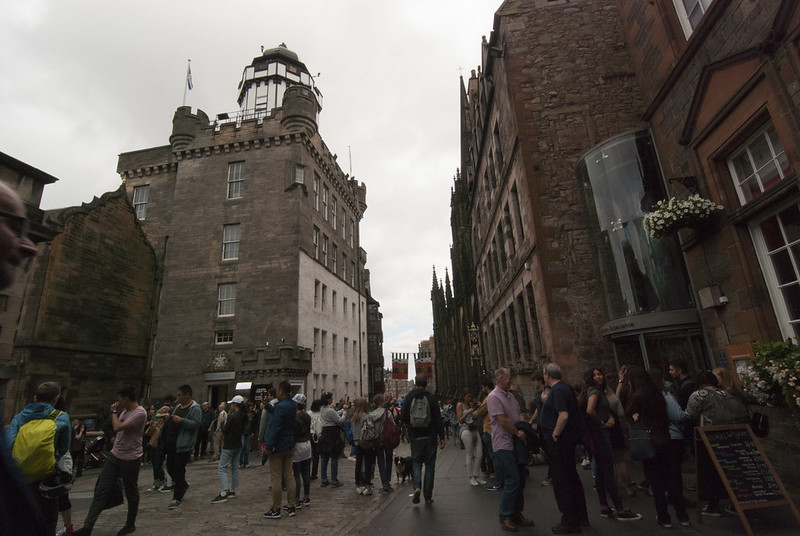
At the top of the Royal Mile sits the camera obscura which has been on this site since 1835. Many people walk passed it thinking that it is nothing more than the first gift shop in the shopping gauntlet which is the Royal Mile.

DSC_0013

Towards the Cathedral

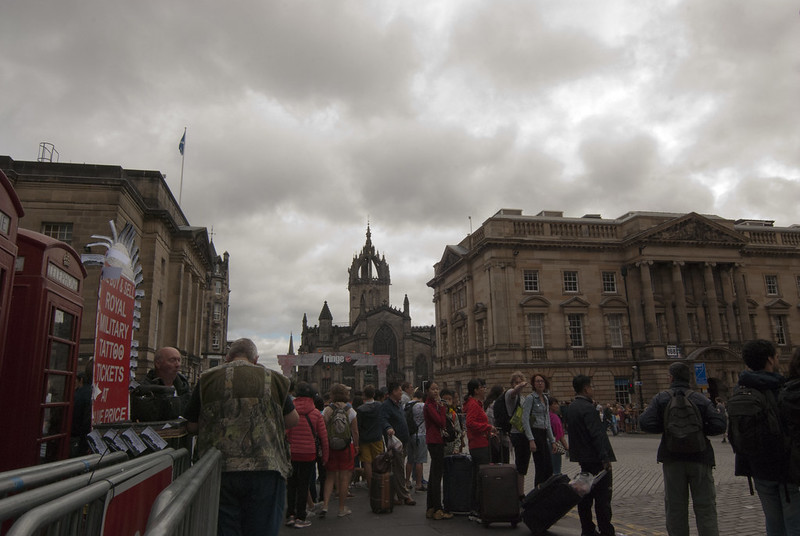
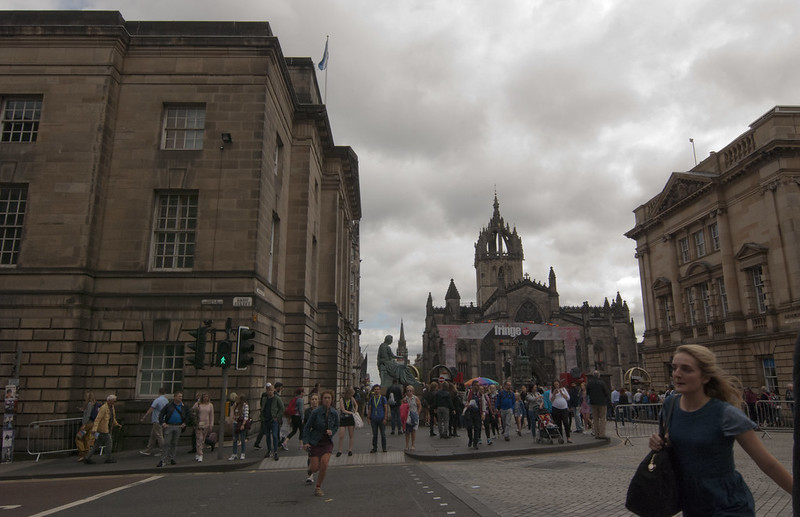
At the first main junction down the Royal Mile, you cross over the mound, and continue heading down the old town. In between the court buildings can be seen the gates to the performance area; a section of road closed to all traffic so that public performances can be made and shows can be touted or leafleted to the passing public.

DSC_0017

The only smooth crossing.

Heading through the crowded junction, we cross the actual mound road. This is only one of two smooth crossings for wheelchair users in the whole of the street. Between people, poor road surface and barriers, the crossings become crowded and at the green crossing signal, it is everyone for themselves.

DSC_0019

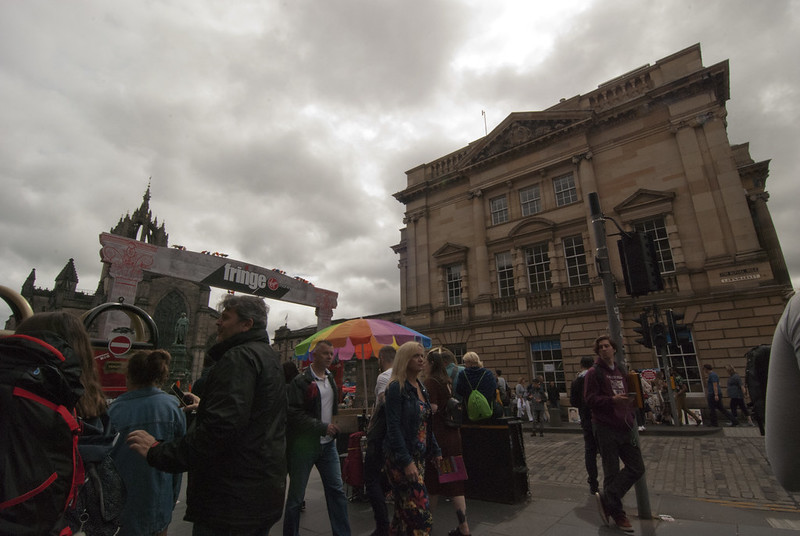
The Fringe Gate.

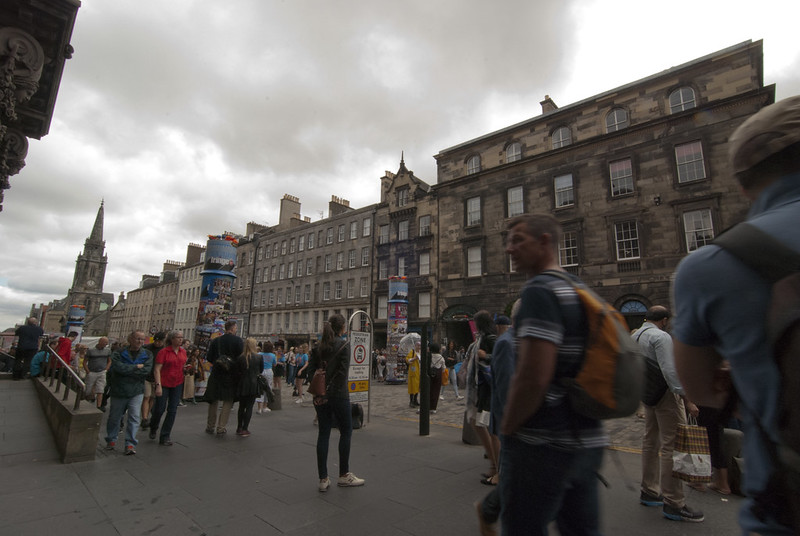
Here compressed between two anti terrorist gates, we squeeze further down the street. Here be performers, leaflets and buskers.

DSC_0024

Chess Anyone?

A man sits dressed as a chess piece challenging passing tourists to a game of chess. Very few look up to see the buildings that surround them.

DSC_0030

Church or Shop

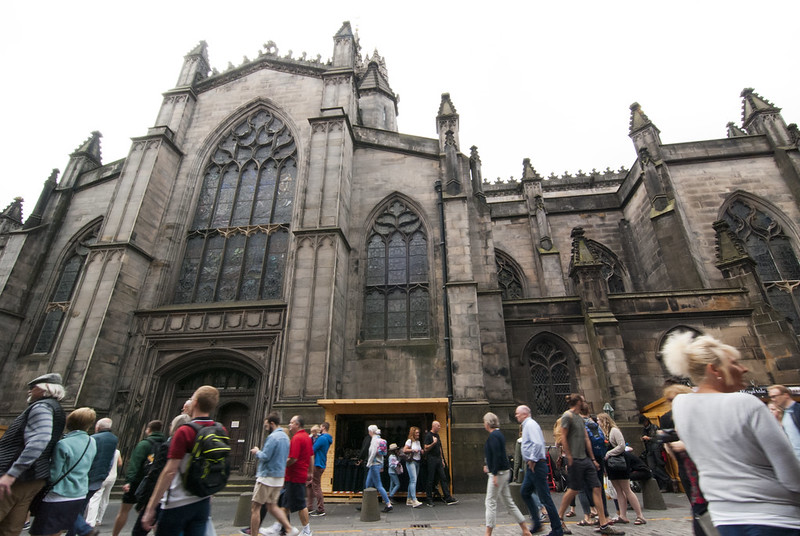
The Cathedral is surrounded, all 4 sides have been given over to commerce and entertainment. Inside hang flags from many historical battles, outside is has been decorated with coloured plastic pigeons.

DSC_0031

Overhead leafleting

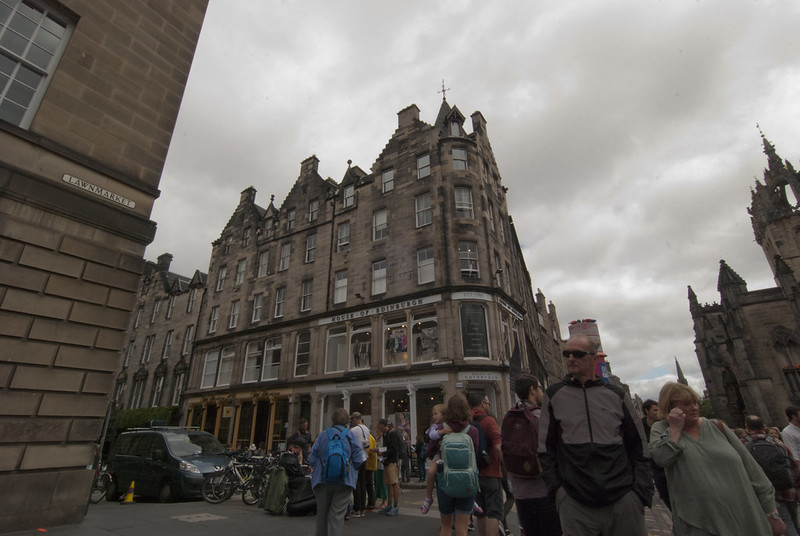
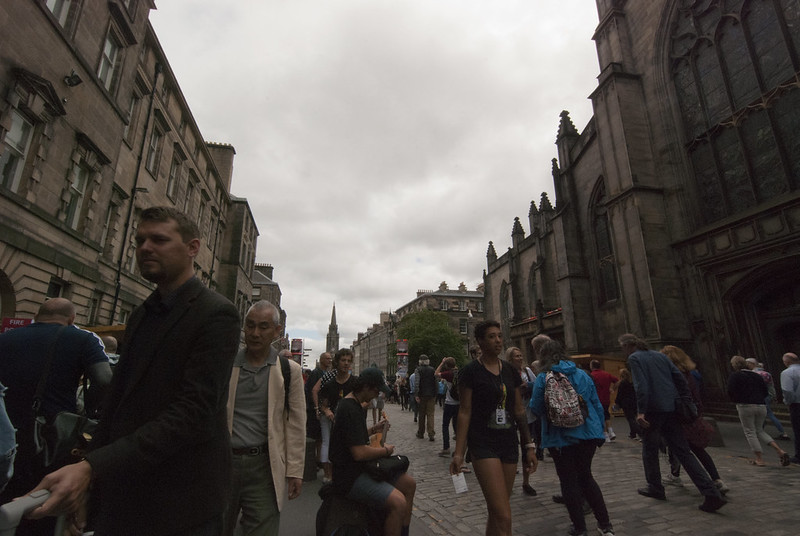
As we passed the crowded pavement at the Cathedral, we passed a large number of people handing out leaflets for their shows at the fringe and festival. Every single person handed a leaflet over the top of my head to my partner.  The journey had soured for me; having been bounced, bashed, sworn at, pushed aside and now ignored, I lost all focus and inspiration for the journey.

DSC_0034

Last Stop

Here we stopped the journey, we were within site of the destination, the Tron church, but I was disheartened and depressed at the journey. What should have been fun turned sour at the lack of the milk of human kindness.

Conclusion

While the idea of a journey was being conveyed I felt that there was little to no landscape or cityscape available and that the part of the city I was journeying through were repeating themselves. While buildings could be seen to be passing, the perceived lack of interaction with the buildings of visitors could not be discerned due to the amount of people and the difficulty in obtaining clear and concise images.

I feel that the images did not gel and the concept was flawed in its design. I shall go back to the drawing board and work out what to do now.

Part 2, Exercise 2.6 ‘Edgelands’

We are asked to read two chapters from the book “Edgelands” by Farley and Symmons Roberts. The two chapters are “Wire” and “Power”, each chapter a self-contained article covering the use and perception of areas of land bordering where the majority live and work.

The book Edgelands gives differing connotations to the term, but the main definition could be; a piece of land or area which is commonly ignored or overlooked by the individual as it is not important or has no particular value, especially indicated where the land or area is  categorised by the industrial or social use of a piece of land rather than its purpose; for example, the edge of town where the ports are located is more likely to be mainly machinery and empty land rather than large-scale housing projects.

Within the chapter ‘Wire’, the reader is presented with the defined border of the edgeland, the wire between field and common land or the chain link border which ran around Greenham common. Here the wire represents a barrier, which can be passed but at what risk to the person. The wire chain link fence is easy to climb but at the top is barbed wire or razor wire and only the brave will risk injury to overcome it. The reader is told of the childhood thoughts of risk passing over the wire, the imagined injury greater than it really was. At Greenham common, the border was both a military and land, the area within the land of the US, where they stored weapons of mass destruction. These weapons were controlled by another type of wire, the wire of the Magnetic Core Memory. Small pieces of magnet woven into a complex weave of copper wire, each pole had the ability to change to a 1 or a 0, but unlike today’s modern Random Access Memory, the wires and cores of Core Magnetic Memory did not require power to hold onto the information, so as long as the wires and core are not damaged they could be powered up years later and still contain the information last written to them.

Memory and wire are explored further in the article, as the wire fence nowadays has become something to which people can connect physical memories to. These padlocks, ribbons, flowers, teddy bears and written tributes are location markers for incidents, for example where someone has lost their life, and as long as these items are not damaged they will conjure up memories to those who created the tributes. The wire stands behind holding these memories so that the weather or the environment can be stopped from moving or removing them.

The second article, ‘Power’, presents edgelands in a different definition and use; the production of electricity. Much like the mill in Constables ‘The Hay Wain’, the power station is hidden from sight, its purpose ignored. Here the edgelands are the marker for industry within the countryside, the cooling towers of the power station represent what can be seen and shown of the industry at the edge of the city or green space. The cooling towers standing in for a large body of water or a wide river. While the wispy clouds of steam drift off; these clouds influence and connect to other artworks. The artists, however, fail to connect to the other side of the power station, the generation part of the industry. The smoke from the stations, blackening the sky similar to the factories painted by Lowrey, for example in his work ‘The Accident’. To those on the Edgelands who live and work there, the smoke is pollution from the station in the form of coal dust and ash, the ever present dust devil from the burning of fossil fuels.

These stations also connect to the article ‘Wire’ as these areas are fenced off from the general public, the workings hidden from view, even the coal being brought in can be hidden in tunnels and structures to prevent the public from remembering what is going on. All stations are fenced to show the boundary of the property and its owner. The fence is another unwelcome side of energy production, stating that only those with permission and a purpose may be allowed within, others are not welcome. Unlike the young drivers at Greenham common and their ever-present and seen military shadow, there is an unseen presence watching the wires and the boundaries. Turn up at a nuclear power station and hang around the edge for a while and finally, the unseen watchers will present themselves in the form of the police from within the station. Power here is protected by another form of power, defense in depth.

References

Roberts, R., 2011. Edgelands. Michael Symmons Roberts, Paul Farley. (s.n.).

The National Gallery, London. 2018. John Constable | The Hay Wain | NG1207 | National Gallery, London. [ONLINE] Available at: https://www.nationalgallery.org.uk/paintings/john-constable-the-hay-wain. [Accessed 31 July 2018].

An Accident | Art UK . 2018. An Accident | Art UK . [ONLINE] Available at: https://artuk.org/discover/artworks/an-accident-205453. [Accessed 31 July 2018].

Magnetic Core Memory – CHM Revolution . 2018. Magnetic Core Memory – CHM Revolution . [ONLINE] Available at: http://www.computerhistory.org/revolution/memory-storage/8/253. [Accessed 31 July 2018].

Core Memory. 2018. Core Memory. [ONLINE] Available at: http://www.psych.usyd.edu.au/pdp-11/core.html. [Accessed 31 July 2018].

Greenham Common – Homepage. 2018. Greenham Common – Homepage. [ONLINE] Available at: http://www.greenham-common.org.uk/ixbin/hixclient.exe?a=file&p=greenham&f=greenham.htm. [Accessed 31 July 2018].

Civil Nuclear Police Authority – GOV.UK. 2018. Civil Nuclear Police Authority – GOV.UK. [ONLINE] Available at: https://www.gov.uk/government/organisations/civil-nuclear-police-authority. [Accessed 31 July 2018].

Part 2, Exercise 2.5 Text in Art

The exercise asks that 12 to 24 brief observations are made during a short walk or journey in a similar manner to Richard Long’s ‘Textworks’. Once the observations have been gathered they are to be presented in the learning log. The student is to examine the manner in which the text is presented as a means of expression. The student is referred to Ed Ruscha, Barbara Kruger, and Mark Titchner

In this journey to and from the dentist, I made the observations onto a notepad; these notes were then typed up at the end of the journey; they are presented as follows

1.

Cars
Bridge

Bridge
Cars

2.

Road flows to
Field flows to
Shore flows to
Sea flows to 
Land flows to
Mountains flows to
Sky


3.

Cyclists bright yellow jacket
Against brown and grey buildings

4.

Statues and seagulls gaze down impassively as I walk slowly by.


5.

Volcanic Stone Crags
Tower over the city

6.

New buildings
Old Buildings
Stopped clock right twice a day

7.

Three colours of grey for the pavement hopscotch all the way to the hospital
Happy tourists, unimpressed locals


8

Sun has gone, rain has come. Faces looking down at phones
Wet pavement reflects shiny shoes.


9.

Amongst the forest of high rise buildings, trees stretch for the morning light


10.

Dark street. Dead end
Bright light. Dentist.


11.

Edinburgh street
Multitude of Windows
An ambulance rushes by
A million points of reflected light


12.

Georgian church on the corner
Graveyard becomes a festival market
4 beggars outside
Church sign says try praying


13.

Overlooked by the castle
3 red buses
3 blue bus
Tram swishes by
1 white bus
Green bus mine


14.

Pass ancient graveyard
People buried halfway up a wall


15.

Princes street distance
Hotel, column, the disgrace
Ignored for the Ferris wheel


16.

Kaleidoscope of colours
Parked tour buses
Behind grows a park
Filled with bushes and the displaced.


17.

Meadowbank
The building declared Art in 15 feet high white letters
Inside insurance and taxes are adjusted
Willowbrae, Flats contents out on the street, the mattress stains a blotch amongst the colours
Home of the part worn tyre sale.


18.

We pass the edges of the city
Poor pushed out to here
New construction mixes with old graffiti
Who will last longest?


19.

The Jewel
Identikit houses, abandoned Asda shopping trolley on 2nd roundabout
The bus takes both lanes on the 3rd roundabout


20.

Wallyford
New houses go up
Gardens are landscaped
The communal pond fills up with rain and groundwater
But the iron framework of the dog racing track continues to rust, never finished


21.

Tranent
Stuck in a traffic jam, or part of the traffic jam?
Looking out of the bus window, I see
Frustrated drives gripping steering wheels or wiping mouths
A happy dog walks by.


22.

Mamerry
Drive slowly it says
School ahead it says
Slow down they say
Man in a van tailgates the bus.
Their hurry over everyone else.
Fields
Industrial park
Fie(sheep)ldes
Hedgerow and bus stops fly past
Express bus now.


23.

Haddington
New house’s float on a bed of brick and concrete, a dream is born it advertises.
Market town, market street, bus stop
Fatigue burns my body, nerve pain drives thousands of fishhooks into my legs pulling flesh. My feet burn, hot coals, shoulders push against crutches; step, breathe, rest, repeat


all the way home.

Part 2 Exercise 2.4 Appropriation and Fair Use.

The exercise is to read the articles indicated, to investigate the work of the artists mentioned and note thoughts on not only the work but the practices of these artists within the concept of fair use, transformative works and the near boundaries of copyright.

Michael Wolf moved from Hong Kong to Paris but found that the city lacked the rapid change of architecture which he was used to in Hong Kong. He also felt that the city had already been documented by Atchet through his street photography. Wolf then used Google Street View to start to look at the outlying areas of Paris, he was able to quickly explore whole suburbs and banlieues without having to physically visit the areas. By using street view he was able to see an unemotional and nonjudgmental view of these locations which had been captured by the mostly unacknowledged cameras. These views are a microcosmic view of the location, examining microcosmic events; events which will have no effect on causality. No big historical events will be caused by the actions captured by street view.

Google street view could be considered a highlight in machine age photography. Cameras mounted on cars, bikes or backpacks automatically capture images around them without human intervention and for the most part, these images are uploaded and displayed with little to no editing. Wolf examines, selects and crops these captured images and through appropriation creates a different scene and narrative. As these images are machine captured, Google has chosen to release the content for fair use and attribution on a non-commercial basis, thus allowing artists to create works based on these images.

Doug Rickard uses street view to examine the edges of society, on the perimeter of suburban and industrial borders, the wastelands left behind by the American Dream, the subjects of these images are people who have fallen while trying to grasp the “Brass Ring” and have landed in a broken landscape filled with broken dreams and broken people. Unlike the subjects of Robert Franks’ “The Americans”, these people are unrepresented in society, their road trips unseen part from in Mike Brodie’s “A period of juvenile prosperity’, and Emily Kasks’ “Dirty Kids”.

Marc Quin, after purchasing the rights to the iconic image of a rioter and by fair use has reinterpreted the image in tapestry. Quin using threads to create a one knot to one pixel translation. This has allowed Quin to reinterpret the image and present it in a less confrontational surrounding. The tapestry has softened the image and by his appropriation created a new work where the rioter is presented in an older, softer format.

Richard Prince is a self-titled “Appropriation Artist” who uses the courts as an extension of his works. Prince could be seen as using the appropriation to push the boundaries on the understanding of copyright in the digital age, where images are taken, presented and forgotten about. Prince takes these images as transformed works of art. Prince pushes these boundaries of fair use, copyright law and appropriation in an attempt to clarify what is and what is not fair use. Through the last three court rulings, Prince has been found not to have transformed some of his works enough and the original copyright holder has won against Prince. From these rulings, it can be seen that Prince continues to appropriate works and that he has become a professional copyright troll. It can also be viewed that he is trying to find the outer limit in a digital society and that he is questioning whether there is a difference between digital and physical versions of the same image.
The main points of the exercise are to examine the differences between fair use and transformation and to get a sense of the good and the bad practices and where the boundaries exist and to be aware of the movements of these boundaries.

References

The Guardian. 2012. Mike Brodie Juvenile Train Riders. [ONLINE] Available at: https://www.theguardian.com/artanddesign/2013/mar/30/mike-brodie-juvenile-train-rider-photosinterview. [Accessed 9 July 2018].
#weareoca. 2018. Who’s Afraid of Appropriation? – #weareoca. [ONLINE] Available at: https://weareoca.com/subject/fine-art/whos-afraid-of-appropriation/. [Accessed 11 July 2018].

Part 2 Exercise 2.3

In this exercise, we are instructed to read Sean O’Hagan’s article on the 1975 New Topographics exhibition and watch a video of Lewis Baltz. We are then asked to write down responses to the work of any of the photographers mentioned in the O’Hagan article and thoughts on typological approaches.

O’Hagens Article

https://www.theguardian.com/artanddesign/2010/feb/08/new-topographics-photographs-american-landscapes

O’Hagen examines the influence of William Jenkins’ 1975 exhibition, where he considers the work exhibited to be the linchpin in a turning point in Landscape photography. Jenkins Exhibition brought together a number of photographers who knew each other and who had influenced each other but the exhibition should not be considered as a “collective”. These ‘New Topographics’ allowed photographers to shift their approach of documenting the landscape. Instead of a capturing the romanticised view of the American Landscape, this approach focused instead on the changes made by man on the environment and on how society was exploiting the landscape and the environment.

By focusing on the man-made changes and the encroaching urbanisation and suburbanisation of the land, they documented the unspoiled wilderness of the ‘new frontier’ of Adams and O’Sullivan which was now being sullied and destroyed by the construction of water towers, parking lots, fuelling stations and roadside diners and drive-throughs.

The “New Topograhics” approach of constructing a narrative and vision by placing the image within the frame and isolating it allowed the geometric shape of the structure to be viewed as a shape and to show the viewer something which they regularly see but ignore. By then repeating the same view, angle and post production it shows the rhythmic shape of the narrative, enhancing it bringing to view the things constructed by man that man then ignores.

The ‘New Topograhics” approach can be identified in works such as ‘Ed Ruschas’ “Every building on Sunset Strip”. While this work does not sit tightly with the aesthetic approach outlined by ‘Bernd and Hilla Becher’ it does present a social view of anonymity and abstraction.

Closer to the Becher’s aesthetic and mentioned in O’Hagens article are the works of Frank Gohlke, Robert Adams, Stephen Shore, Lewis Baltz, Nicholas Nixon, Andreas Gurtsky and the aforementioned Bechers. These photographers wanted to create a family of motifs, a pattern of experiences which the viewer experiences sequentially as they view a network of photographs of objects which have been divorced from their original purpose and everyday function.

Andreas Gurtsky.

Gurtsky is a student of Bernd and Hilla Becher and has cultivated the aesthetic response of the Anonymous Sculpture. Gurtsky tries to draw the viewer away from the transparent notion of representation by purposefully avoiding context and association.

Gurtsky uses a system of rigorous  procedural rules; standardised format and ratio, near identical lighting and a consistent approach to colour, which is a step away from the Becher’s restricted use of black and white photography, as does his use of a higher vantage point which creates a fantasy world, full of human creation but without the human representation.

While Gurtsky could be interpreted as cold and unfeeling, it can be seen that even within the frame he uses the technique of rhythm and repetition to present his view. ‘Rhein II’ is a prime example of this.

Frank Gohike

Gohike as a contemporary of the Bechers, worked on landscapes where man-made constructions competed with nature. He examined how this competition created a frame through which could be seen the way that man has marked the landscape with his own constructions. Grohike frames this aesthetic so that for the most part the suburban or industrial landscape stretches off into the horizon, leaving little room for nature. This scale creates an imbalance in the viewer and questions the viewer’s perceptions of the items within the frame. ‘Grain Elevator and Lightning Flash, Lamesa, Texas, 1975’ is a prime example of Grohike’s work. Here he uses the monochromatic zone approach and values,  which is characteristic of the work of Ansel Adams, to give depth to the scene, but unlike Adams, Grohike focuses on the man-made changes which have created the new landscape.

Like Gurtsky, Grohike for the most part does not represent people within the frame, instead choosing to represent the landscape as a fluid and dynamic relationship with the forces acting upon it, whether they be man-made or natural.


References

The Guardian. 2018. New Topographics: photographs that find beauty in the banal | Art and design | The Guardian. [ONLINE] Available at: https://www.theguardian.com/artanddesign/2010/feb/08/new-topographics-photographs-american-landscapes. [Accessed 03 July 2018].

Media Art Net | Ruscha, Ed: Every Building on the Sunset Strip. 2018. Media Art Net | Ruscha, Ed: Every Building on the Sunset Strip. [ONLINE] Available at: http://www.medienkunstnetz.de/works/sunset-strip/. [Accessed 03 July 2018].

Tate. 2018. ‘The Rhine II’, Andreas Gursky, 1999 | Tate . [ONLINE] Available at: http://www.tate.org.uk/art/artworks/gursky-the-rhine-ii-p78372. [Accessed 03 July 2018].

Andreas Gursky | home. 2018. Andreas Gursky | home. [ONLINE] Available at: http://www.andreasgursky.com/en. [Accessed 03 July 2018].

Places Journal. 2018. Frank Gohlke: Thoughts on Landscape. [ONLINE] Available at: https://placesjournal.org/article/frank-gohlke-thoughts-on-landscape/. [Accessed 03 July 2018].

Photography and the Limits of the Document Symposium: video recordings | Tate. 2018. Photography and the Limits of the Document Symposium: video recordings | Tate. [ONLINE] Available at: http://www.tate.org.uk/context-comment/video/photography-and-limits-document#open240431. [Accessed 03 July 2018].

YouTube. 2018. Photographer Donovan Wylie on his Outposts series – YouTube. [ONLINE] Available at: https://www.youtube.com/watch?v=VQekhfX73zE. [Accessed 03 July 2018].

YouTube. 2018. Photographer Donovan Wylie on the Maze series and his influences – YouTube. [ONLINE] Available at: https://www.youtube.com/watch?v=naoxP-iLvqU. [Accessed 03 July 2018].

Part 2 Exercise 2.2

The exercise asks that the student chooses a Road Movie and then writes 500 words on the Narrative of the Landscape within the movie.

I chose the Sam Mendes film “Road to Perdition”;

Landscape Narrative – Road Movies – Road to Perdition.

American road movies come out of traditional storytelling which can be traced back to Homer and the Iliad; the main characters of the story undertake a journey where they will have to make choices and face the consequences of decisions made. In Sam Mendes “Road to Perdition”, a father is hiding his mobster life from his family and must go on the run with his surviving son when his wife and other son are murdered because the surviving son witnesses his father and a colleague gun down some men.

Father and son undertake a physical and emotional journey, as the emotionally repressed father tries to save his son and prevent him from becoming like him. In doing so, on the journey the father opens up emotionally to the son and they finally connect.
Mendes uses a number of motifs within the film, but here we will concentrate on only two; water and the landscape. Water in the film is present as a lake, snow, rain and ice and they all represent life and death and the inability of man to change his fate. Landscape is used to represent not only the emotional state of the two main characters but also the narrative boundaries of the tale.

In the beginning, as they start the journey, the landscape is barren and flat, much like the emotional state of the characters. They pass empty fields and empty crossroads. They could deviate at any point, go away from the road and cross the fields abandoning the quest but instead they push onwards through the night into the city. The city is bright, busy and bold, the buildings surround and dominate the landscape and now the roads are filled with cars and the pavements crowded with people. It closes in on them, but at the same time, defends them as they are hard to distinguish from everyone else in such an identikit landscape, full of identical people performing identical tasks. Forced back out of the city, they start to cross the American landscape, which begins to appear like the paintings of Edward Hooper, even the characters themselves when dining look like his paintings. On the run, the two main characters come to the decision to fight back and the landscape reflects that decision by the representation of a piece of road lined on either side by trees. Here, the decision made, the other choices have been discarded and their fate set; now thoughts of abandoning the quest are discarded and the only path is forward.

The film is book ended by a body of water, the same body of water that the son is drawn to and viewing when his father’s fate catches up with him, mortally wounded by his assassin, he tries to clutch at a gun on the floor. His son hearing the shot arrives and picks up the gun but cannot shoot the ‘weegee’ like hit-man. His father understanding that he has succeeded and that his son will not follow in his path, manages to take a gun and kill the hit-man. The sunlit lake becomes the final scene, the sunlight over the water representing a positive future for the son.

The second part of the exercise asks the student to undertake a journey and document the landscape.

In this exercise, I chose to take a trip down to Cove Harbour, where in October 1881, there was a Fishing disaster where 189 fishermen perished in a severe storm.

This is my journey from the village down to the harbour, I had intended on taking these images in good weather but a sea haar still remained on the coast. Continuing with the challenging conditions under foot for me, I decided to photograph anyway in the unusual conditions as I felt that it was a good experience.


References.

IMDB. 2002. Road to Perdition. [ONLINE] Available at: https://www.imdb.com/title/tt0257044/. [Accessed 4 June 2018].

Part 2 Exercise 2.1 Territorial Photography

The object of the exercise was to read, note and summarise the main points of Snyder’s essay. The second part of the exercise is to choose a photograph from the two photographers in the essay and show how they fit into the notes made.
Snyder opens his essay with the puzzle of where photography fitted into the arts due to its infancy and in the manner of picture making as it was seen as non-traditional. As there was an evolving belief that photographs were different from fine art techniques, the technique and practice of picture making became more realistic and the appearance of the image made them machine-made rather than traditional man-made. This allowed photographic practitioners the freedom to make images of their own choice and, hand in hand with advances in technology, mass printing of images created postcards and prints of existing known landscapes and views.
These first landscape photographers composed their scenes based on the compositions of landscape painting. They did not frequently step out of these boundaries when composing photographic landscapes. Their work was mainly personal and not for mass consumption. With the burgeoning of photographic image factories there was a need for the creation, print and sale of architecture, travel and landscape prints, usually created by the commercial photographers who did not come from the fine arts background and who therefore were not bound by the rules of composition, but they were bound by the simple fact that as they could not add in anything to add to the aesthetic, they instead had to capture what was in front of the lens.

Synder then proceeds to discuss the work of two landscape photographers, Carleton Watkins and Timothy O’Sullivan. Watkins was able to define himself by the use of extremely large negatives. E, each 20 by 24 inch image allowed him to capture stunning images of the American West. His Yosemite images made him an international name and his work is held as a standard for his fellow photographers in the American West.

Watkins work is seen as a perfect reproduction of a sight or view. A that anyone who visited the spot would see exactly what Watkins photographed, as was Watkins intention. Watkins was commissioned for the California Geological Survey where his photographs would be used to visually record details mainly for use as scientific evidence for the mining and lumber industries. Following this commission, Watkins worked with the Pacific railroads again recording evidence of the progress they were making in civilising the West. Watkins was able to sympathetically capture the brutal progress that these industries were making on the landscape; using the combination of man-made shapes against the natural environment. Watkins would then tend the image, reducing the tonality so that the middle tones of light and dark became the image’s main point of aesthetical pleasure. Watkins carefully balanced and harmonised his images to control the immensity of his landscapes, creating a view of the American West as an open, inviting, peaceful and beautiful landscape, ready to welcome the covered wagons of settlers.

Working at the same time as Watkins was Timothy O’Sullivan. O’Sullivan had already established himself as a field photographer due to his work as a civilian photographer with the Army of the Potomac.

O’Sullivan accompanied geologist Clarence King on a civilian mission to scientifically map and inventory the American West. O’Sullivan worked alongside scientists, mining engineers, lumbar specialists and land management specialists and viewed his work as mainly record keeping for scientific purposes rather than for public purchase and viewing. It could be said that his images were starker so that Congress who funded these expeditions would continue to fund them. Certainly, King was happy with O’Sullivan’s images stating that they were “generally descriptive” of the areas visited by the expedition. Snyder views O’Sullivan as the antithesis of Watkins, describing his images as contra-invitational, viewing the landscapes portrayed in the images as stark, unsettling and unwelcoming. O’Sullivan’s landscapes are unique as they identify the landscape as the enemy of civilised man, in complete opposition to the work of Watkins. Certainly, some of O’Sullivan’s work can be seen as the photographer versus the landscape, conquering the great unknown to single handily catalogue the unknown west. It can be viewed however that O’Sullivan had a lighter side, shown in Hot Springs Cone (1869) where the head of an assistant sits disembodied atop a mound of rock. The rock cone is hollow and the assistant standing inside the cone tips his head out, a” look at me mum” moment captured by O’Sullivan perhaps to lighten a long and stressful day.

Mainly O’Sullivan used people to highlight the enormous scale of his views, counteracting the human against the volume of stone, water and sky which outweighs him. O’Sullivan carefully balanced the dark and light tones within his images to ensure that he captured both big sky as well as the enormous land below.


Analyse one image from each of the named photographers.

Carleton Watkins


Caleton Watkins Best General View Yosemite Valley

Best General View Yosemite Valley – Carleton Watkins


This is a good example of Snyders point regarding Watkins depiction of the American West, the landscape here is open and welcoming. The ground is rising to meet the viewer and the valley is pristine and clean. A waterfall can be seen in the midground demonstrating that the land is habitable and the valley itself is bright and non-threatening. Watkins has ensured that there are no deep dark tones within the valley and the whole image is a clean commercial image which will be easy to print and sell. It is as Watkins stated an accurate record detached from artistic endeavour and is non-interpretive as a “mechanical record” of the landscape can be. This image is reminiscent of the work of A.B. Durand who was painting the Appalachian mountains in the same period, however, Durand’s work is a more idealised landscape rather than Watkins truer representations.

Timothy O’Sullivan


1994.91.134_1.tif

Canon de Chelle. Walls of the Grand Canon about 1200 feet in Height.


Timothy O’O’Sullivan’sandscape here has no real commercial resale value for mass public printing, it shows a landscape where people are dwarfed by the unwelcoming rocks which surround them. O’Sullivans’ image has dark heavy tones throughout and parts of the landscape hide in shadow, unseen to the eye. This is a prime example of Snyders claim that the work is non invitational, here the surveys team tents are tiny wooden and cloth constructions, temporary and insignificant against the rock which looks ready to cartwheel down and crush them.

Conclusion.

Looking through the collections of Watkins and O’Sullivan’s work it can be shown that Snyder is correct in his assessment of the work of both men during this period. However, there are a number of O’Sullivan’s works which deviate from Snyders claim that his work is less invitational that Watkins; as these images show a stark beauty to the landscape which with a little viewing can be seen to be more open and welcoming than when first assessed.

References.

J., W., 2002. Landscape and Power. University of Chicago Press.

Repository.asu.edu. (2018). Timothy O’Sullivan as seen by Ansel Adams in the 1930s. [online] Available at: https://repository.asu.edu/attachments/108263/content/JSA_VOL2_NO2_Pages162-179_Salvesen.pdf [Accessed 30 Apr. 2018].

Rod Giblett (2009) Wilderness to wasteland in the photography of the American west, Continuum, 23:1, 43-52, DOI: 10.1080/10304310802570866

The Photographs of Carleton Watkins. 2018. The Photographs of Carleton Watkins. [ONLINE] Available at: https://www.carletonwatkins.org/. [Accessed 30 April 2018].

Smithsonian American Art Museum. 2018. Timothy H. O’Sullivan | Smithsonian American Art Museum. [ONLINE] Available at: https://americanart.si.edu/artist/timothy-h-osullivan-3600. [Accessed 30 April 2018].

The J. Paul Getty in Los Angeles. 2018. Timothy H. O’Sullivan (Getty Museum). [ONLINE] Available at: http://www.getty.edu/art/collection/artists/1892/timothy-h-o’sullivan-american-about-1840-1882/. [Accessed 30 April 2018].

Author: Kevin J. Avery. 2018. Asher Brown Durand (1796–1886) | Essay | Heilbrunn Timeline of Art History | The Metropolitan Museum of Art. [ONLINE] Available at: https://www.metmuseum.org/toah/hd/dura/hd_dura.htm. [Accessed 01 May 2018].


Assignment 1. Beauty and the Sublime. 

Interpreting the brief

The brief for this Assignment reminds you that it may feed into Assignment 6 at the end of the course. The brief here is open for some interpretation as it asks for between 6 and 12 images which convey from the photographers’ point of view, beauty and sublime.

The terms beauty and sublime have over the years had a number of definitions and the terms themselves have broadly lost their artistic values due to misuse and misinterpretation. One only has to look at the number of different uses and identities that Sublime has within the book ‘The Sublime’ to see how devalued the word has become.

I wanted to return to the ‘as near as the original’ definitions as possible for applying them to my interpretations on landscape photography

In this series of pictures, I settled on trying to capture some of the imbalance as described in Exercise 1.9. I wanted to see if I could get both sides of a social contrast within a single scene.

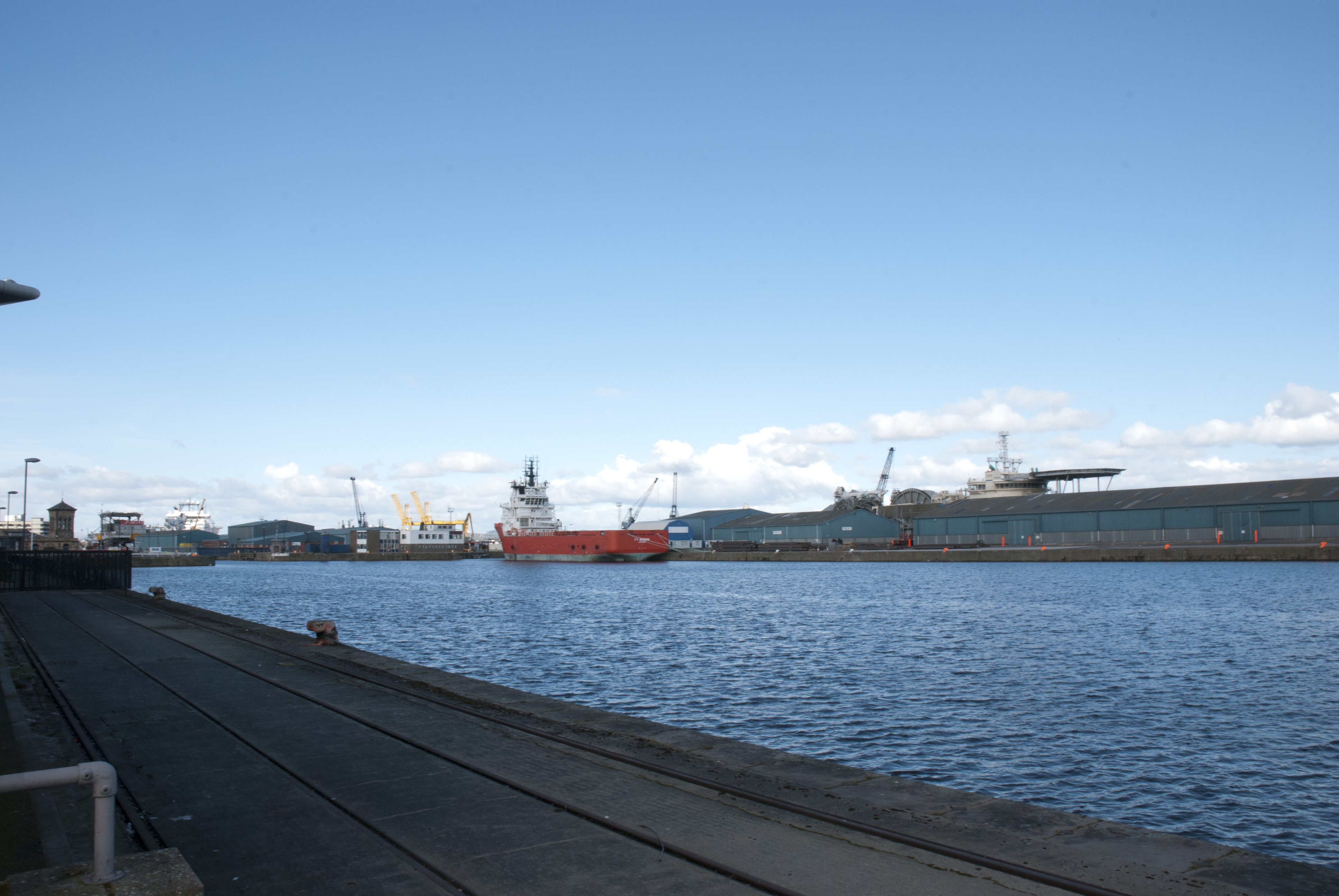
I wanted to capture the changes in Leith, which was a port town before being merged into the City of Edinburgh. The port of Leith was one of the industrial hearts of the city. The large ports and docks built, maintained and broke ships as well as handling cargo destined not only for the City but for locations to the north, south, east and west of the city. It was the first port of call for any immigrant to the area and provided many jobs on the docks and beyond for many residents. The area is now undergoing a large social change as buildings have been knocked down or repurposed for luxury housing, student housing, shops, malls, casinos and large-scale housing developments.

Visual Culture

Using landscape painting as a jumping off point for this assignment, I knew that I wanted to go to beyond the limitations of what I could see within the scene through the viewfinder. I felt that I could go outside the limitations of a 35mm frame by accepting that I could expand the visual canvas as the original landscape painters had done. With this in mind, I wanted at least a few of the scene to be stitched together from several images to provide a final image.

Images for Assignment 1.

Using my knowledge of the red filter for Black and White exposures, I wanted to get both the sky and the cityscape exposed properly together. After taking a light exposure reading, I set the camera to manual and chose the f-stop and the exposure speed which best suited the whole of the scene. After taking the images I then stitched the 7 exposures together in photoshop to produce the final scene.


Untitled_Panorama1BWredfilter

East Dock Entrance.


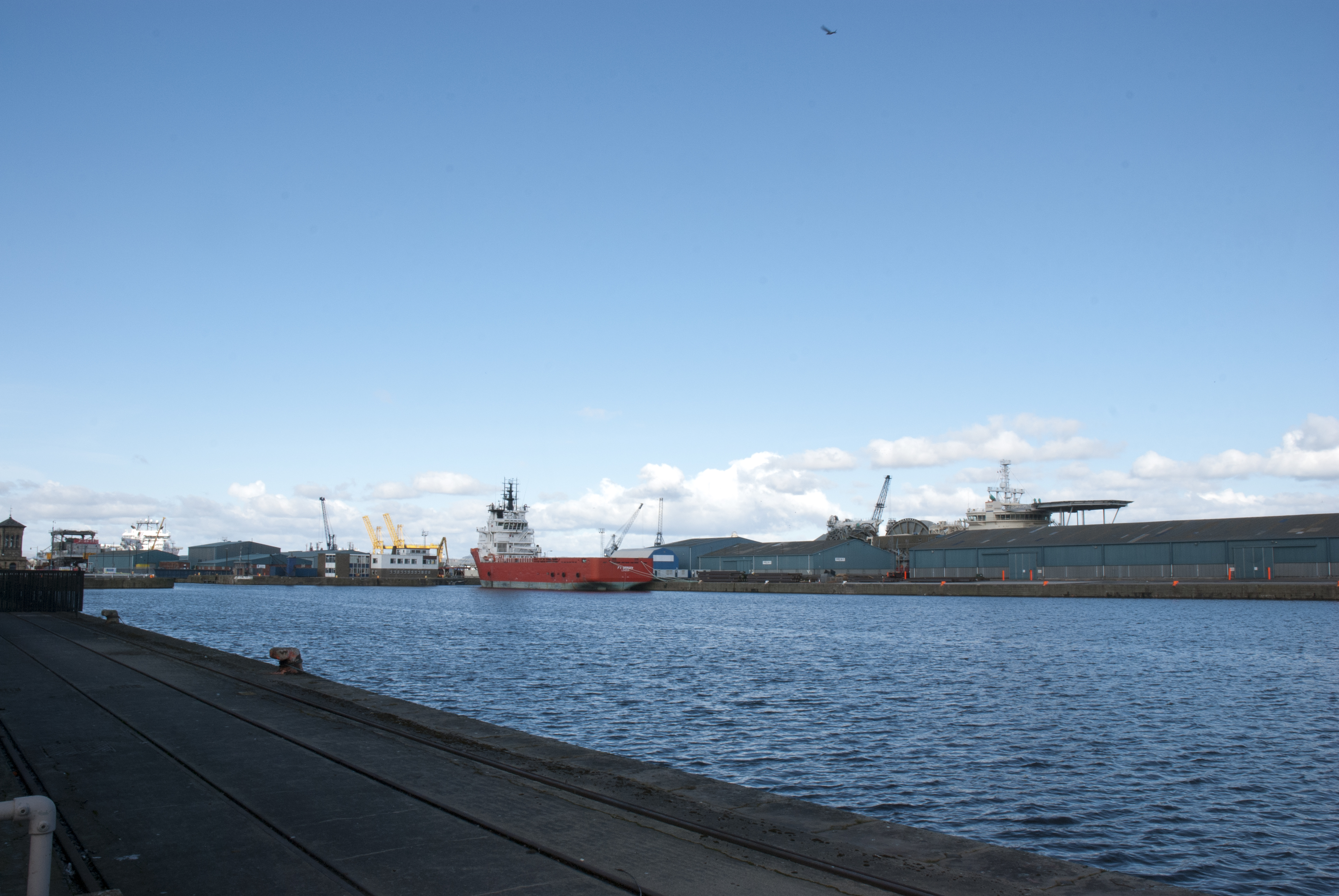
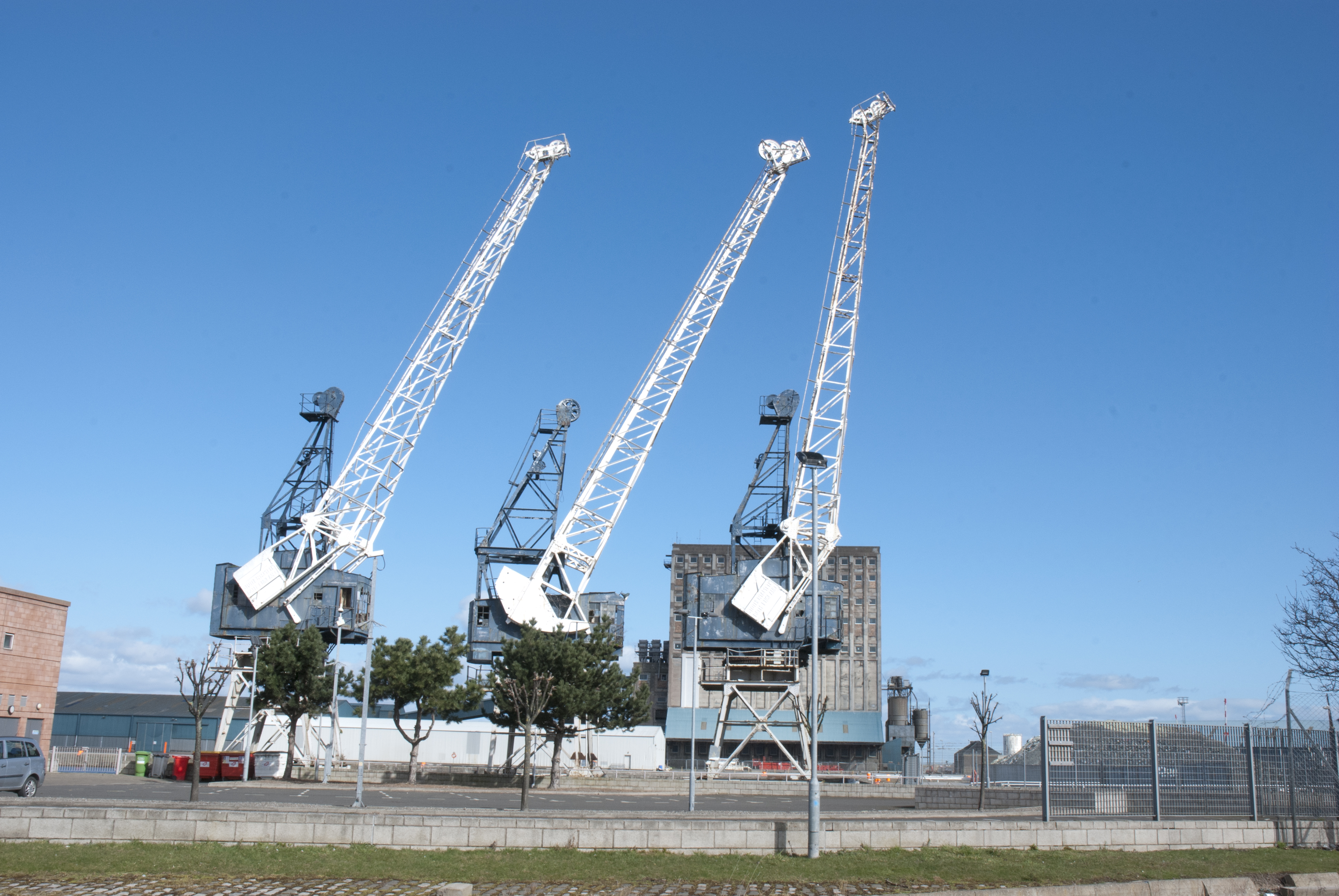
Entering the broken gates of the port, the gatehouse, longshoremen housing and storehouses are gone. Expensive housing has been built and a casino sited at a loading point. The cargo cranes are abandoned, unmaintained and rotting, providing housing for wild pigeons and gulls. Further expansion is planned as dockland is cleared awaiting the return of developers. 


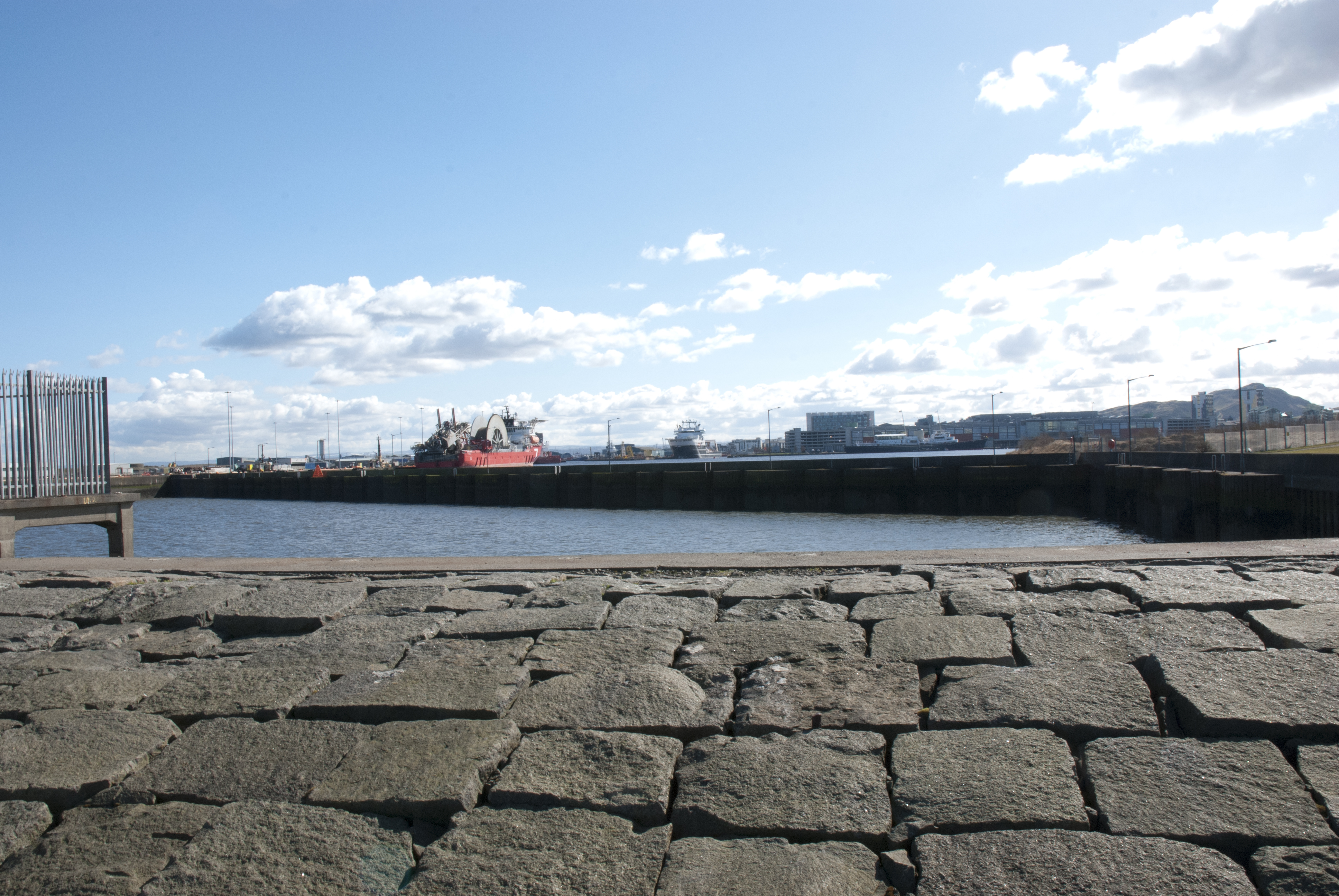
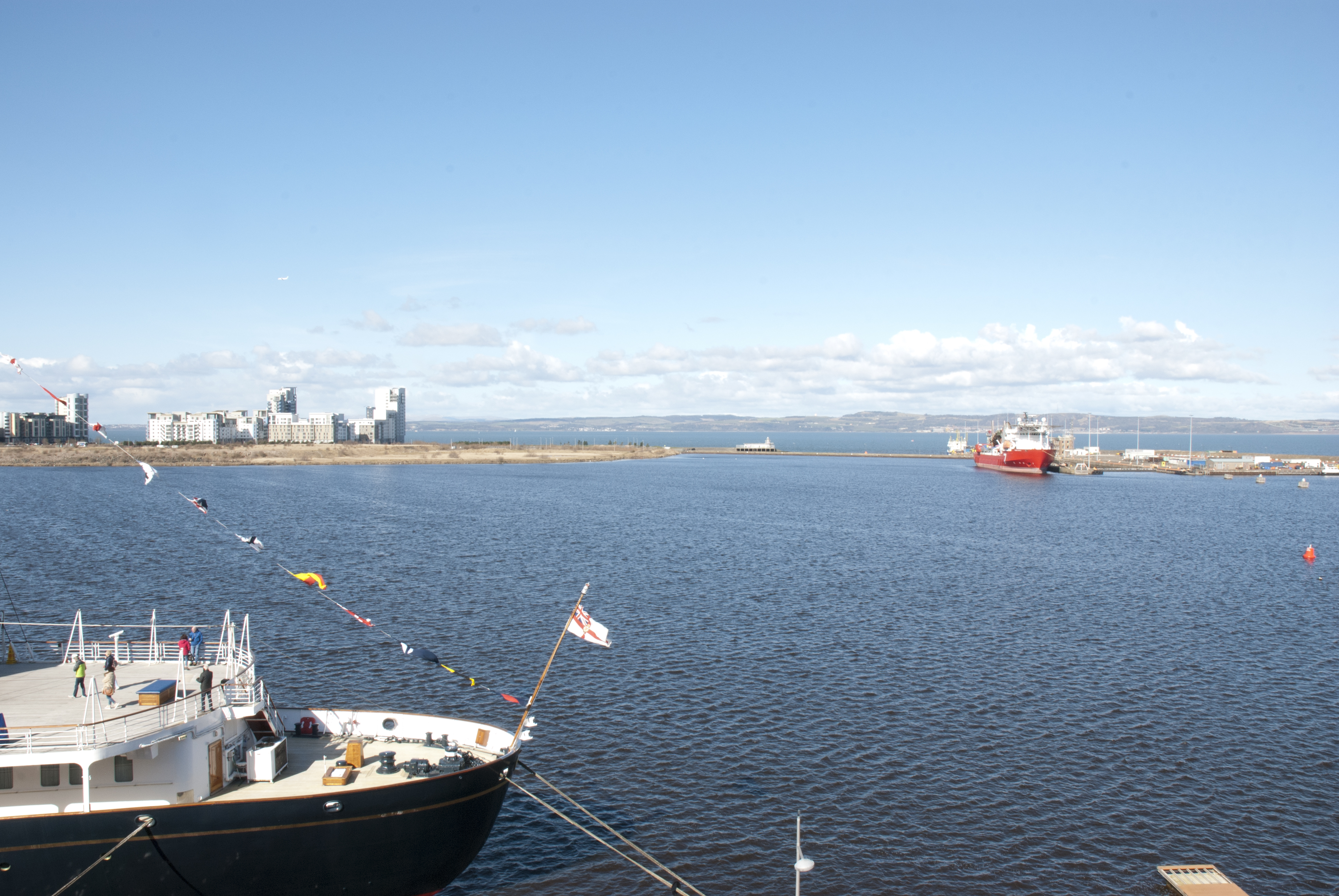
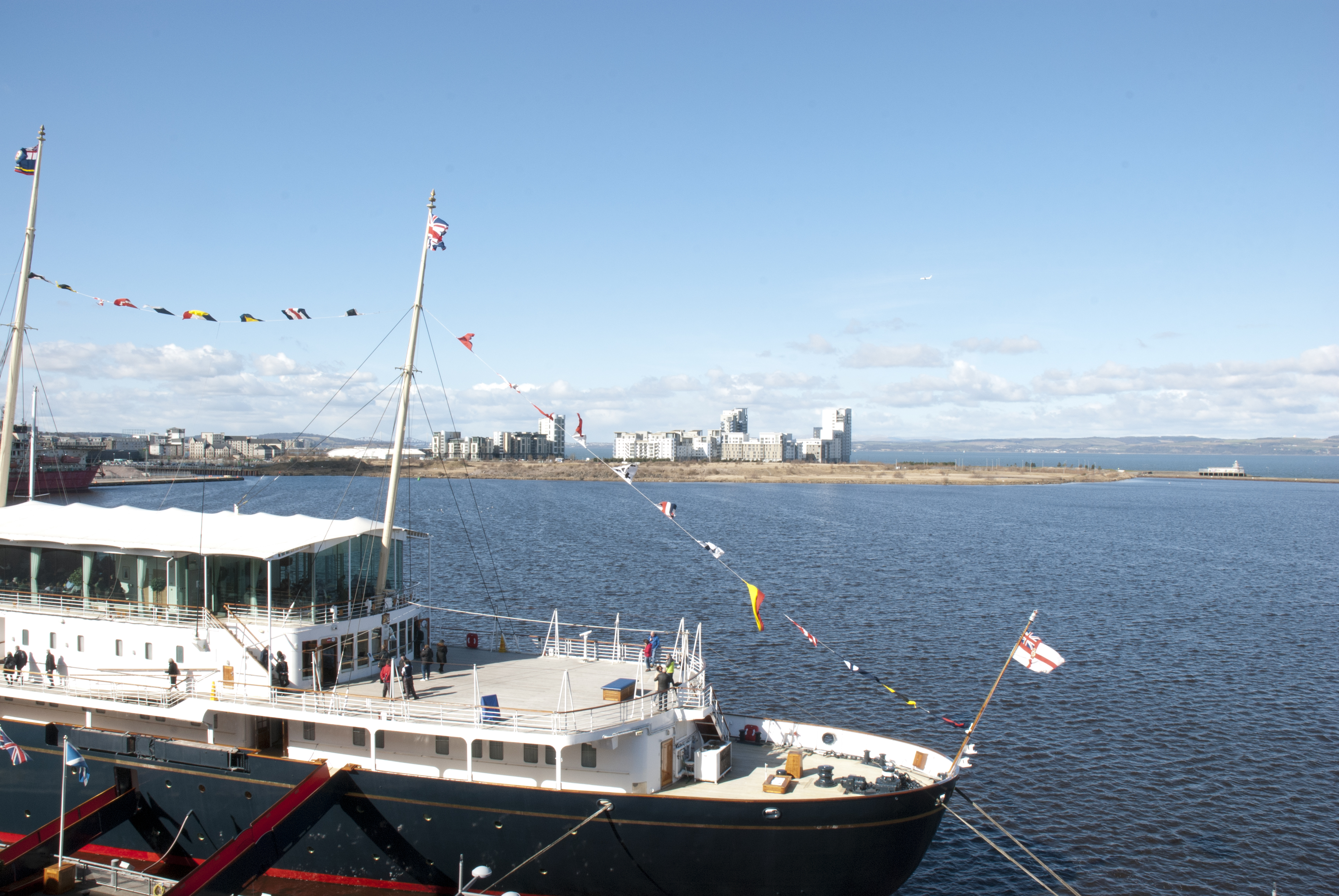
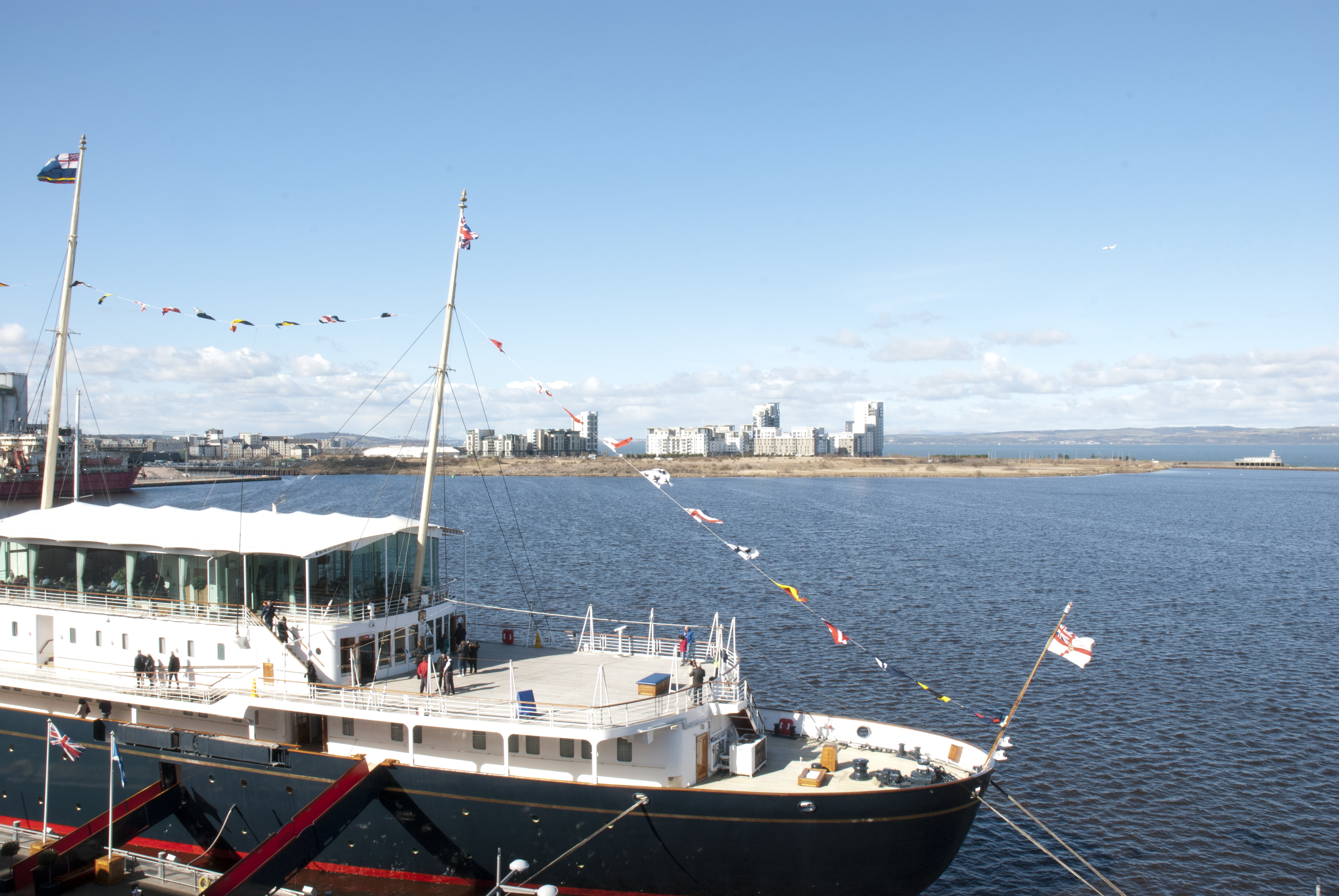
Sitting behind an expansive mall is the Royal Yacht Britannia, it rests in a berthing area where ships would have unloaded grain. Now visitors can view the recovered land where large-scale houses rapidly rise on ground made up of broken buildings and dirt. They can view the rotting spine of a loaders platform as it dissolves into the sea and view the refueling of cable laying ships and mobile oil and gas exploration ships. 


Untitled_Panorama2saturboostbW

Britannia to rotting docks.

I stitched together 9 images to make this panorama. I wanted to capture the wide expanse of the area as well as the emptiness of it.  


The central point of this image is around about the 500-foot mark of the original sea wall, meaning that originally I would have been 500 feet from real dry land. When it was built it was a berthing and rest area for local shipping. During a storm the entire dock area would fill with ships seeking protection from rough seas. The lighthouse would have been the beacon that many sailors would have been happy to see on a rough day 


Untitled_Panorama3BwRedfilter

Lighthouse to recovered land.


The lighthouse now lies empty, graffiti covered, its rooms, platform and the area underneath, between the supporting columns is an area for underage drinking and drug use. Stretching off into the distance is what is left of the ports and dry docks. The large mall and parking structure sits behind the royal yacht and nearly everything to the right is reclaimed land. Developers have pushed down the buildings and are slowly turning the land over to luxury housing. Many of the houses at Platinum point are beyond the reach of many locals who cannot afford the £265,000 for a 2-bedroom apartment. 


DSC_0094

Platinum point pool.


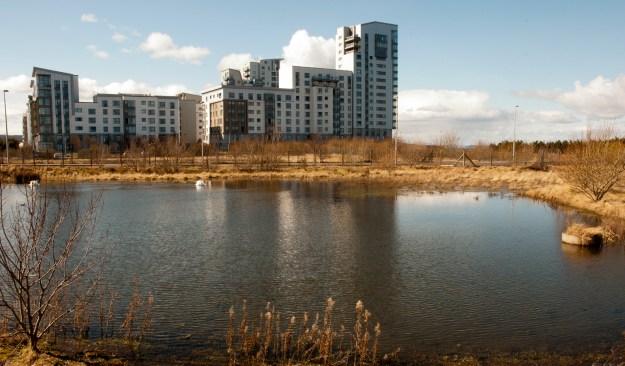
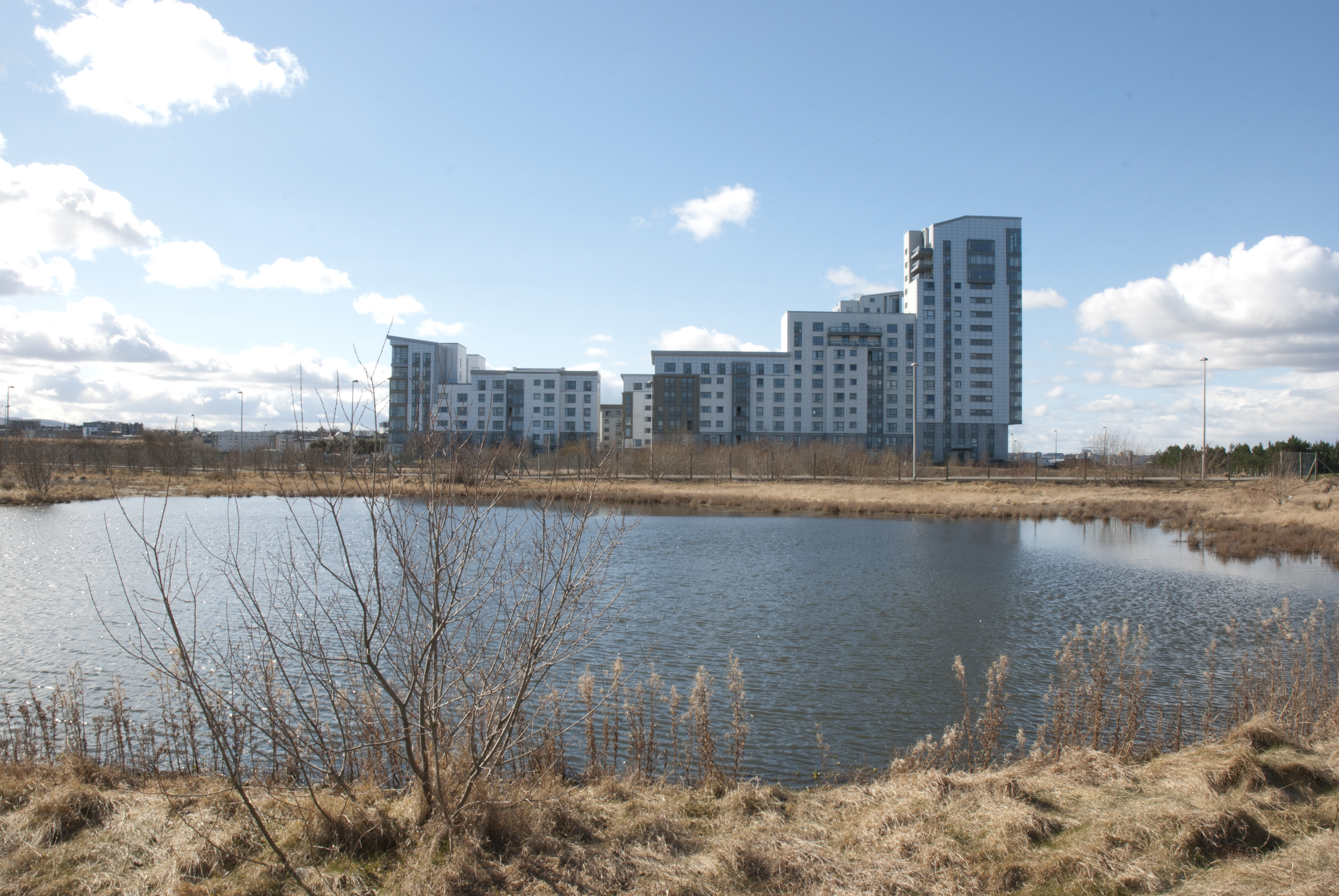
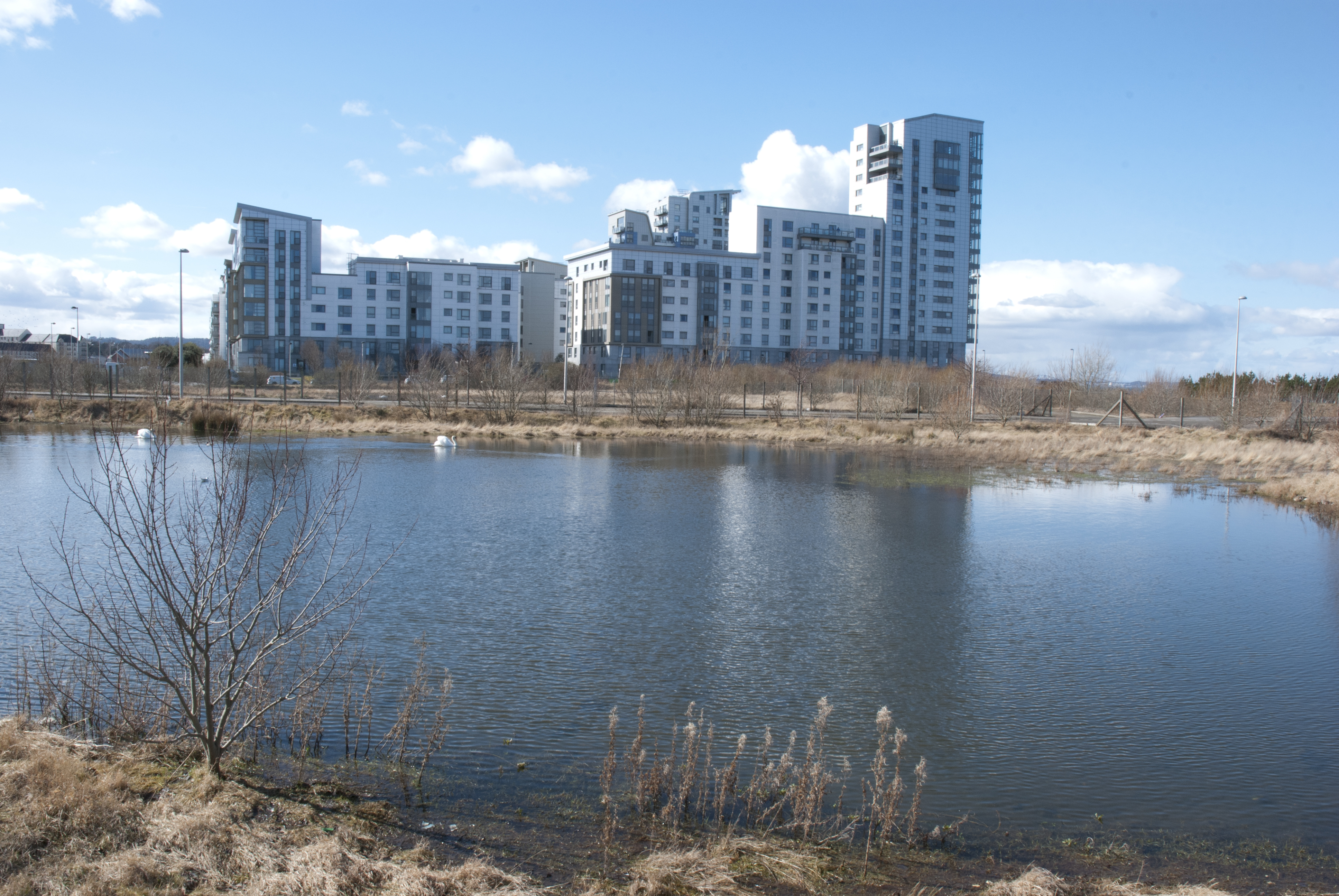
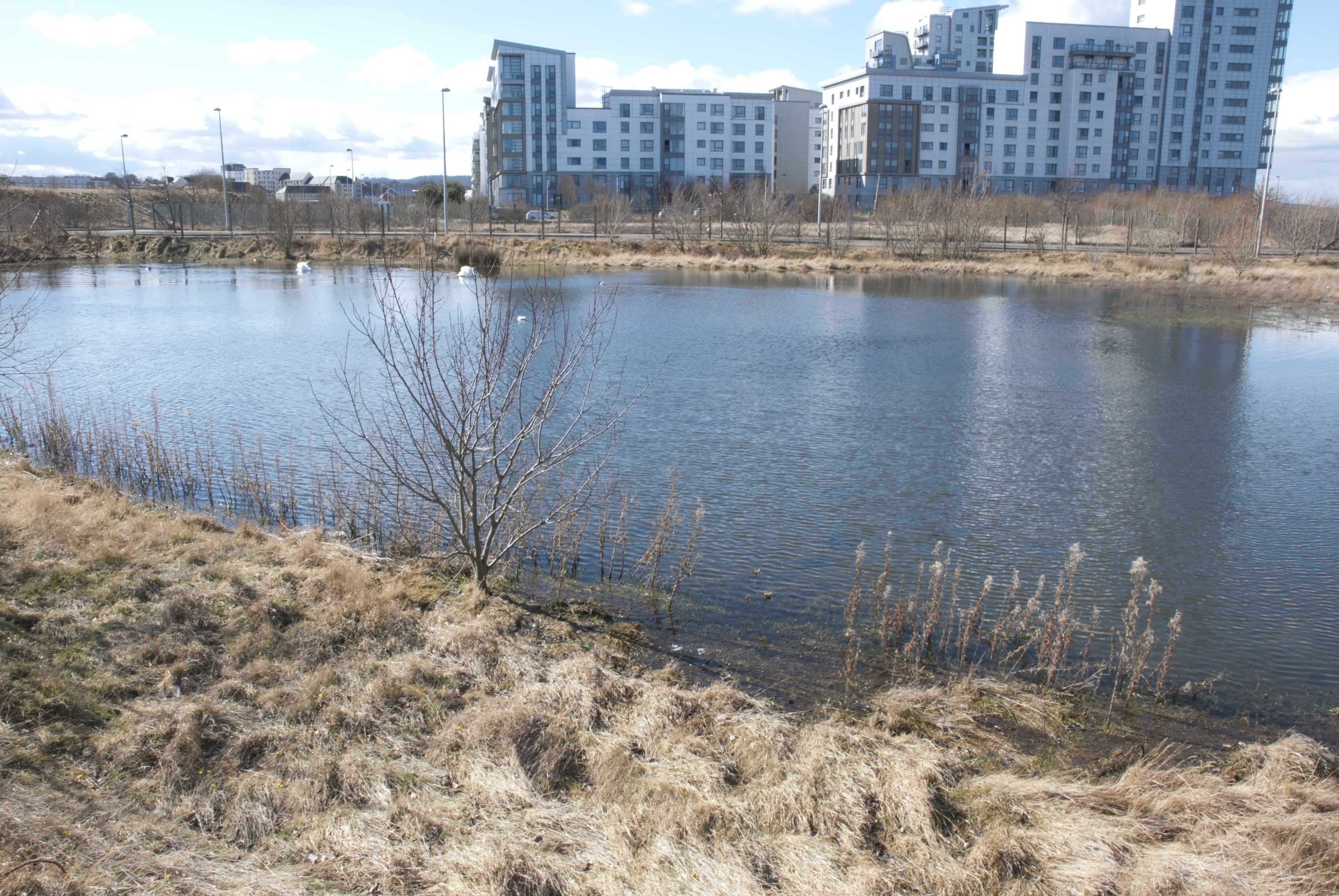
Due to the worldwide collapse of markets, the development of the area has stopped while the developers build on a smaller scale in other parts of the area. This has left the planned plots to fill as lagoon sites and the plots have become a housing for wildlife. It is only a matter of time before this pond it taken back by concrete and steel and the wildlife pushed further away. In the meantime, this plot reminds the apartment owners that their houses are built on nothing more than temporary land and at some point, the sea will reclaim it. 


DSC_0108satpull

Unused plot and road.


As already stated the developers have built amenities and infrastructure for houses which they have not yet built. Nature is trying to claim back the land, helped in part by residents who, having left, have dumped their patio plants onto the scrubland. These plants are beginning to take root and will potentially cause more problems in the future. Until then, the area is used by dog walkers, teen bike riders, and wanderers. 


DSC_0144Bw

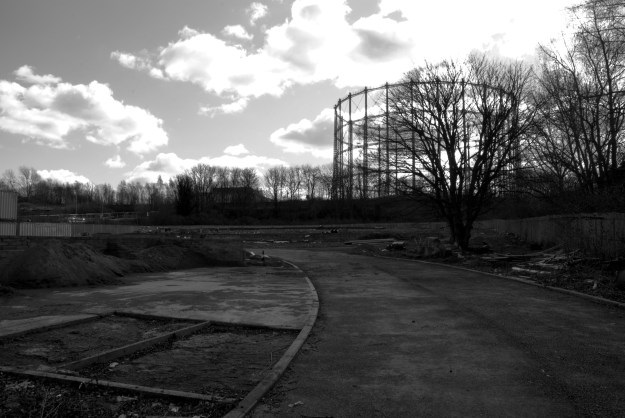
Behind the Gasworks.


The now unused gas tank dominates the skyline, it can be seen for miles. There used to be two such structures here before the first was taken down so that a small mall could be built as an amenities service for the local area. It is smaller areas like these that the developers have moved on to, throwing up student and luxury housing with the minimum of social housing within it. Until they start building the land lies unused, the skeletal remains of demolished buildings pointing out the last indications of local history.


Self-evaluation of the work

These images were not the ones that I originally planned for the assignment. I had planned on more Turneresque landscapes and it was only when I was in discussion with my Tutor prior to undertaking this Assignment that I changed direction and looked towards social politics through landscape.

I wanted to rekindle some of the social discourse that I had in my last course,  to examine what changes are happening during the gentrification of an area I knew well, along with documenting the rapid loss of local history as buildings are torn down in the rush to build houses that no one can afford.

Having decided on very wide landscapes I had to make my mind up on how I wanted to do it. I knew that I could not regiment the number of exposures needed as I would have to overlap and get in camera all of the landscape that I needed in one set.

Having no car and having to rely on a driver I had to plan the route carefully so that I would get everything I wanted in one day, otherwise, it could be two or three weeks before they were available again [and this would have up my course timetable completion into doubt].

I was pleased with the plan and although it was a difficult day I feel that I achieved what I set out to do.  While not all the landscapes stitched together I was able to fall back on some of the single images that I had taken which I felt also suited the series.

Contact Sheet.

Full contact sheet of images taken for this assignment.

Technical Choices

All of the images were taken either handheld or supported by a crutch used as an improved monopod. I decided to apply filters in post-production as I was interchanging lenses and the filters that I  have do not go up to 62mm. I chose Black and White for most of the images as I felt that they best represented the mood of the image. In a couple of the images I also boosted the saturation to see what happened with the colours but in most cases, single bright objects overtook the scene and pulled the eye away.


Visual Outcomes

The framings for these images are a response to the framings from paintings I have seen as part of this course. I wanted to get the scale of each scene, in such a way that at times the viewer is overpowered by the scale and may feel some vertigo as the image slips under their feet.

Over the day I made a number of images and through careful selection finally settled on the six that represent my interpretation of beauty and the sublime. In three of the images, I pushed my experimental boundaries to obtain a challenging series of images, where I have tried to define and express my emotions within the scene.

I tried to get both beauty and sublime within the same frame. Those that present my interpretation of the sublime were executed in a similar vein but I tried to continue the visual series with contrasting light and shadow.

I feel that they also have an uncertainty as they diversify from the weather conditions in which they were taken.

Reflection on assessment criteria

Overall, I am happy with this first assignment even with the personal challenges I had before, during and after the shoot. So far the coursework has guided me and encouraged me to undertake research into an area that I have not been exposed to much so far. It has given me some more creative ideas and techniques which I hope to carry on into the rest of the course.

References

Anon, 2010. The Sublime. (s.n.).

Roberts, R., 2011. Edgelands. Michael Symmons Roberts, Paul Farley. (s.n.).